

Wanneer agterdog en vertrouenskwessies in 'n verhouding opduik, wend baie mense hulle tot moeilike verhoudingsvrae eerder as direkte beskuldigings. Jy dink aan strikvrae om 'n bedrieër te vra, want 'n volskaalse konfrontasie is emosioneel moeilik. In plaas daarvan om jou maat reguit van bedrog te beskuldig, laat hierdie indirekte vrae jou toe om hul reaksies waar te neem en teenstrydighede of tekens van skuldgevoelens raak te sien.
Vinnige wegneemetes
Truukvrae is subtiele, indirekte vrae wat konsekwentheid, lyftaal en reaksies toets wanneer iemand dalk 'n affair wegsteek. 'n Paar truukvrae om 'n bedrieër te vra, is:
- "Vir wie het jy gisteraand 'n SMS gestuur?"
- "Het enigiets interessants vandag by die werk gebeur?"
- "Wat sou jy doen as iemand met jou flankeer?"
Hoe werk hierdie truukvrae?
INHOUDSOPGAWE
Sielkundig is baie geestelike gimnastiek nodig vir lieg. 'n Persoon wat gekul het, moet:
- Onderdruk die waarheid
- Vervaardig besonderhede
- En hou hul web van leuens dop
Verrassings- of ongewone vrae kan hulle onder druk plaas en foute veroorsaak. Hier is hoekom hierdie vrae effektief is:
- Geheuetoetsing: Om 'n vraag buite die teks te vra, dwing hulle om besonderhede te onthou. Leuenaars kan klein besonderhede vergeet of foute onder druk maak.
- Teenstrydighede raaksien: Wanneer 'n ontroue maat gedwing word om onverwags te antwoord, kan hulle 'n detail wat hulle voorheen gedeel het, weerspreek. Teenstrydige stories beteken dikwels dat hulle lieg.
- Liggaamstaal-leidrade: Nieverbale seine is ook 'n goeie aanduiding. Bedrieërs toon dikwels senuweeagtige lyftaal soos om te wikkel, te sweet, arms defensief te kruis of oogkontak te vermy.
- Emosionele reaksies: Skielike woede of verdediging wanneer 'n eenvoudige vraag gevra word, is 'n rooi vlagOormatig aggressiewe of buitengewoon sarkastiese antwoorde kan skuldgevoelens of 'n poging om agterdog af te weer, toon.
Deur hierdie strikvrae wat hulle onkant betrap, benut jy die ekstra geestelike inspanning wat nodig is om te lieg. Onder druk sal leuenaars waarskynlik struikel, hul storie verander of skuldige gedrag toon as hulle onkant betrap word.
'n Nasionaal verteenwoordigende Amerikaanse opname wat in 2023 deur die Survey Center on American Life gedoen is , het aan die lig gebring dat 46 persent van vroue en 34 persent van mans rapporteer dat 'n lewensmaat of eggenoot hulle al ooit bedrieg het.
Tekens dat jou maat dalk bedrieg
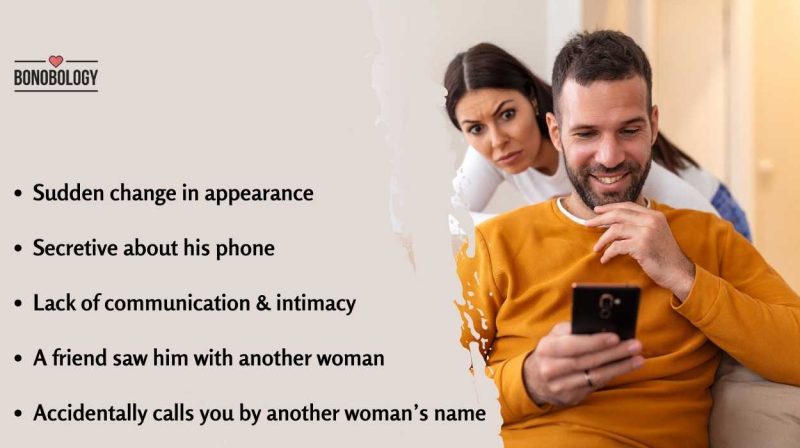
Jy sou hierdie strikvrae net aan jou maat vra as jy vermoed dat hulle ontrou is, reg? Hoe het jy in die eerste plek daardie vermoede gekry? Hier is 'n paar algemene rooi vlae van ontrouheid in verhoudings om voor op te let:
- Verhoogde geheimhouding met foon of rekenaar, insluitend die verwydering van tekste, geheime boodskappe, en versteek foonaktiwiteit
- Onverklaarbare afwesighede of laatbly by die werk
- Skielike veranderinge in roetine
- Emosionele afstand
- Buitengewone verdediging of prikkelbaarheid wanneer gevra word oor alledaagse besonderhede
- Surf op die internet op vreemde ure
- Skielik gee ek baie meer om oor privaatheid (skerms sluit, wagwoorde verander)
Alhoewel geeneen van hierdie alleen gewaarborgde bedrog beteken nie, is 'n kombinasie van hulle rede tot kommer. Moet dus nie te veel daaroor dink nie, maar moenie te naïef wees nie.
40 Truukvrae om 'n Bedrieër te vra
Kom ons kyk nou na die hoofkwessie. Hoe vang jy 'n bedrieër in hul eie leuen? Hier is 40 sorgvuldig opgestelde strikvrae om 'n bedrieër te vra, verdeel in kategorieë. Gebruik hulle subtiel in normale gesprekke om jou maat se reaksie te meet en teenstrydighede raak te sien.
Toevallige onskuldige vrae
Hierdie vrae klink onskadelik en alledaags, maar kan 'n bedrieër onkant betrap, aangesien dit vereis dat jou maat baie klein besonderhede moet onthou. Hierdie vrae pas ook natuurlik in 'n daaglikse gesprek sodat die bedrieër nie besef dat hulle verdink word nie.

- "Wat het jy vandag na werk gedoen?"
- "Saam met wie was jy gister by middagete?"
- "Waarom was jy so laat aanlyn gisteraand?"
- “Hoe was jou dag? Enigiets buitengewoons?”
- "Kan jy my deur jou aand van gisteraand lei?"
- “Ek het 'n teksboodskap van [vriend se naam] sien verskyn. Waaroor het dit gegaan?”
- "Wie is daardie nuwe kontak op jou foon onder net 'n voorletter?"
- "Enige interessante drome onlangs?"
Verwante Leesstof: Bedrog in 'n Langafstandverhouding – 18 Subtiele Tekens
Tydlynvrae
Hierdie vrae dwing hulle om tydsberekening en besonderhede te verduidelik, wat dikwels tot teenstrydige antwoorde lei as hulle al voorheen gelieg het.
- "Hoe laat presies het jy gister die kantoor verlaat?"
- "Wie was saam met jou toe jy gisteraand van die werk af weg is?"
- “Hoe laat het jy by die huis gekom? Ek het gedink ek het jou later oor die foon gehoor.”
- “Waarom het jou roetine Woensdag verander? Jy het baie later huis toe gekom.”
- “Toe ons laas oor Vrydag se planne gepraat het, het jy [A] gesê. Het iets opgekom?”
- “Ek het probeer om jou om 20:00 te bereik, maar dit het na stempos gegaan. Waar presies was jy?”
- “Jy het gesê jy sou teen 21:00 vry wees, maar jy was eers teen 22:00 by die huis. Wat het tussenin gebeur?”
- “Wanneer laas het jy [betrokke vriend/kollega] gesien? Is hulle gekoppel aan jou nuwe skedule?”
Verwante Leesstof: Die 7 Tipes Bedrieërs – En Hoekom Hulle Bedrieg
Sosiale media en telefoonvrae
Hierdie vrae fokus op die digitale spoor van 'n verhouding. Dit sal hulle waarskynlik defensief of kwaad laat raak as hulle iets wegsteek.

- “Ek het opgemerk dat [persoon] gisteraand van jou foto gehou het. Hoe ken jy hulle?”
- “Jou foon het vroeër van ’n onbekende nommer af gelui; wie was dit?”
- “Daar was ’n vreemde kontaknaam wat ek op jou foon gevind het. Kan jy my gerus vertel wie hulle is?”
- "Waarom het jy daardie boodskap uitgevee voordat ek dit gesien het?"
- "Is daar 'n rede waarom sekere gesprekke of groepklets op jou foon versteek is?"
- “Het jy [X] se storie op Instagram gesien? Jy het nie geantwoord nie”
- "Wie is die persoon in die profielfoto van [raaisel]" dating app of sosiale profiel wat jy gevind het]?”
- “Ek het gesien jy was middernag aktief op [sosiale toepassing]. Wat het toe gebeur?”
Verwante Leesstof: 17 Eienskappe van 'n Ontroue Vrou
Hipotetiese vrae
Hierdie hipotetiese vrae stel ontrouheid in 'n hipotetiese scenario. Hulle kan wys hoe jou maat oor ontrouheid dink of voel sonder om hulle te beskuldig.

- "As iemand by die werk gevoelens vir jou gehad het, sou jy my daarvan vertel?"
- "Wat sou jy doen as 'n kollega met jou begin flankeer?"
- "Dink jy emosionele ontrouheid tel? Soos om soms vir 'n eks te SMS?"
- “As ek skielik geheimsinnig begin optree, wat sou jy dink?”
- "Wat is van die dinge wat jy dink 'n persoon kan in die versoeking bring om te kul?"
- "Hoe sou jy reageer as ek jou vertel dat ek onseker voel oor ons verhouding?"
- “As jy ooit gekul het sonder om my te vertel, wat dink jy moet gebeur?”
- “Sal jy my ooit vergewe as ek jou vertroue verraai het?”
Verwante Leesstof: Kenner Lys 9 Gevolge van Bedrog in 'n Verhouding
Omgekeerde sielkunde vrae
Hierdie vrae is veral slim, aangesien hulle met vertroue lei of jou bekommernisse afspeel, wat jou maat aanspoor om 'n oordrewe verdedigende antwoord te gee.

- "Jy sou my vertel as iets regtig was verkeerd in die verhouding, nie waar nie? '
- “Alles is oukei tussen jou en [eks of vriend], nè?”
- “Jy voel nie die behoefte om enigiets vir my weg te steek nie, nè?”
- “Ek weet jy waardeer eerlikheid. So as ek vra of jy al ooit vir my gelieg het, sou jy eerlik wees?”
- “Jy het nog nooit aan kul gedink nie, nè?”
- “Ek vertrou jou volkome. Jy vertrou my net so, reg?”
- “Jy hoef nie jou foon vir my oop te maak as jy nie wil nie—is ons nog steeds op goeie voet?”
- “Jy sou nie wou hê ek moet die ergste van jou aanneem nie, nè?”
Verwante Leesstof: Hoe Bedrieërs Hul Spore Versteek — 15 Oogopenende Tekens
Hoe om hierdie vrae te vra sonder om 'n geveg te begin
Selfs versigtig geformuleerde strikvrae kan beskuldigend klink as dit kwaad, bot of onverwags gevra word. Jy moet die regte toon en tydsberekening vind as jy nie die saak wil eskaleer sonder om die volle waarheid te weet nie. Hier is 'n paar wenke oor hoe om hom met hierdie vrae te benader:
- Vind 'n privaat tyd wanneer julle albei relatief stresvry is
- Bly kalm
- Hou jou lyftaal oop om te verhoed dat jy verdedigend optree
- Praat in 'n neutrale toon
- En stel een vraag op 'n slag
- Moenie op verskeie vrae gelyktydig toeslaan soos 'n ondersoekende onderhoud nie.
- As jou maat wel defensief of ontsteld raak, bly kalm
- Moenie aanval of stel ultimatums in die hitte van die oomblik. Neem jou tyd om te besluit wat jy volgende wil doen
Watter reaksies om na te kyk
Met hierdie strikvrae kry jy dalk nie altyd 'n teenstrydige antwoord of 'n direkte bekentenis en jou 'aha'-oomblik nie. Wat meer waarskynlik sal gebeur, is dat hulle sal probeer om hul onskuld te regverdig of te bewys, maar hul lyftaal sal hulle verraai. Dus, wanneer jy hierdie vrae vra, hou jou maat fyn dop. Sekere reaksies kan baie veelseggend wees:
| Reaksie | Wat dit kan beteken |
| Oormatig defensief of kwaad | Dit kan die gevolg wees van skuldgevoelens of ongemak |
| Veranderende of teenstrydige storie | Dit dui daarop dat hulle nou dinge opmaak of vroeër gelieg het en die besonderhede vergeet het. |
| Vermy oogkontak | Dis 'n klassieke teken van senuweeagtigheid of ontwyking |
| Oormatige gefriemel | Dis angs; hulle steek iets weg en is bekommerd dat hulle betrap sal word. |
| Die vraag omdraai | 'n Algemene afleidingstaktiek; hulle probeer jou vraag aanval eerder om jou af te lei en te vermy om te antwoord |
| Vinnige gerusstellende leuens | Te veel lieflike woorde kan moontlik 'n oorkompensasie vir skuldgevoelens wees |
Wat om te doen as jy bedrog ontdek
As jou strikvrae bewyse van ontrouheid openbaar of jy seker voel, neem afgemete stappe eerder as om impulsief te reageer.
- Eerstens, versamel feite en bly kalm. Om sonder bewyse te konfronteer, werk dikwels teen.
- Kontroleer jou maat se antwoorde vir konsekwentheid en kyk of enige daarvan onwaar blyk te wees.
- Hou 'n duidelike rekord van wat gesê is
- Berei jouself vervolgens emosioneel voor; ontrouheid veroorsaak trauma, so maak seker dat jy ondersteuning van vriende, familie of selfs 'n berader het.
- Sodra jy vertroue in die feite het, konfronteer hulle en voer 'n ernstige gesprek.
Behou jou kalmte; beheer verloor kan jou status beïnvloed en hulle 'n oorhand gee.
- Besluit laastens oor die volgende stappe vir julle verhouding. Ontrouheid kan verskillende dinge vir verskillende paartjies beteken.
- Jou keuse sal afhang van die erns van die verraad en die bereidwilligheid van beide vennote om daaraan te werk.
- As jou maat berou toon en albei tot deursigtigheid verbind, sal sommige paartjies selfs herbou 'n sterker vertroue
- Maak egter seker dat jy jou eie welstand prioritiseer. Steun op vertroude vriende of 'n terapeut om die emosionele pyn te hanteer en jou te help om die beste besluit vir jou toekoms te neem.
Algemene foute wanneer jy probeer om 'n bedrieër te vang
Ons het al die verskillende aspekte van wat jy moet doen, gedek. Maar ons wil jou ook waarsku oor sommige van die algemene foute wat mense maak. Hierdie foute kan die situasie vererger, so jy moet probeer om dit te vermy.
- Beskuldiging sonder bewyse: As jy konfronteer met "Ek weet jy het gekul," kan jou maat afsluit of alles ontken. Kry dus eers soliede bewyse sodat hulle jou nie kan "gaslight" nie.
"Kry eers positiewe bewyse. Raadpleeg dan 'n prokureur. Skei dan julle bankrekeninge. Kry al julle eende op 'n ry VOORDAT julle hulle konfronteer."
- Reddit-gebruiker
- Sluip deur hul toestelle: Om 'n foon of e-pos sonder toestemming na te gaan, kan vertroue vernietig en selfs onwettig wees op sommige plekke. Dit kan ook niks bevestig as hulle reeds bewyse uitgevee het nie.
- Worstel met te veel vrae: Vinnige of vraende toon ontlok verdediging en kan hulle laat waaksaam wees. Pas jou vrae natuurlik aan.
- Te vinnig tot gevolgtrekkings spring: Reaksionêre stappe soos om jou slotte te verander, dadelik uit te trek, ens. kan kommunikasielyne sluit. Probeer eers kalm vra, en beplan dan die volgende stappe met duidelikheid. As jy egter in 'n beledigende verhouding en voel asof direk vra jou in gevaar kan stel, stel jou veiligheid eerste en doen wat reg voel
- Emosioneel of wraaksugtig raak: Skree, huil of wraak beplan, vererger net konflik. Dis pynlik, maar probeer om feitelik en kalm te bly sodat jy die regte besluite kan neem.
Deur hierdie algemene foute te vermy, handhaaf jy die morele hoë grond en hou jy die deur oop vir waarheid, bespreking of oplossing, eerder as om alles op te blaas.

Vrae & Antwoorde
Die mees onthullende vrae is oop vrae wat hulle onkant vang. Byvoorbeeld: “Waarom het jy gister later as gewoonlik by [plek] gebly?” of “Wie is [naam wat jy op hul foon gevind het]?” Hierdie kan teenstrydighede blootlê sonder om beskuldigend te klink.
Hulle kan sterk leidrade verskaf. Deur waar te neem hoe jou maat reageer, toets jy hul storie. As hulle defensief raak, 'n leuen vertel of hul storie op subtiele maniere verander, dui dit daarop dat hulle dalk iets wegsteek.
Bedrieërs raak dikwels verdedigend, kwaad of vermydend. Hulle mag jou terug aanval, alles kragtig ontken, of probeer om blaam af te weer. Sommige mag hulself selfs oorregverdig of dinge sê soos "Waarom doen jy dit?" om die beskuldiging om te keer.
Alhoewel elke situasie anders is, kan dit minder konfronterend wees om eers indirekte vrae te vra en jou inligting te gee. Direkte konfrontasie sonder bewyse kan hulle laat stilstaan of meer laat lieg. Gewoonlik is dit beter om sagkens in die gesprek in te skakel, soos een terapeut aanraai, deur jou gevoelens te deel en om eerlikheid te vra.
Bly kalm en luister. As hulle bely, oorweeg dit om paartjieberading of kundige advies te soek om daardeur te werk. Besluit met 'n helder kop of julle vertroue wil probeer herbou. Onthou, professionele persone merk op dat met moeite en eerlikheid, ongeveer 60-75% van paartjies wat hulp soek na 'n verhouding bymekaar bly.
Sleutelwysers
- Bedrieërs lieg dikwels om hul geheim te bewaar, maar dit vereis dat hulle baie klein besonderhede oor die leuen wat hulle vertel het, moet onthou.
- Om 'n bedrieër te vang, kan jy die verskoning wat hulle vir jou gee, dophou en hulle later ondervra om enige teenstrydighede op te spoor.
- Vra hierdie vrae op 'n kalm manier sodat hulle nie kan sien dat jy hulle vermoed nie.
- Let op hul lyftaal wanneer hulle antwoord en let op senuweeagtige tikkies.
Harde Gedagtes
Om bedrieg te word is hartverskeurend en as jy vermoed dat jou maat iets wegsteek, is ons jammer dat jy hierdeur gaan. Nie alle leuens beteken egter dat hulle bedrieg nie. Om jou vermoede te bevestig, het ons 'n lys vrae verskaf wat jy jou maat kan vra. Sodra jy seker genoeg is en genoeg bewyse het, bevestig dit direk en besluit hoe jy die situasie wil hanteer.
Jou bydrae vorm nie 'n liefdadigheidskenking nie . Dit sal Bonobology toelaat om voort te gaan om jou nuwe en opgedateerde inligting te bring in ons strewe om enigiemand in die wêreld te help om te leer hoe om enigiets te doen.














Geborg
Hoe om 'n ontroue man te vang: 'n Praktiese, Etiese Gids
19+ Mees gebruikte bedrogprogramme vir iPhone
11 Hartverskeurende Tekens Hy is mal oor sy symeisie
Wie kul meer—mans of vroue? Wat die data sê
11 Toepassings vir ontroue mans - Vang hom op heterdaad
Wanneer besef bedrieërs dat hulle 'n fout gemaak het? 10 scenario's
5 Beste Opsporingsprogramme vir Ontroue Egtegenoot (Android en iPhone)
Hoe om 'n bedrieër te vang wat alles uitvee: 12 truuks
33 Tekens van Mikro-bedrog — Is jou maat skuldig hieraan?
7 Terapeut-goedgekeurde dinge om te doen as jou kêrel jou bedrieg
11 Hartverskeurende Tekens Dat Jou Man Sy Affair-maat Mis
Moet jy 'n bedrieër vergewe? 8 faktore om te oorweeg
Hoe kan jy weet of jou verloofde jou bedrieg? 15 tekens om na op te let
Is die huwelik nooit weer dieselfde na ontrouheid nie?
13 Ongewone Tekens van Bedrog wat Mense Wens Hulle Het Nie Geïgnoreer Nie
15 Tekens van Selfoon-bedrog wat ontrouheid bevestig
Ingewandegevoel dat hy bedrieg, geen bewyse nie? 31 tekens dat jou instinkte reg is
Aapvertakking: Betekenis, Tekens en Maniere om te Hanteer
Pynlike Boodskap Aan 'n Ontroue Kêrel: 50 Briljante Idees
Is flirtasie bedrog? 9 redes daarvoor en 7 maniere waarop dit jou verhouding kan benadeel