

Therapy is often treated as a last resort for relationships in serious trouble. A couple may wait until arguments have become routine, trust has weakened, or emotional Distanz feels impossible to ignore before considering professional support.
Yet therapy can serve a very different purpose. Couples do not have to be in crisis to benefit from learning how to communicate, handle differences, and understand each other more clearly.
Many relationship difficulties begin quietly. A partner feels unheard during a conversation. A disagreement over money keeps resurfacing. Work pressures reduce quality time together. Neither person may see these moments as serious enough for counseling, but repeated patterns can gradually shape how partners relate to one another.
Seeking support early gives couples the chance to address those patterns while there is still plenty of goodwill to work with.
Therapy Can Help Couples Spot Patterns Earlier
Ee vun de gréisste Virdeeler vun Therapie is perspective. When two people are caught up in the same disagreement, it can become difficult to see the underlying pattern.
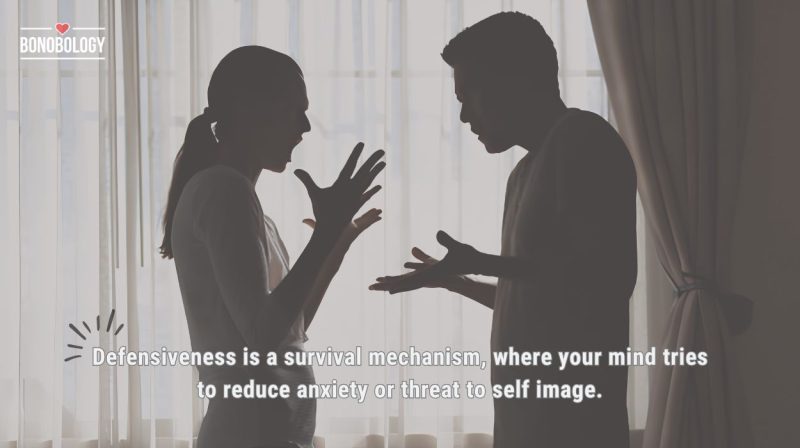
For example, one partner may raise a concern, while the other becomes defensive or withdraws. The first partner then pushes harder to be heard, which causes the second person to retreat even further. Before long, the couple is arguing about how they argue rather than solving the original concern.
A therapist can help identify these cycles and guide both partners toward a different response. The goal is not to decide who is right. It is to help each person understand what happens during tense moments and what could make those interactions healthier.
Getting help earlier may also make counseling feel less intimidating. Options such as affordable therapy can make professional support easier to fit into everyday life, rather than waiting until a relationship reaches a breaking point.
Early therapy can be especially useful when partners notice signs such as:
- The same disagreement keeps returning without resolution
- One or both people avoid difficult conversations
- Small frustrations quickly become personal criticism
- Partners make assumptions instead of asking what the other person means
- Work, parenting, finances, or family responsibilities are creating tension
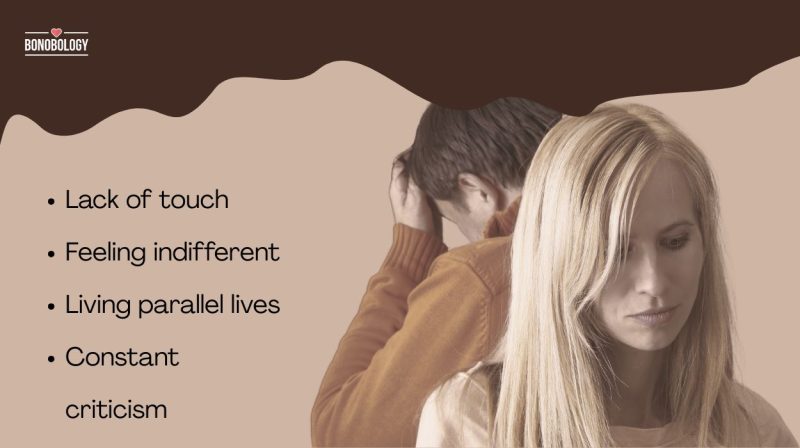
- Emotional or physical closeness has started to fade
None of these automatically means a relationship is failing. They can simply signal that the couple needs a better way to manage changing circumstances.
Strong Relationships Still Need Communication Skills
Love does not automatically teach people how to communicate.
Partners enter relationships with different family histories, expectations, coping habits, and ideas about conflict. One person may want to discuss a problem immediately. The other may need time alone before talking. Without understanding those differences, each response can feel like rejection or disrespect.
Therapy creates a structured setting where partners can slow down those interactions.
Instead of preparing a rebuttal while the other person speaks, couples can practice listening for the concern beneath the words. A complaint about household chores, for instance, may actually reflect a feeling of being unsupported. An argument about spending may involve fears about security, independence, or fairness.
Understanding the deeper issue can make a conversation far more productive.
Therapy may also help couples become more comfortable discussing subjects they usually avoid. Sex, money, parenting, boundaries with relatives, career goals, and plans can all create tension when expectations remain unspoken.
Talking about these areas before resentment builds gives both partners more room to negotiate and adjust.
Healthy conflict is another skill that can be developed. Disagreement itself is not necessarily harmful. What matters is how partners behave during it. Listening, staying respectful, pausing when emotions become overwhelming, and returning to the issue later can prevent a disagreement from becoming an attack.
The American Psychological Association advises couples to talk openly and notes that destructive behaviors such as yelling, personal criticism, or withdrawing during conflict can damage relationships. Constructive approaches focus instead on understanding each partner’s perspective and working toward a solution.

Build the Relationship Before It Needs Repair
Therapy does not have to mean that something is fundamentally wrong. It can be a form of relationship maintenance, much like making time for dates, discussing shared goals, or checking in about how each partner is feeling.
Couples may use therapy to prepare for marriage, adjust to living together, handle a major career change, become parents, blend families, or rethink responsibilities as life changes. Support during these transitions can help prevent stress from turning into resentment.
The most useful time to strengthen communication is often before partners feel disconnected from one another.
That does not mean every disagreement requires professional counseling. Couples will still solve many problems on their own. Therapy becomes worth considering when the same patterns repeatedly cause frustration, important conversations are being avoided, or partners simply want stronger tools for staying connected.
Starting sooner can also shift the purpose of therapy. Instead of spending every session trying to repair accumulated hurt, partners may have more space to learn about each other, strengthen existing habits, and prepare for challenges they have not faced yet.
A strong relationship is not one without conflict. It is one in which both people have ways to address conflict without losing sight of the connection underneath it. Therapy can help build those skills while the relationship is still on solid ground, giving couples more options when stressful moments eventually arrive.
7 Leit deelen Geschichte vu Bestietnes déi rau Patches iwwerlieft hunn
Äre Bäitrag stellt keng karitativ Donatioun duer . Et erlaabt Bonobology Iech weiderhin nei an aktuell Informatiounen ze liwweren, fir jiddwerengem op der Welt ze hëllefen, ze léieren, wéi een eppes mécht.











exzellent
Zeeche vu Manktem u Leidenschaft an enger Bezéiung: 15 kloer Indicateuren, déi Dir net ignoréiere sollt
Wéi een a Bezéiungen mat Defensiven ëmgeet: E Guide
Ech sinn 30 an hat ni eng Frëndin: Wat Dir falsch maacht
Imago-Therapie: Wat et ass, wéi et funktionéiert, Virdeeler a Berécksiichtegungen
Banksying am Dating: Wat et bedeit a wéi een et erkennt
Ginn ech ze séier weider no dem Doud vum Partner - Wéi entscheeden ech?
15 Zeeche vun engem Zesummekuck mat Ärem Ex
Wéi iwwer Vertrauensprobleemer ze kommen - En Therapeut deelt 9 Tipps
Léiert Wéi Dir Iech selwer verzeien Fir Een ze verletzen deen Dir gär hutt
Wéi fannt Dir Fridden nodeems Dir gefroot gouf - 9 Tipps vun engem Therapeut
Wéi een mat engem ontreie Mann ëmgeet
35 beonrouegend Unzeeche vun Gaslighting an enger Bezéiung
Wat ass narcissistesch Ghosting a wéi een dorop reagéiert
'Mäi Mann fänkt un ze kämpfen an da blaméiert mech': Weeër fir ze këmmeren
Wéi Dir Äert Liewen nom Doud vun engem Ehepartner erëm opbaut: 11 Expert-gestützte Tipps
Mäi Mann ass gestuerwen an ech wëll hien zréck: Mat Trauer këmmeren
"Sinn ech unlovable" - 9 Grënn Dir Iech esou fillt
11 Unzeeche datt Är Frëndin an der Vergaangenheet sexuell mëssbraucht gouf a wéi een hatt hëlleft
Mat Breakups këmmeren: D'Must-Have Breakup Apps Fir Ären Telefon
15 Zeeche vun Ärem Zäitverschwendung beim Versuch, Ären Ex zréckzekréien