
| Nøkkelfunksjoner |
| • Det finnes ingen korrekt tidslinje for dating etter en ektefelles død. Sorg er personlig, og beredskapen ser forskjellig ut for alle. |
| • Skyldfølelse over å date igjen er normalt, og det betyr ikke at du svikter din avdøde ektefelle. Kjærlighet og sorg kan eksistere side om side. |
| • Ditt første forhold etter at du ble enke/enkemann vil bringe unike utfordringer: sammenligning, identitetsendringer, frykt for sårbarhet og familiedynamikk. |
| • Ta det rolig. Tempoet bør være ditt, ikke bestemt av sosiale forventninger eller ensomhet. |
| • Profesjonell støtte som sorgrådgivning og terapi kan hjelpe deg med å bearbeide komplekse følelser før og under et nytt forhold. |
| • Barna dine trenger ærlig, alderstilpasset kommunikasjon. Følelsene deres betyr noe og fortjener plass ved siden av dine egne. |
En ektefelles død er et livsforandrende tilbakeslag som er vanskelig å overvinne. Minnene og smerten fortsetter å hjemsøke deg lenge, spesielt hvis det var et sterkt, langt og vakkert forhold som forandret verden din. Men med tiden, etter hvert som sorgen avtar, føler en kvinne eller mann som er alene behov for å ha en ledsager. Noen å dele et måltid med. Noen å ringe på slutten av en lang dag. Ensomheten, hvis vi skal være ærlige, er ofte den vanskeligste delen. Og mange bærer med seg bagasje fra tapet som kan komplisere hver nye forbindelse de prøver å danne.
Ditt første forhold etter at du ble enke/enkemann krever forsiktig håndtering, for selv når du er klar, bringer det å starte på nytt romantisk sett med seg nye utfordringer. Skyldfølelse sniker seg inn i uventede øyeblikk. Du lurer på om folk vil dømme deg. Du bekymrer deg for barnas reaksjon. Og et sted under alt dette ligger det en stille frykt: Hva om jeg ikke er i stand til dette lenger? Å være i kontakt med dine ekte, rå følelser er det første skrittet mot å bygge noe ekte.
Jeg har snakket med dusinvis av enker og enkemenn opp gjennom årene, og én ting slår meg alltid: nesten alle spør en eller annen versjon av: «Går jeg videre for fort etter ektefellens død?» eller «Hva er tegnene på at en enke er klar for å date?» Det finnes ingen riktige eller gale svar på disse spørsmålene. En god tommelfingerregel: når du føler deg klar, er du klar. Ikke føl deg presset til å begynne å date hvis du ikke vil, og samtidig, ikke utsett det av frykt for å bli dømt.
Denne guiden vil veilede deg gjennom alt: hvordan du vet at du er følelsesmessig forberedt, vanlige fallgruver, hva du bør og ikke bør gjøre basert på hva som faktisk fungerer, og hvordan du kan snakke med barna dine om dette nye kapittelet. La oss komme i gang med det.
Relatert lesning: Enker er også mennesker, og har behov
Å forstå sorg: Hvorfor det ikke finnes noen «riktig» tidslinje
Innholdsfortegnelse
Før vi snakker om dating, må vi snakke om sorg. Fordi de to er forbundet på måter som folk flest undervurderer. Elisabeth Kübler-Ross introduserte de fem stadiene av sorg – fornektelse, sinne, forhandling, depresjon, aksept – i boken sin fra 1969, On Death and Dying , og selv om modellen har blitt bredt tatt i bruk, er den også mye misforstått. Sorg beveger seg ikke i en rett linje. Du avslutter ikke «sinne» og går pent over i «forhandling». Noen dager føler du deg som deg selv igjen, og neste morgen sender en sang på radioen deg rett tilbake til start.
Nyere forskning favoriserer den doble prosessmodellen for sorg utviklet av Stroebe og Schut, som antyder at sunn sorg innebærer å veksle mellom å bearbeide smerten og å gjenoppbygge livet ditt, danne nye identiteter og engasjere seg i verden. Dating kan faktisk være en del av denne gjenopprettingsprosessen. Det betyr ikke at du har sluttet å sørge. Det betyr at du også lever.
Så har vi teorien om vedvarende bånd, som utfordrer den gamle ideen om at du må «gi slipp» på din avdøde ektefelle for å gå videre. Forskning publisert i tidsskriftet Death Studies viser at det å opprettholde en følelsesmessig forbindelse med en avdød ektefelle samtidig som man danner nye tilknytninger ikke bare er mulig, det kan være sunt. Du trenger ikke å slutte å elske mannen din for å elske noen ny. Hjertet er generøst på den måten.
Men hvis sorgen vedvarer intenst invalidiserende i 12 måneder eller mer, og du finner deg selv ute av stand til å fungere, ute av stand til å engasjere deg i dagliglivet eller ute av stand til å tenke på noe annet enn tapet ditt i godt over et år, er det verdt å vurdere å kontakte en terapeut som spesialiserer seg på sorgrådgivning, fordi ifølge DSM-% er det den kliniske terskelen for langvarig sorglidelse.
Relatert lesning: Går jeg videre for raskt etter ektefellens død – hvordan bestemme meg
Tegn på at enke eller enkemann er klar for date igjen
Hvordan vet du når du er klar? Jeg skulle ønske det fantes en sjekkliste du kunne krysse av. Det finnes ikke. Men det finnes mønstre jeg har lagt merke til blant folk som har bygd opp sunne nye forhold kontra de som hoppet inn for tidlig og endte opp med å skade seg selv eller noen andre.
1. Sorgen fortærer ikke lenger hele dagen din
Du tenker fortsatt på ektefellen din. Det vil du sannsynligvis alltid gjøre. Men det er forskjell på at sorg er en tilstedeværelse i livet ditt og at sorg er hele livet ditt. Hvis du kan komme deg gjennom de fleste dager uten å bli overveldet av sorg, hvis du sover rimelig godt, spiser, jobber og ser venner, er det et meningsfullt skifte. Det betyr ikke at du er «over det». Det betyr at du har gjort plass.
2. Du har lært å leve selvstendig

En av enkemennene jeg snakket med sa dette godt: «Jeg måtte finne ut hvem jeg var uten henne før jeg kunne finne ut hvem jeg ville være sammen med.» Hvis din primære motivasjon for dating er å fylle stillheten, er det verdt å undersøke. Ensomhet er reell og gyldig, men et forhold bygget på et tomrom har en tendens til å kollapse når den første komforten avtar. Når du har funnet litt stabilitet på egenhånd, bringer du noe ekte til bordet. Det blir lettere å lære å håndtere usikkerhet i et forhold når du allerede har bygget det indre ankeret.
3. Du har sluttet å sammenligne alle med din avdøde ektefelle
Dette er en viktig sak. Hvis du måler hver person du møter opp mot livet du hadde, kommer du til å bli skuffet. Ektefellen din var unik. Din neste partner vil også være det. Når du kan sette pris på noen for den de er, snarere enn den de ikke er, er det emosjonell beredskap.
Relatert lesning: Mannen min døde, og jeg vil ha ham tilbake: Å takle sorg
4. Du kan snakke om tapet ditt uten å falle fra hverandre
Å kunne dele minner om din avdøde ektefelle på en konstruktiv måte, uten å havne i dyp sorg, er en god indikator. Din nye partner vil ha spørsmål. De fortjener ærlige svar. Og du fortjener å kunne gi dem uten at det ødelegger kvelden din.
5. Fremtiden føles mulig, ikke truende
Når du kan forestille deg et liv fremover som inkluderer nye opplevelser, nytt kameratskap, kanskje til og med ny kjærlighet, og den tanken bringer nysgjerrighet i stedet for frykt, har noe endret seg. Du erstatter ikke det du hadde. Du åpner et nytt kapittel. Å forstå fasene i dating kan hjelpe deg å vite hva du kan forvente når du tar steget tilbake i det.
Relatert lesning: Hvordan gjenoppbygge livet ditt etter ektefellens død: 11 ekspertstøttede tips
Hvor lenge bør en enke vente før hun dater?
Det finnes ikke noe universelt riktig eller galt svar på dette spørsmålet. Hvert individ bearbeider sorg forskjellig, og tidslinjen for heling varierer. Mens noen kan føle seg klare til å date innen noen få måneder, kan andre ta år før de i det hele tatt vurderer et nytt forhold.
Abel Keogh, forfatter av «Dating a Widower» og selv en gjengift enkemann, begynte å date fem måneder etter konas død. Han har skrevet åpent om dommen han møtte og sin egen konklusjon: beredskap er personlig, ikke kronologisk. Noen av vennene hans syntes fem måneder var for tidlig. Han følte det var riktig for ham. Og etter eget utsagn angrer han ikke.

Det jeg har sett er at de som sliter mest ikke er de som datet «for tidlig» eller «for sent» etter andres standard. Det er de som lar ytre press styre avgjørelsen. Svigerforeldrene dine synes kanskje to år er passende. Bestevennen din synes kanskje seks måneder er greit. Ingen av dem lever livet ditt.
Når det er sagt, er det noen ærlige spørsmål det er verdt å tenke over: Dater jeg fordi jeg ønsker kontakt, eller fordi jeg ikke orker å være alene? Ser jeg denne nye personen som sin egen person, eller som en erstatning? Kan jeg gi følelsesmessig, eller trenger jeg bare å motta akkurat nå? Hvis svarene heller mot det siste i hvert tilfelle, kan mer tid hjelpe.
Relatert lesning: Er et andre ekteskap en ny sjanse?
9 ting du bør gjøre i ditt første forhold etter at du ble enke/enkemann
Når du bestemmer deg for å gå inn i datingarenaen eller endelig vil laste ned datingapper for enker , vær sikker på hva du ønsker deg ut av forholdet. Som nevnt ovenfor, kan du alene bestemme livets skjebne, og hvor tidlig du vil starte det avhenger helt av din tilstand. Når det er sagt, er det noen måter du kan gå inn i ditt første forhold på etter å ha blitt enke/enkemann:
1. Gå supersakte
Hvis det finnes ett godt råd til en kvinne eller mann som går inn i sitt første forhold etter å ha blitt enke/enkemann, så er det å ta det rolig. Akkurat som det ikke finnes et universelt svar på spørsmålet om hvor lenge du bør vente med dating etter å ha blitt enke/enkemann, avhenger tempoet du tar et nytt forhold videre i også utelukkende av deg. Det haster ikke. En person som virkelig bryr seg om deg vil forstå det. Trenger du mer veiledning? Her er vår fulle tolkning av å ta det rolig i et forhold.
2. Jobb med følelsene dine først
I den ene enden av spekteret søker noen enker/enkemennesker et intenst følelsesmessig bånd med en gang fordi de lengter etter det de mistet. I den andre enden søker noen fysisk intimitet uten forpliktelse, mer som et middel til å frigjøre oppdemmet ensomhet. Begge deler er forståelige reaksjoner på sorg, men begge kan være forvirrende for den andre personen hvis de ikke vet hvor de står.
For å unngå den slags rot i et nytt forhold, bør du jobbe deg gjennom den emosjonelle bagasjen før du begynner å date som enke. Søk hjelp fra en rådgiver for å forstå hvorfor du egentlig vil begynne å date og hvordan du føler om det på et bevisst og underbevisst nivå.
Relatert lesning: 12 tegn på at tidligere forhold påvirker ditt nåværende forhold
3. Start med blanke ark
Hvis du har bestemt deg for å sementere ditt første forhold etter at du ble enke/enkemann, bør du gjøre en spesiell innsats for å sikre at skyggen av ekteskapet ikke ødelegger det nye båndet. Hemmeligheten bak å lykkes med dating som enke er å starte med blanke ark. Dette betyr selvfølgelig ikke at du må slette minnene om din avdøde ektefelle. Gjør imidlertid en bevisst innsats for ikke å ta dem opp i annenhver samtale. Det kan være betryggende å finne en ny partner som har forståelse for sorgen din, men å snakke for mye om ektefellen din eller øyeblikkene dere delte sammen kan hemme det nye forholdet.
4. Vær åpen for nye sosiale sirkler

Når du begynner å date igjen, møter du én person, og gjennom dem, flere andre. I ditt tidligere ekteskap ville du og ektefellen din hatt felles venner. Dere vil få nye i dette nye forholdet. Vær åpen for den utvidelsen. Nye vennskap og sosiale sirkler er en del av det som gjør at det å starte på nytt føles mindre som et tap og mer som en ekte ny start.
5. Velg noen som forstår situasjonen din
Det er lettere å finne kjærligheten etter å ha blitt enke/enkemann når din nye partner forstår fortiden din og respekterer den. Hvis de er truet av minnet om din avdøde ektefelle eller avviser sorgen din, forteller det deg noe viktig om deres emosjonelle modenhet. Du ønsker noen som kan gi rom for historien din uten å føle seg redusert av den. Å bygge tillit i et forhold tar tid, og det krever den rette personen.
6. Ha «hva er vi»-samtalen tidlig
En ting jeg har lagt merke til blant enker som gjenopptar datingverdenen: de unngår noen ganger samtalen om å definere forholdet fordi alt føles skjørt. Men klarhet hjelper alle. Leter du etter selskap? Uformell dating? Noe som kan føre til gjengifte? Din nye partner fortjener å vite det, og det gjør du også. Åpenhet i et forhold er ikke valgfritt når to personer bygger noe nytt.
7. Stol på støtteapparatet ditt
Du trenger ikke å finne ut av dette alene. Venner, familie, en sorgstøttegruppe, en terapeut: bruk menneskene og ressursene rundt deg. Dating etter at du er blitt enke eller enke, kan vekke følelser du trodde du allerede hadde bearbeidet. Å ha noen å snakke med utenfor forholdet gjør en reell forskjell.
Relatert lesning: Jeg var enke og alenemor som 28-åring, inntil livet ga meg en ny sjanse
8. Gi deg selv tillatelse til å føle glede
Dette høres enkelt ut. Det er det ikke. Mange enker jeg har snakket med beskriver at de følte seg skyldige første gang de virkelig lo på en date, eller første gang de følte en gnist av tiltrekning. Tillat deg selv å nyte disse øyeblikkene. Din avdøde ektefelle, hvis de elsket deg, ville ønske at du skulle være lykkelig. Det er ikke en klisjé. Jeg tror virkelig på det. Å lære å være sårbar i et forhold igjen er en del av å tillate deg selv å føle den gleden.
9. Vurder profesjonell støtte
Sorgrådgivning eller sorgterapi kan være nyttig før og under et nytt forhold. En studie publisert i Journal of Consulting and Clinical Psychology fant at strukturerte sorgintervensjoner bidro til å redusere kompliserte sorgsymptomer og forbedret deltakernes evne til å danne nye emosjonelle bånd. Hvis følelsene dine føles sammenflettede, kan en trent terapeut hjelpe deg med å sortere dem. Bonobology tilbyr online rådgivning med erfarne forholdseksperter som kan støtte deg gjennom denne overgangen.
Relatert lesning: 11 eksperttips for å få et vellykket andre ekteskap
9 ting du ikke bør gjøre i ditt første forhold etter at du ble enke/enkemann
Som en som har begynt å date igjen etter et langt opphold og en betydelig mengde emosjonell bagasje, må du også være klar over de vanlige fallgruvene du må unngå i ditt første forhold etter at du har blitt enke/enkemann:
1. Ikke la skyldfølelse holde deg som gissel
Skyldfølelse er den vanligste følelsen jeg hører om fra folk som dater etter tap. Du føler at du er utro. Som om det å elske noen ny visker ut det du hadde. Det gjør det ikke. Teorien om fortsatte bånd, som vi diskuterte tidligere, bekrefter det mange enker og enker til slutt oppdager på egenhånd: du kan ha kjærlighet til din avdøde ektefelle og kjærlighet til en ny partner samtidig. De opptar forskjellige plasser i hjertet ditt.
Relatert lesning: Hvorfor jeg aldri vil date en enkemann igjen – En kvinnes historie
2. Ikke sammenlign din nye partner med din avdøde ektefelle
Dette kan ødelegge et nytt forhold raskere enn nesten noe annet. Din nye partner er en annen person med andre styrker, andre særegenheter, andre måter å vise kjærlighet på. I det øyeblikket du sier, eller til og med tenker: «Mannen min ville ha håndtert dette annerledes», er du urettferdig mot personen foran deg. Ta deg selv i å se dette skjer. Det vil skje. Bare ikke la det bli et mønster. For mer informasjon om hvorfor denne vanen er giftig, les artikkelen vår om hvorfor du bør slutte å sammenligne deg med partneren din.
3. Ikke bruk din nye partner som terapeut
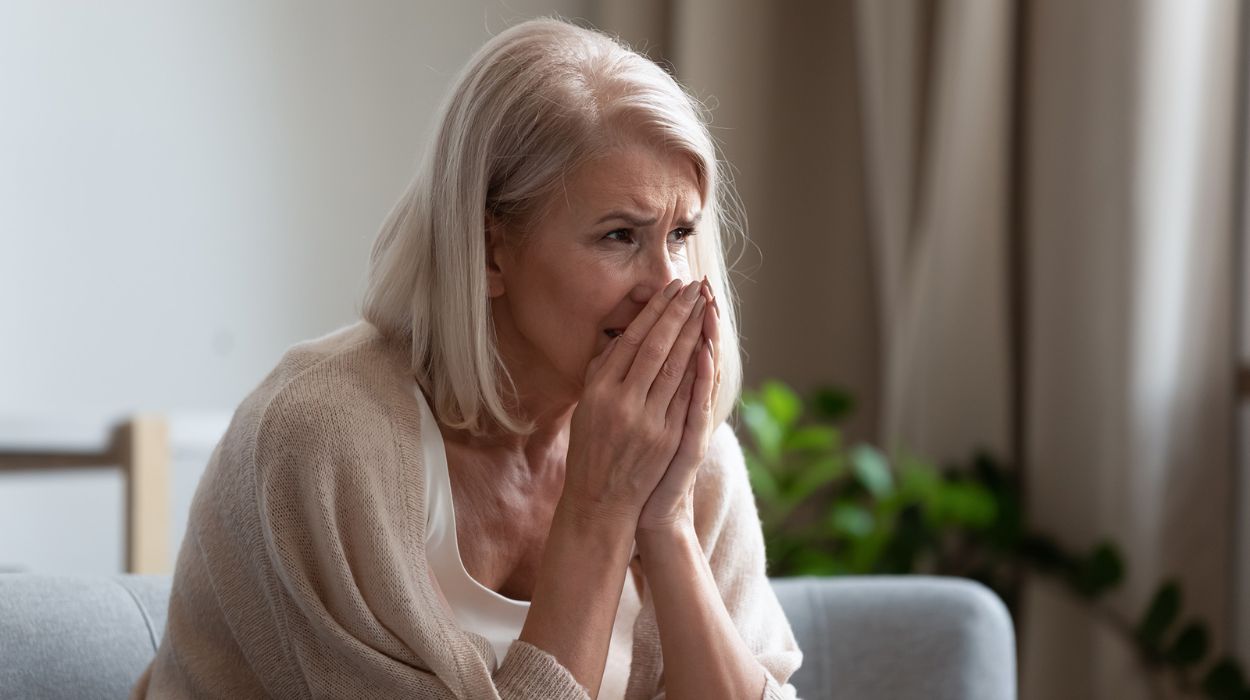
Din nye partner bør vite om tapet ditt. De bør være tålmodige med dine vanskelige dager. Men de bør ikke bli din sorgrådgiver. Hvis du opplever at hver samtale handler om din avdøde ektefelle, hvis stevnemøtene deres føles mer som terapitimer, er du kanskje ikke klar for et forhold ennå. Du må forstå hvordan sorg påvirker forhold og finne en måte å bearbeide disse rotete følelsene på før du tar et sprang.
4. Ikke forhaste deg med å forplikte deg på grunn av ensomhet
Ensomhet etter å ha mistet en ektefelle er dyp. Jeg forstår trangen til å fylle det tomrommet raskt. Men å forplikte seg til noen bare fordi de er der og er snille, er ikke et grunnlag for et varig forhold. Det er en oppskrift på å såre dere begge når den første trøsten forsvinner og du innser at dere ikke har mye til felles. Hvis ting føles som om de går for fort, kan du gjøre det slik at du bremser ned et forhold uten å avslutte det.
5. Ikke ignorer røde flagg fordi du er takknemlig for oppmerksomhet
Enker og enker, spesielt i de tidlige stadiene av å date igjen, tolererer noen ganger atferd de ikke ville ha akseptert før. De er takknemlige for at noen vil ha dem. De vil ikke være alene igjen. Jeg forstår det. Men dine standarder er viktige. Hvis noen er følelsesmessig utilgjengelig, kontrollerende eller avvisende overfor sorgen din, gå din vei. Du har allerede overlevd en av de vanskeligste tingene en person kan gå gjennom. Du trenger ikke å slå deg til ro. Se opp for tegn på tillitsproblemer hos deg selv og hos en potensiell partner.
6. Ikke skjul din status som enke/enkemann
Noen blir fristet til å bagatellisere eller unngå å nevne at de er enke/enkemann, spesielt på datingapper. Dette slår nesten alltid tilbake. Vær ærlig. Den rette personen vil ikke bli skremt av historien din. Og den som blir skremt var sannsynligvis ikke den rette personen.
Relatert lesning: Teori om første kjærlighet: Er det sant at menn aldri glemmer sin første?
7. Ikke la verden diktere tidslinjen din
Samfunnet har mange meninger om når enker/enkemenn bør date. Noen venner vil presse deg mot det for tidlig. Andre vil dømme deg for å gå videre i det hele tatt. Jeg har sett enker bli kritisert for å date etter seks måneder og enkemenn bli kritisert for å date etter to år. Den eneste meningen som betyr noe er din. Steng ute støyen.
8. Ikke glem din egen identitet
Etter flere tiår med å være noens ektefelle, er det lett å miste oversikten over hvem du er uavhengig. Før du blir noens partner igjen, bruk litt tid på å finne ut hva du egentlig vil ha ut av livet. Skaff deg hobbyer. Reis hvis du kan. Gjenopprett kontakten med gamle interesser. Jo mer forankret du er i din egen identitet, desto sunnere vil ditt neste forhold bli.
9. Ikke behold din avdøde ektefelles alter som midtpunktet i hjemmet ditt.
Jeg sier dette med respekt: det er viktig å hedre minnet om din avdøde ektefelle. Men hvis hjemmet ditt er et museum dedikert til ditt tidligere ekteskap, vil en ny partner føles som en besøkende, ikke en deltaker. En enkemann jeg snakket med, innså at han hadde fem innrammede bilder av sin avdøde kone i stuen og ingen andre steder. Han fjernet ikke alle. Han flyttet noen til et privat rom og gjorde plass til sitt nåværende liv. Den balansen er viktig.
Relatert lesing: 21 leksjoner jeg har lært av å date en enkemann
Vanlige utfordringer i ditt første forhold etter enkestanden
Selv når du er klar og har funnet noen som er snill, er visse utfordringer nesten uunngåelige. Å være oppmerksom på dem på forhånd hjelper deg å håndtere dem med mer ynde.
1. Identitetskrisen
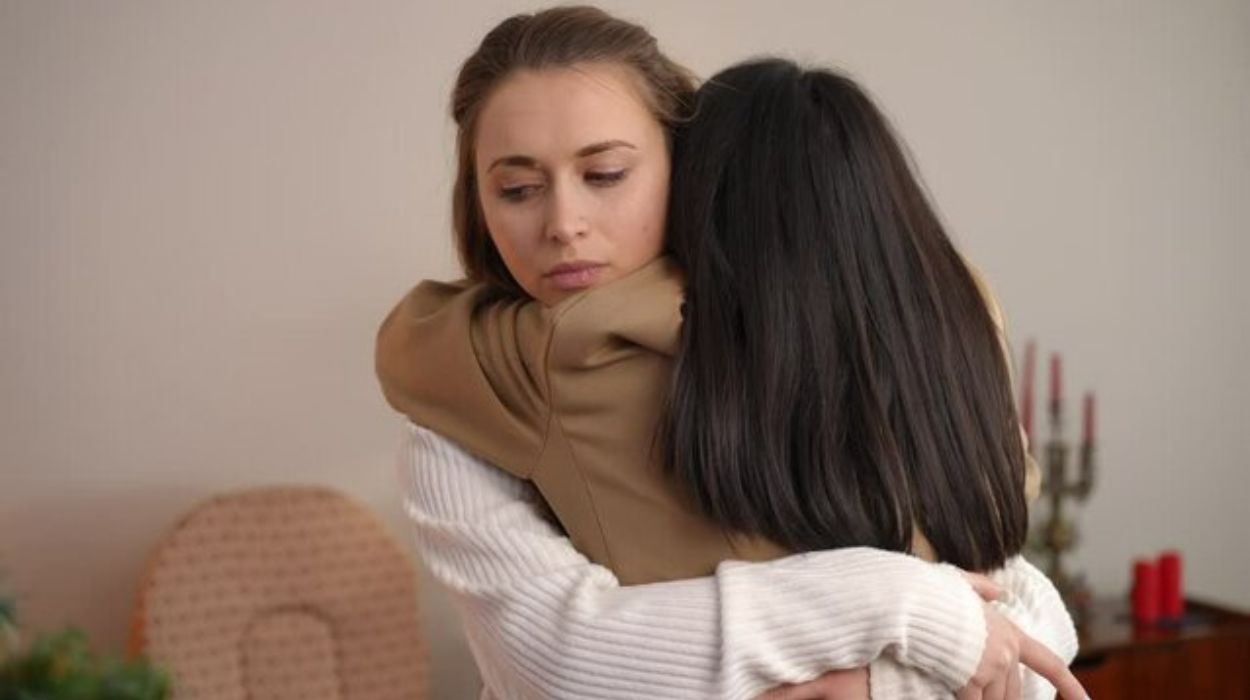
Du gikk fra å være gift til å være enke, til å være singel og date. Hver av disse overgangene forandrer hvordan du ser deg selv. Mange enker beskriver følelsen av at de ikke vet hvem de er lenger. Din selvoppfatning var vevd inn i ekteskapet ditt, og nå prøver du å finne ut hvem du er som individ, samtidig som du finner ut hvem du er som partner til noen ny. Det er mye identitetsarbeid som skjer på én gang. Vær tålmodig.
2. Emosjonelle triggere og merkedager
Din avdøde ektefelles bursdag. Bryllupsdagen din. Sangen som ble spilt i begravelsen deres. Disse triggerne forsvinner ikke fordi du er i et nytt forhold. En god partner vil forstå om du trenger litt tid på bestemte dager. Og du bør være ærlig nok til å fortelle dem når disse dagene kommer.
Relatert lesning: Kjæresten min sørger og skyver meg bort: Tips for å takle det
3. Frykt for fysisk intimitet
Det kan føles rart å være intim med noen nye etter år eller tiår med én person. Noen enker beskriver det som et svik. Andre sier det føltes som å være tenåring igjen, klossete og usikkert. Begge reaksjonene er normale. Gå i det tempoet som føles riktig, og kommuniser åpent med partneren din om hva du trenger.
4. Dom fra svigerfamilie og felles venner
Din avdøde ektefelles familie kan ha sterke følelser for at dere skal date igjen. Noen svigerforeldre er støttende. Andre føler seg forlatt eller erstattet. Felles venner kan velge side. Ingenting av dette er rettferdig, men det er vanlig. Der det er mulig, ha direkte samtaler med menneskene som betyr noe for deg. Der det ikke er mulig, aksepter at noen forhold kan endre seg. Du kan synes at artikkelen vår om hvordan du gjenoppbygger tillit i et forhold er nyttig for å navigere i disse dynamikkene.
«Å miste en ektefelle og velge å elske igjen krever et slags mot som folk flest ikke fullt ut setter pris på. Sorgen forsvinner ikke når en ny person kommer inn i livet ditt. Det som forandrer seg er forholdet ditt til sorgen. Den blir noe du bærer med deg i stedet for noe som bærer deg. Hvis du vurderer et nytt forhold, vær tålmodig med deg selv, vær ærlig med partneren din, og ikke la skyldfølelse frarøve deg sjansen til lykke.»
– Neelam Vats, rådgivningspsykolog og sorgrådgiver
Hvordan fortelle barna dine at du dater igjen etter tap
Hvis du er enke med barn, sørg for å engasjere dem når du inngår et forhold, for at det ikke skal oppstå komplikasjoner senere. Noen ganger kan barn være ganske motvillige og kan protestere mot at foreldrene deres ser en ny person etter at faren eller moren er død. Dette gjelder uansett alder. En femåring og en tjuefemåring kan begge slite med det, bare på forskjellige måter.
Det ville være best om du introduserer den nye partneren din for dem først etter at du er sikker på deg selv. Hvis du bare er i et rebound-forhold etter ektefellens død som en mestringsmekanisme, trenger du ikke å la barna være med på det. Men hvis en ny forbindelse har potensial til å bli noe meningsfullt, er en samtale berettiget.

La barna dine få vite om din ensomhet og ditt behov for selskap. Vær ærlig med dem. Ikke bagatellisere følelsene deres eller presse dem mot aksept. De sørger også, og de kan trenge tid til å bearbeide tanken på at deres gjenlevende forelder går videre romantisk.
Det vil kreve modenhet fra din side, så vel som partnerens side, å knytte et bånd med barna. En enke jeg snakket med ventet i åtte måneder inn i forholdet sitt før hun introduserte partneren sin for tenåringssønnene sine. Hun fortalte dem det over middagen, holdt det avslappet og gjorde det klart: «Ingen erstatter faren din. Dette handler om at jeg skal være lykkelig, og jeg vil at du skal vite om det.» Det gikk bedre enn hun forventet.
| Tips for å snakke med barn om det nye forholdet ditt |
| • Ha samtalen i rolige og private omgivelser. Ikke i bilen. Ikke på en familiesammenkomst. |
| • Vær alderstilpasset. Små barn trenger enkel beroligelse. Tenåringer trenger ærlighet og rom til å reagere. |
| • Understrek at ingen blir erstattet. Foreldrenes minne og rolle er trygg. |
| • Gi dem tillatelse til å føle hva de enn føler. Sinne, tristhet, forvirring og til og med glede er alle gyldige. |
| • Ikke tvang frem et forhold mellom barna dine og din nye partner. La det utvikle seg naturlig. |
| • Vurder familieterapi hvis følelsene er høye. En nøytral tredjepart kan hjelpe. |
Dating etter 50 og enke/enkemann: Spesielle hensyn
Hvis du mistet ektefellen din senere i livet, kan datinglandskapet føles fremmed. Sist du var singel, eksisterte ikke datingapper. Reglene har endret seg. Kroppen din har endret seg. Prioriteringene dine har absolutt endret seg.
Den gode nyheten? Folk over 50 kjenner seg selv bedre. Det er mindre sannsynlig at du kaster bort tid på noen som ikke har rett. Du vet hva som betyr noe for deg: vennlighet, kameratskap, humor, felles verdier. De overfladiske tingene veier mindre. Den klarheten er faktisk en fordel.
Noen praktiske tanker: nettdatingplattformer som OurTime , eHarmony og Hinge er verdt å utforske. De gir deg muligheten til å filtrere etter det som er viktig (alder, verdier, forholdsmål) og å slappe av i samtaler før du møtes personlig. Hvis ideen om en datingapp gjør deg ukomfortabel, bør du vurdere å starte med sosiale aktiviteter: bokklubber, frivillighetsgrupper, fellesskapskurs. Å møte noen gjennom en felles interesse tar litt av presset.
Relatert lesning: Hvordan min enkemor giftet seg med sin beste venninne
Minn deg selv på at alle på din alder har levd et fullverdig liv. Skilsmisse, omsorgsroller, tap, karriereomveltning: ingen over 50 kommer uten historie. Din enkestatus er en del av historien din, ikke en belastning. Den rette personen vil se det som bevis på din evne til dyp kjærlighet.
Relatert lesning: Gjengifte etter ektefellens død: En hjertevarmende kvinnes reise
Fra dating til gjengifte: Når ditt første forhold blir seriøst
På et tidspunkt kan det hende at det første forholdet etter at du ble enke/enkemann, krysser en terskel. Dere tilbringer mesteparten av tiden sammen. Familiene deres blir kjent med hverandre. Noen tar opp innflytting. Kanskje til og med ekteskap.
Det er her ting blir logistisk komplisert. Du må kanskje bestemme hva som skjer med hjemmet du delte med din avdøde ektefelle. Du må kanskje navigere i en blandet familiedynamikk hvis dere begge har barn. Økonomiske hensyn, arvsplanlegging og til og med noe så enkelt som hvem sine møbler skal hvor, kan bli ladede samtaler.
Ta alt steg for steg. Gjengifte etter en ektefelles død kan være en virkelig vakker ting. Men det krever ærlighet om hva hver av dere trenger, forventer og er villige til å inngå kompromisser på. Hvis din avdøde ektefelles familie fortsatt er en del av livet ditt, tenk på hvordan et gjengifte også vil påvirke disse forholdene.
Spørsmål og svar
Det finnes ingen fastsatt tidslinje. Noen føler seg klare etter seks måneder, andre trenger flere år. De viktigste indikatorene på beredskap er emosjonell stabilitet, evnen til å fungere selvstendig og et genuint ønske om tilknytning snarere enn et ønske om å unnslippe ensomhet. Ikke la andres meninger bestemme tidslinjen din.
Ja, skyldfølelse er en av de vanligste følelsene som rapporteres av folk som går inn i datingverdenen etter tap. Forskning på teorien om vedvarende bånd viser at det å elske noen ny ikke krever at du slutter å elske din avdøde ektefelle. Skyldfølelsen forsvinner vanligvis når du blir mer komfortabel med tanken på at hjertet ditt har plass til begge deler.
Viktige tegn inkluderer at du ikke lenger er oppslukt av daglig sorg, at du har bygget et stabilt og uavhengig liv, at du har sluttet å sammenligne alle med din avdøde ektefelle, at du kan snakke om tapet ditt uten å bli overveldet, og at du føler deg håpefull med tanke på fremtiden. Hvis de fleste av disse gir gjenklang, er du sannsynligvis i et godt posisjon til å utforske et nytt forhold.
Velg en rolig og privat setting. Vær ærlig og alderstilpasset. Forsikre dem om at ingen blir erstattet. Gi dem tillatelse til å føle hva de enn føler, inkludert sinne eller forvirring. Ikke introduser den nye partneren din før forholdet er etablert. Vurder familieterapi hvis barna dine sliter.
Ja, dette er noe av det viktigste å forstå om kjærlighet etter tap. Modellen med vedvarende bånd, støttet av forskning innen sorgpsykologi, viser at det er sunt og vanlig å opprettholde kjærligheten til en avdød partner mens man bygger et nytt forhold. Din nye partner er ikke en erstatning. De er et nytt kapittel.
Å forhaste seg med å forplikte seg for å unnslippe ensomhet. Når du bruker et nytt forhold primært til å fylle tomrommet ektefellen din har etterlatt, risikerer du å velge feil person, overvelde dem med sorg eller skape en usunn avhengighet. Å ta det rolig og bygge en ekte forbindelse basert på hvem dere begge er i dag, skaper et mye sterkere fundament.
Hvis du er den nye partneren til en enke eller enkemann, er tålmodighet viktig. Sammenligninger kan forekomme av og til, spesielt i starten. Det som betyr noe er om partneren din er klar over det og jobber med å se deg som din egen person. Hvis sammenligninger er konstante og sårende, er det behov for en ærlig samtale. Du fortjener å bli verdsatt for den du er.
Nettdating kan være et godt alternativ, spesielt hvis din sosiale sirkel er begrenset, eller hvis du ikke er komfortabel med å møte folk gjennom venner ennå. Plattformer som OurTime (for de over 50), eHarmony og Hinge lar deg sette ditt eget tempo og filtrere for kompatibilitet. Vær åpen i profilen din om å være enke/enkemann. De riktige matchene vil sette pris på ærligheten. Her er vår kuraterte liste over datingsider og apper for enker som kan hjelpe deg i gang.
Noen vil støtte deg. Andre vil ha meninger. Svigerforeldre kan føle seg beskyttende overfor barnets minne. Venner kan projisere sitt eget ubehag. Den mest effektive tilnærmingen er å være åpen om følelsene dine med de menneskene hvis meninger du verdsetter, og å gi slipp på resten. Du er ikke ansvarlig for å gjøre alle andre komfortable med dine valg.
Final Thoughts
Et forhold etter enkestanden kan fungere utmerket hvis du er villig til å gi det din kjærlighet og energi. Ja, dynamikken vil være annerledes enn tidligere, men følelsene forblir de samme. Ikke la frykt eller skyldfølelse komme i veien for ekte lykke. Du fortjener det. Din avdøde ektefelle, hvis de elsket deg høyt, ville ønsket det for deg.
Hvordan gi slipp på noen du elsker følelsesmessig: En terapeut gir råd
Ditt bidrag utgjør ikke en veldedig donasjon . Det vil gjøre det mulig for Bonobology å fortsette å gi deg ny og oppdatert informasjon i vår streben etter å hjelpe alle i verden med å lære hvordan man gjør hva som helst.