

Abwehrverhalten in Beziehungen entsteht, wenn man eine Beschwerde als Angriff auffasst und das Nervensystem sofort in den Selbstschutzmodus schaltet. Anstatt dem Partner zuzuhören, versucht man, das eigene Image, die eigenen Absichten oder die eigene Sicht der Dinge zu verteidigen. Deshalb artet das Gespräch schnell in gegenseitige Schuldzuweisungen, Ausreden und aneinander vorbeiredendes Gerede aus.
Diese Abwehrhaltung führt zu ungelösten Problemen, emotionalen Verletzungen und Groll, weil sich keiner von Ihnen gehört fühlt. Hilfreich ist es, die Gründe dafür zu verstehen und die Kommunikationslücken entsprechend zu schließen. Hier finden Sie eine umfassende Anleitung.
Abwehrverhalten in Beziehungen ist eine Selbstschutzreaktion, die auftritt, wenn man sich kritisiert oder angegriffen fühlt. Anstatt Konflikte zu lösen, verschärft sie diese jedoch. Oft äußert sie sich in Schuldzuweisungen, Ausreden oder Gegenangriffen. Der Schlüssel, dieses Muster zu durchbrechen, liegt in einfacher Achtsamkeit und einer kleinen Verhaltensänderung:
- Pause
- Übernehmen Sie Verantwortung für Ihren Teil
- Konzentriere dich darauf, deinen Partner zu verstehen, anstatt dich zu verteidigen.
Wie äußert sich Abwehrverhalten in Beziehungen?
Inhaltsverzeichnis
Abwehrverhalten ist ein Schutzmechanismus gegen jede Form von Kritik, da man diese als persönlichen Angriff und nicht als Feedback wahrnimmt. Um das Unbehagen zu beenden, tut man Folgendes:
- Erklären
- Rechtfertigen
- Korrekte Fakten
- Die Schuld wird umgedreht
- Oder machen Sie sich selbst zum Opfer
Das Problem ist, dass diese „Selbstschutzreaktion“ in der Regel wie eine Schuldzuweisung an die andere Person aussieht, selbst wenn man es nicht so meint.
Weiterführende Lektüre: Wenn sich eine Frau in einer Beziehung vernachlässigt fühlt | Was tun?
Ein hilfreicher Ansatz zum Verständnis von Beziehungsdefensivität besteht darin, sie als Überschneidung zwischen Psychologie und Physiologie zu betrachten:
- Psychologisch gesehen ähnelt es einem Abwehrmechanismus oder einer Ich-Abwehr, bei der der Geist versucht, Angst oder Bedrohungen des Selbstbildes zu reduzieren.
- Physiologisch gesehen ähnelt es oft einer Bedrohungsreaktion. Gehirn und Körper können bestimmte Momente in Beziehungen als „Gefahr“ einstufen und Stresssysteme aktivieren, die uns auf Kampf oder Flucht vorbereiten.
Wenn Sie sich in diesem Zustand befinden, umfasst defensive Kommunikation oft Folgendes:
- Kurze Unterbrechungen
- Strenge Faktenprüfung
- Lauterer Ton
- Or Herunterfahren
Beispiele für Abwehrverhalten
Wenn man in einer Beziehung defensiv reagiert, klingen die Worte meist wie Selbstverteidigung, wirken aber auf den Partner oft wie Zurückweisung. Solche Aussagen tauchen in Paarstreitigkeiten immer wieder auf :
- „Es ist nicht meine Schuld.“
- „Das machst du auch immer.“
- „Ich war beschäftigt, was erwartest du?“
- „So war es nicht. Du erinnerst dich falsch.“
- „Jetzt bin ich also der Bösewicht. Toll.“
- „Na gut, ich kann wohl nie etwas richtig machen.“
- „Warum greifst du mich an?“
- „Wenn du deinen Teil beigetragen hättest, wäre das kein Problem.“
Abwehrverhalten lässt sich auch an nonverbalen Signalen erkennen:
- Augenrollen
- Seufzen
- Schmunzelnd
- Weg drehen
- Oder ein knapper, sarkastischer Ton
Nonverbale Signale beeinflussen maßgeblich, wie Botschaften interpretiert werden, und können die Situation zusätzlich anheizen.
„Wenn man in die Defensive geht, setzt die Kampf-oder-Flucht-Reaktion ein, weil man sich angegriffen fühlt und der rationale Teil des Gehirns abgeschaltet wird.“
– Reddit-Benutzer
Anzeichen von Abwehrverhalten in einer Beziehung
Defensives Verhalten in Beziehungen lässt sich meist leicht erkennen, wenn man weiß, worauf man achten muss. Es folgt oft einem Muster, bei dem der Fokus vom Verstehen des Problems auf den Selbstschutz verlagert wird. Anstatt sich mit den Gefühlen des Partners auseinanderzusetzen, schaltet man in einen Selbstschutzmodus. Man merkt es im Moment vielleicht gar nicht, aber die Reaktionen klingen zunehmend eintönig und fast automatisch.
Man kann oft beobachten, dass mehrere dieser Verhaltensweisen gleichzeitig auftreten, insbesondere in Konfliktsituationen:
- Den Partner für die eigenen Handlungen oder Gefühle verantwortlich machen
- Ausreden erfinden, um der Verantwortung zu entgehen
- Gegenangriff oder Schuldzuweisung
- Verantwortung ablehnen oder die eigene Rolle herunterspielen
- Sich als unschuldiges Opfer darstellen, damit die andere Person nachgibt.
- Streit über Fakten und Details, anstatt das emotionale Problem anzugehen
- Sie unterbrechen und sammeln Beweise, so als würden Sie vor Gericht einen Fall aufbauen.
- Abschalten, Verlassen oder emotionale Blockaden wenn überwältigt

Warum verhält sich ein Partner defensiv?
Im Kern ist Abwehrverhalten in Beziehungen das Ergebnis von Missverständnissen bezüglich der Bedeutung von Worten oder mangelhafter Kommunikation. Ein Partner spricht ein Problem an, aber Ihr Gehirn interpretiert es als etwas Härteres:
- Aus „Ich habe eine Sorge“ wird „Du enttäuschst mich“.
- Aus „Das hat mich verletzt“ wird „Du bist ein schlechter Mensch“.
- Aus „Können wir darüber reden?“ wird „Du wirst gleich bloßgestellt“.
Sobald man sich angegriffen fühlt, schnellt die emotionale Reaktivität in die Höhe und defensive Kommunikationsmuster werden automatisch aktiviert.
Weiterführende Lektüre: Was tun, wenn Sie sich von Ihrem Partner entfremdet fühlen?
1. Sich angegriffen oder kritisiert fühlen
Kritik ist einer der häufigsten Auslöser von Konflikten. Wird ein Thema harsch und anklagend angesprochen, ist Abwehr eine gängige Reaktion. Um Abwehrreaktionen zu reduzieren, sollte man nicht nur an der Person arbeiten, die sich verteidigt. Man kann auch die wahrgenommene Kritik verringern, indem man die Art und Weise, wie Themen angesprochen werden, verändert. Deshalb sind ein sanfter Einstieg und die Formulierung „Ich fühle“ so wichtig.
„Bei diesem ehezerstörenden Kommunikationsmuster tragen beide Seiten Verantwortung. Der Sprecher ist schuld, weil er das Thema auf eine ungesunde, kritische Weise angesprochen hat, und der Zuhörer ist schuld, weil er defensiv reagiert und seine Verantwortung für seinen Anteil am Problem ablehnt.“
– TyaCamellia Stone, lizenzierte Ehe- und Familientherapeutin
2. Das Selbstwertgefühl schützen
Ein gewisses Abwehrverhalten ist im Grunde eine Art Selbstwert-Notfallmaßnahme. Man versucht, Scham zu vermeiden. Einzugestehen, einen Fehler gemacht zu haben, kann das Selbstwertgefühl beeinträchtigen, selbst wenn der Partner es nicht so gemeint hat.
Hierbei helfen kleine Gesten der emotionalen Sicherheit , wie zum Beispiel gegenseitige Wertschätzung.
- Wenn man sich wertgeschätzt fühlt, kann gelegentliche Kritik das Selbstwertgefühl nicht erschüttern.
- Wenn man sich ständig bewertet fühlt, verteidigt man sich stärker.
Weiterführende Lektüre: 7 Scheidungsindikatoren, die Sie kennen sollten
3. Bewältigungsmuster in der Kindheit
Wie viele Unsicherheiten und Warnsignale kann auch Abwehrverhalten auf ein Kindheitstrauma zurückzuführen sein. Wenn dich dieses Verhalten in deiner Kindheit vor Schwierigkeiten, Chaos oder emotionalem Schmerz geschützt hat, ist es kein Wunder, dass du als Erwachsener krampfhaft daran festhältst. Du fürchtest, dass dein Partner dich aufgrund deiner Fehler nicht mehr liebt oder verlässt, und dies ist der einzige Bewältigungsmechanismus, den du kennst.
„Ich fühle mich unsicher, weil ich Angst vor dem Verlassenwerden habe. Ich mache mir Sorgen, dass meine Absichten falsch interpretiert werden könnten, deshalb verspüre ich das Bedürfnis, mich zu verteidigen, um nicht zurückgelassen zu werden.“
- Reddit-Benutzer
Wie Abwehrverhalten Beziehungen schadet
Das Problem ist, dass Abwehrverhalten in Beziehungen zwar vor Unannehmlichkeiten schützt, aber genau jene Verhaltensweisen verhindert, die Vertrauen aufbauen: Verantwortungsbewusstsein, Empathie, Wiedergutmachung und Problemlösung . Kurzfristig mag es also vorteilhaft erscheinen, doch langfristig schadet Abwehrverhalten der Beziehung. Betrachten wir es als Ursache-Wirkungs-Kette:
- Wenn man in die Defensive geht, eskaliert der Konflikt, anstatt gelöst zu werden.
- Abwehrverhalten führt tendenziell zu mehr Intensität beim Gegenüber, weil sich dieser ignoriert oder beschuldigt fühlt.
- „Sich selbst zu verteidigen“ schlägt oft in „dem Partner die Schuld zuzuschieben“ um, und der Streit eskaliert.
- Nun rückt die Auseinandersetzung in den Mittelpunkt, und die eigentlichen Probleme werden vernachlässigt und ignoriert.
- Dadurch entstehen emotionale Wunden und der Groll wächst mit jedem Streit.
- Das ist der Kernschaden: Das Problem wird nie angegangen, und die Beziehung leidet trotzdem.
- Wenn sich Ihr Partner nicht gehört fühlt, hört er irgendwann auf, bestimmte Themen anzusprechen.
- Wenn das zur Routine wird, entsteht emotionale Distanz. Es wird sicherer, zu schweigen, sich abzugrenzen oder Groll zu hegen, als einen Reparaturversuch zu unternehmen.
- Mit der Zeit entsteht dadurch das Gefühl, auf Eierschalen zu laufen: Beide vermeiden Themen, weil sie bereits wissen, wie die Geschichte ausgeht.

Eine defensive Haltung in einer Ehe kann besonders zerstörerisch wirken, weil dieselben ungelösten Probleme immer wieder auftauchen:
- Chor
- Kindererziehung
- Alles ums Geld
- Intimität
- Zeit
- In Gesetzen
Die Streitereien werden vorhersehbar und anstrengend, und man beginnt, sich ein negatives Bild von den Motiven des Partners zu machen.
Defensivität als einer von Gottmans vier apokalyptischen Reitern
John und Julie Gottman, Psychologen mit Forschungsschwerpunkt Ehestabilität, haben die „Vier apokalyptischen Reiter“ beschrieben – destruktive Konfliktstile, die das Scheitern einer Beziehung vorhersagen. Die „Vier apokalyptischen Reiter“ sind Kritik, Verachtung, Abwehrverhalten und Mauern.
Wie man in einer Beziehung aufhört, sich zu verteidigen
Wenn Sie nachhaltige Veränderungen erreichen wollen, arbeiten Sie auf zwei Ebenen: zuerst auf der körperlichen, dann auf der mentalen. Ist Ihr System aktiviert, können Sie sich nicht durch Reden beruhigen. Sie müssen sich beruhigen, um besser sprechen zu können. Hier sind einige praktische Schritte, die Ihnen helfen, diesen Kreislauf zu durchbrechen.
1. Übernimm auch nur teilweise Verantwortung.
Beginnen Sie hier, denn dies ist das schnellste Mittel zur Deeskalation. Das Gegenmittel gegen Abwehrhaltung ist, Verantwortung für den eigenen Anteil an der Situation zu übernehmen, selbst wenn es sich nur um einen Teil des Konflikts handelt.
Das funktioniert, weil es die emotionale Bedeutung des Moments verändert. Ihr Partner hat nicht mehr das Gefühl, seine Sichtweise beweisen zu müssen. Er oder sie beginnt zu spüren, dass Sie beide an einem Strang ziehen.
Praktische Skripte, die Sie tatsächlich sagen können:
- „Da hast du recht. Das habe ich übersehen.“
- „Ich verstehe, warum das so schlecht ankam. Ich habe es nicht so gemeint, aber ich verstehe die Auswirkungen.“
- „Ich reagiere gerade defensiv. Geben Sie mir einen Moment. Ich möchte Ihnen zuhören.“
Wenn Sie in Ihrer Ehe in einer defensiven Haltung feststecken, kann diese eine Fähigkeit die emotionale Atmosphäre im ganzen Haus verändern, weil sie Konflikte wieder konstruktiv erscheinen lässt.
Weiterführende Lektüre: 16 Anzeichen für unsichere Männer und wie man damit umgeht
2. Vor der Reaktion innehalten.
Innehalten bedeutet nicht, dass Sie die volle Verantwortung übernehmen. Sie geben Ihrem Nervensystem lediglich Zeit, sich zu beruhigen, damit Sie angemessen reagieren können. Eine wahrgenommene Bedrohung oder, in diesem Fall, ein potenzieller Konflikt löst eine Kaskade von Reaktionen im Gehirn und Körper aus, die blitzschnell abläuft, manchmal bevor Sie bewusst verarbeiten können, was geschieht. Deshalb fühlen Sie sich so schnell überrumpelt. Bevor Sie also reagieren:
- Atme einmal tief durch, bevor du sprichst.
- Schultern runter!
- Entspannen Sie Ihren Kiefer
- Sagen Sie: „Ich möchte gut antworten. Lassen Sie mich einen Moment nachdenken.“
Wenn Sie mit emotionaler Dysregulation zu kämpfen haben, wird diese Pause Wunder für die Konfliktlösung bewirken.
Weiterführende Lektüre: Was tun, wenn die Beziehung am Ende ist?
3. Bestätigen Sie die Gefühle Ihres Partners.
Die Gefühle des Partners anzuerkennen bedeutet nicht, dass man zugibt, im Unrecht zu sein. Es ist lediglich eine Möglichkeit, ihm das Gefühl zu geben, gehört zu werden. Das ist wichtig, weil viele Streitigkeiten nicht auf Fakten, sondern auf emotionaler Distanz beruhen. Wenn der Partner verärgert ist, fragt er sich oft: „Bin ich dir gerade wichtig?“ Anerkennung kann beispielsweise so aussehen:
- „Das leuchtet ein. Ich kann verstehen, warum Sie so empfinden.“
- „Ich verstehe Sie. Sie fühlten sich nicht ernst genommen.“
- „Ich merke, dass das wichtig ist. Erzählen Sie mir mehr.“
Durch emotionale Bestätigung bewegen Sie sich von einer wertenden und kontrollierenden Sprache hin zu Empathie und Problemorientierung, was tendenziell die Abwehrhaltung verringert.
Versuchen Sie, Ihre reflexartige Reaktion durch eine Frage zu ersetzen, die Ihr Gehirn in den Zuhörmodus zwingt:
- „Welcher Teil davon hat dich am meisten verletzt?“
- „Was brauchen Sie beim nächsten Mal von mir?“
- „Geht es hier um das konkrete Ereignis, oder steckt etwas Größeres dahinter?“
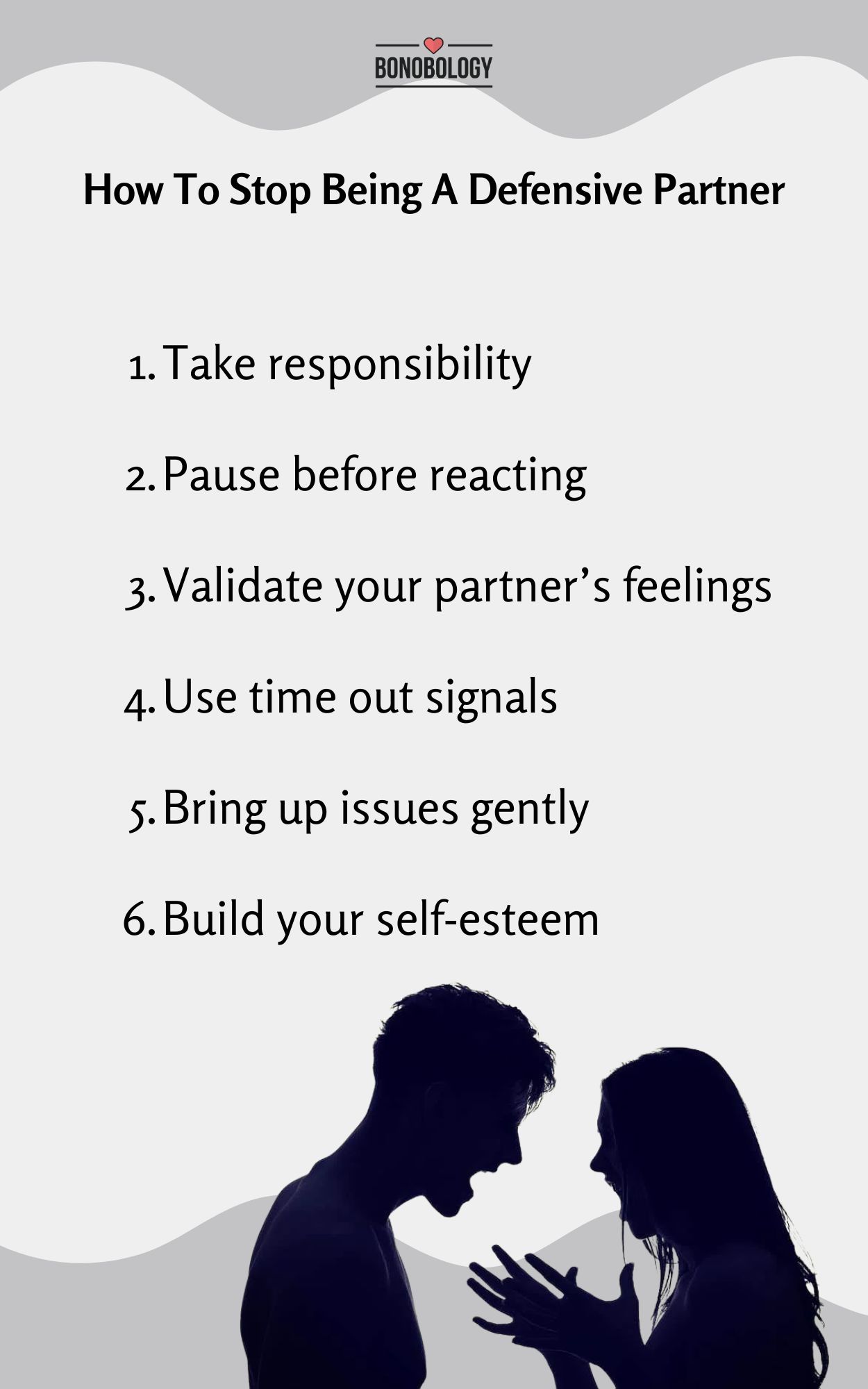
4. Timeout-Signale verwenden
Wenn die Situation hitzig wird und Sie das Gefühl haben, die Kontrolle zu verlieren, brauchen Sie einen vorher vereinbarten Ausweg. Erstellen Sie einen solchen.
Ein Auszeitsignal, ein Wort oder eine einfache Geste, die bedeutet: „Wir werden defensiv, wir müssen innehalten.“ Verwenden Sie dieses Signal, sobald Sie die Veränderung bemerken, um zu verhindern, dass die Situation außer Kontrolle gerät.
Während der Pause:
- Du tust etwas Beruhigendes.
- Konzentrieren Sie sich nicht auf das Problem und proben Sie nicht Ihre Argumente für den Gerichtssaal.
- Sobald Sie sich beruhigt haben, kehren Sie zurück und setzen Sie die Diskussion fort.
Denken Sie daran, diese Auszeit nicht dazu zu nutzen, Ihren Partner zu bestrafen oder dem Streit auf unbestimmte Zeit zu entfliehen. Das würde ihre Wirksamkeit mindern.
5. Gehen Sie beim Einbringen von Problemen behutsam vor.
Bisher lag der Fokus dieses Abschnitts darauf, wie sich der defensive Partner verbessern kann. Ein Paar kann die Abwehrhaltung aber auch reduzieren, indem es die Art und Weise ändert, wie Probleme überhaupt erst angesprochen werden.
Ein sanfter Start sieht folgendermaßen aus:
- Du führst mit Gefühl
- Beschreiben Sie die Situation ohne Schuldzuweisungen.
Und stellen Sie eine klare Anfrage
Zum Beispiel: „Ich fühle mich überfordert, wenn die Küche über Nacht so unordentlich bleibt. Wir müssen sie vor dem Schlafengehen wieder aufräumen.“
Dadurch wird die wahrgenommene Kritik reduziert und die Wahrscheinlichkeit einer Abwehrreaktion seitens Ihres Partners verringert.
6. Schaffen Sie innere Sicherheit durch eine kurze Selbstbestätigung.
Die Forschung zur Selbstbestätigung legt nahe, dass man bedrohliche Informationen weniger defensiv aufnehmen kann, wenn man ein stabiles Selbstbild entwickelt. Neigen Sie aufgrund von geringem Selbstwertgefühl und weil Sie jedes Feedback als Versagen empfinden, zu Abwehrreaktionen, können Sie vor oder während schwieriger Gespräche üben, einen Ihnen wichtigen Wert zu bekräftigen. So geht's:
- Wähle einen Wert, nach dem du leben möchtest, wie zum Beispiel Fairness, Wachstum, Loyalität, Ruhe oder Ehrlichkeit.
- Frage dich selbst: „Wie kann ich diesen Wert in die Praxis umsetzen?“
- Dann gehen Sie erneut in das Gespräch ein, mit dem Ziel, zuerst zu verstehen und dann zu erklären.

Wie man mit einem defensiven Partner umgeht
Wenn Ihr Partner in die Defensive geht, ist Ihr erster Impuls vielleicht:
- Gib mehr Gas
- Belege auflisten
- Oder erheben Sie Ihre Stimme, um „endlich verstanden zu werden“.
Das schlägt fast immer fehl, denn Kritik führt meist zu Abwehrreaktionen, die wiederum weitere Kritik auslösen. So bleiben Sie in der Interaktion sachlich, ohne passiv zu werden.
- Beginnen Sie mit dem emotionalen Tonfall, nicht mit dem Inhalt. Wenn Ihr Tonfall Kontrolle oder Überlegenheit vermittelt, wird die Bedrohungsreaktion Ihres Gegenübers schneller ausgelöst.
- Verwenden Sie Ich-Botschaften plus eine konkrete Bitte.
- Streiten Sie nicht über Fakten, wenn die Emotionen hochkochen. Wenn Ihr Partner Fakten aneinanderreiht, können Sie sagen: „Die Details können wir später klären. Ich möchte über die Auswirkungen sprechen.“
- Nehmen Sie sich eine Auszeit, sobald Sie merken, dass Sie die Kontrolle verlieren.
- Wenn das Muster chronisch ist, sprechen Sie es in einem ruhigen Moment an. In dieser ruhigen Phase könnten Sie sagen: „Wenn ich ein Problem anspreche, weichen Sie oft aus oder weisen auf meine Fehler hin, und am Ende …“ sich vernachlässigt fühlen"
- Wenn Sie in einer Ehe oder Beziehung mit Abwehrverhalten konfrontiert sind, das mit Beleidigungen, Einschüchterungen, Drohungen oder wiederholter Demütigung einhergeht, sollten Sie dies als Sicherheitsrisiko und nicht als Kommunikationsstil betrachten. In diesem Fall reichen allgemeine Kommunikationstipps nicht aus, und professionelle Hilfe ist ratsam.
| Defensive Reaktion | Gesunde Reaktion |
| Gibt dem Partner die Schuld | Übernimmt Verantwortung für ihren Teil |
| Erfindet Ausreden | Erkennt den Fehler an und bemüht sich, ihn wiedergutzumachen. |
| Gegenangriff | Hört aktiv zu und stellt klärende Fragen |
| Ignoriert Gefühle | Bestätigt Gefühle und hält den Kontakt aufrecht |
| Streitet über Fakten | Fokus auf Auswirkungen und Bedürfnisse |
| Schaltet den Betrieb ab oder bricht im Sturm ab | Nutzt eine Auszeit und kehrt pünktlich zurück |
Häufig gestellte Fragen
Gelegentliches Abwehrverhalten ist normal. Chronisches Abwehrverhalten ist jedoch ein Warnsignal, da es die Übernahme von Verantwortung verhindert und Probleme ungelöst lässt. Wenn jede Sorge in gegenseitige Schuldzuweisungen, Streitereien oder Abweisung mündet, verliert die Beziehung an emotionaler Sicherheit und es entsteht Groll.
Wenn du in einer Beziehung ständig in die Defensive gehst, sprich das Problem zunächst direkt an, halte dann kurz inne und übernimm Verantwortung für deinen Anteil. Nimm dir 20 Minuten Auszeit, wenn du von deinen Gefühlen überwältigt wirst, kehre erst zurück, wenn du dich beruhigt hast, und versuche zu verstehen, was dein Partner gefühlt hat, bevor du dich erklärst. Diese Vorgehensweise reduziert die Bedrohung und stärkt die Beziehung.
Manchmal. Es kann sich um eine alte Bewältigungsstrategie handeln, die dir als Kind geholfen hat, dir aber als Erwachsener schadet. Das macht dich nicht „schlecht“. Es bedeutet, dass dein Nervensystem automatisch auf Selbstschutz schaltet. Reife bedeutet, Unbehagen lange genug auszuhalten, um zuzuhören, Verantwortung zu übernehmen und das Problem zu lösen.
Wichtige Hinweise
- Abwehrverhalten in Beziehungen ist eine Schutzreaktion auf wahrgenommene Bedrohungen, wird aber meist als Schuldzuweisung und Ablehnung interpretiert.
- Es verschärft Konflikte, verhindert Verantwortlichkeit und schafft emotionale Distanz, wenn Probleme ungelöst bleiben.
- Das schnellste Gegenmittel ist teilweise Verantwortung, gefolgt von Bestätigung und Neugier.
- Auszeitsignale und 20-minütige Ruhepausen zur Selbstberuhigung helfen, wenn die Nerven blank liegen und Zuhören unmöglich ist.
- Defensives Verhalten in Beziehungen kann sich ändern, aber das erfordert Übung, nicht nur Einsicht.
Abschließende Gedanken
Abwehrverhalten in Beziehungen kann selbst starke Bindungen schleichend schädigen, oft ohne dass man es im Moment merkt. Was sich wie Selbstschutz anfühlt, ist meist eine Reaktion auf vermeintliche Kritik, ausgelöst durch emotionale Trigger, Unsicherheit in Beziehungen oder alte Bewältigungsmuster. Doch in Wahrheit führt das Verharren in dieser defensiven Kommunikationsschleife nur zu mehr Distanz und Missverständnissen. Der Wandel beginnt, wenn man innehält, auch nur ein wenig Verantwortung übernimmt und sich für Verständnis statt für eine impulsive Reaktion entscheidet.
17 Warnsignale in einer Beziehung, vor denen Sie sich in Acht nehmen sollten
17 tödliche Zeichen eines unreifen Mannes und wie man damit umgeht
Intimitätstherapie zu Hause: 15 Intimitätsübungen für die Ehe
Ihr Beitrag stellt keine wohltätige Spende dar . Er ermöglicht es Bonobology, Ihnen weiterhin neue und aktuelle Informationen bereitzustellen, um unserem Ziel, jedem Menschen weltweit das Erlernen beliebiger Fähigkeiten zu ermöglichen, treu zu bleiben.












Featured
Wie eine Therapie Beziehungen stärken kann, bevor Probleme eskalieren
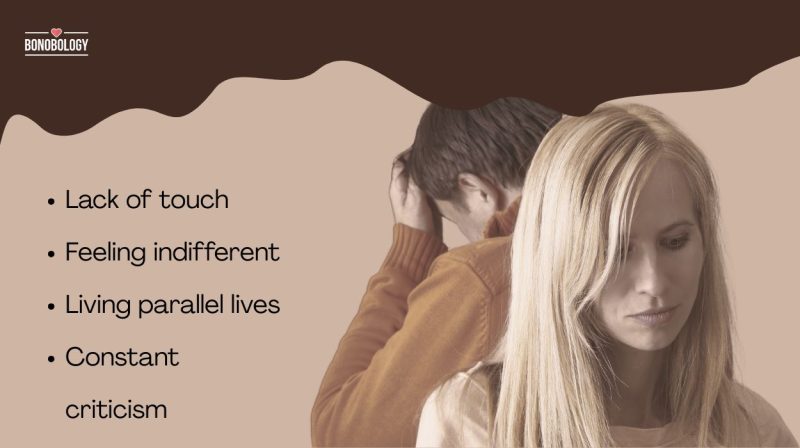
Anzeichen für mangelnde Leidenschaft in einer Beziehung: 15 klare Indikatoren, die Sie nicht ignorieren sollten
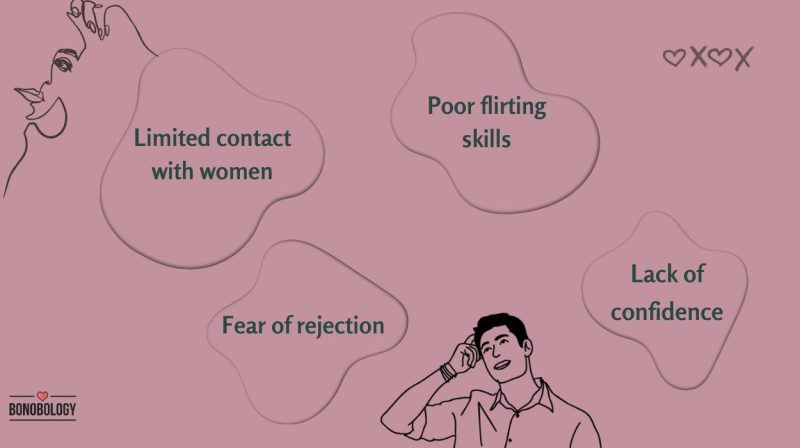
Ich bin 30 und hatte noch nie eine Freundin: Was du falsch machst
Imago-Therapie: Was ist das, wie funktioniert es, Vorteile und zu beachtende Aspekte
Banksying beim Dating: Was es bedeutet und wie man es erkennt
Gehe ich nach dem Tod meines Ehepartners zu schnell weiter – wie kann ich mich entscheiden?
15 Zeichen, dass Sie wieder mit Ihrem Ex zusammenkommen
So überwinden Sie Vertrauensprobleme – Ein Therapeut gibt 9 Tipps
Erfahren Sie, wie Sie sich selbst vergeben können, wenn Sie jemanden verletzt haben, den Sie lieben
So finden Sie Frieden, nachdem Sie betrogen wurden – 9 Tipps von einem Therapeuten
Wie man mit einem untreuen Ehemann umgeht
35 beunruhigende Anzeichen von Gaslighting in einer Beziehung
Was ist narzisstisches Ghosting und wie reagiert man darauf?
„Mein Mann fängt Streit an und gibt mir dann die Schuld“: Möglichkeiten, damit umzugehen
So bauen Sie Ihr Leben nach dem Tod eines Ehepartners wieder auf: 11 von Experten unterstützte Tipps
Mein Mann ist gestorben und ich möchte ihn zurück: Mit Trauer umgehen
„Bin ich nicht liebenswert“ – 9 Gründe, warum du dich so fühlst
11 Anzeichen dafür, dass Ihre Freundin in der Vergangenheit sexuell missbraucht wurde und wie Sie ihr helfen können
Umgang mit Trennungen: Die unverzichtbaren Trennungs-Apps für Ihr Telefon
15 Zeichen dafür, dass Sie Ihre Zeit damit verschwenden, Ihren Ex zurückzubekommen