

Kaislību var saprast kā aktīvu lādiņu attiecībās. Psiholoģijā kaislība ir saistīta ar intensīvu vēlmi un spēcīgu entuziasmu. Jūs joprojām varat dziļi rūpēties par kādu un tomēr sajust, kā dzirksts izzūd. Ikdienas dzīvē kaislība izpaužas kā vēlme, zinātkāre, pūles, pieķeršanās, rotaļīgums un emocionāla enerģija.
Daudzas kaisles trūkuma pazīmes attiecībās parādās ilgi pirms kāds no jums pasaka kaut ko tieši. Viens cilvēks pārstāj sniegties. Otrs pārstāj to pamanīt. Sarunas kļūst efektīvas. Pieskāriens pārvēršas par ieradumu vai pazūd. Aizvainojums sāk runāt, pat ja neviens to nenosauc vārdā. Šī klusā erozija bieži vien ir svarīgāka par vienu dramatisku strīdu.
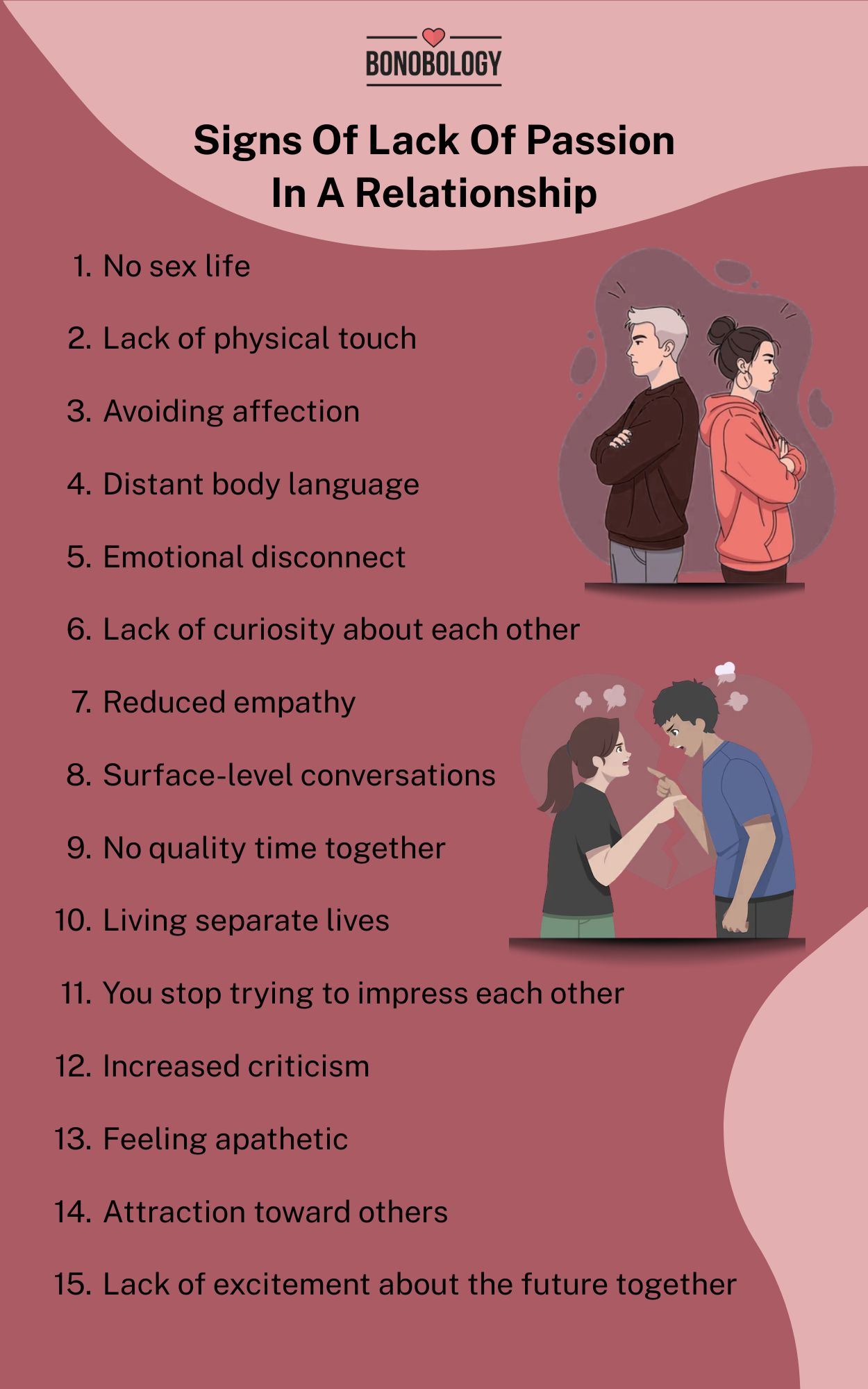
Dažas izplatītas kaisles trūkuma pazīmes attiecībās ir šādas:
- Nav seksuālās dzīves
- Attāla ķermeņa valoda
- Zinātības trūkums vienam par otru
- Pastiprināta kritika
- Apātijas sajūta
Kā izskatās kaisles trūkums attiecībās?
Saturs
Pēc būtības, kaislības neskarta saikne ir tāda, kurā ir mazinājusies vēlme, vitalitāte un pūles. Protams, jūs joprojām varat mīlēt savu partneri. Jūs joprojām varat labi darboties kā komanda. Bet:
- Attiecības šķiet mazāk dzīvas
- Ir mazāka pievilkšanās vienam pret otru
- Mazāk siltuma ikdienišķos brīžos
- Un mazāk instinkta tuvoties
Tas palīdz atšķirt trīs lietas, kuras cilvēki bieži jauc.
- Komforts nozīmē drošību, uzticēšanos un vieglumu. Tas ir veselīgi.
- Garlaicība nozīmē, ka attiecības šķiet novecojušas un pārāk apgūtas. Tas ir riskanti, ja tās kļūst hroniskas.
- Kaislības trūkums atrodas kaut kur pa vidu un bieži vien noved pie garlaicības, kad neviens no viņiem neaizsargā jaunumu, emocionālu klātbūtni vai erotisko enerģiju.
Ilgtermiņa attiecībām nav jākļūst par tukšu draudzību, taču tās parasti kļūst mazāk apsēstas nekā agrīnā stadijā notiekoša iemīlēšanās.

Kāpēc kaislība izgaist un kad tā ir normāla
Daudzās ilgtermiņa attiecībās seksuālā vēlme laika gaitā samazinās pakāpeniski, un jaunās mīlestības augstais uzbudinājuma stāvoklis nav veidots tā, lai saglabātu pilnu intensitāti mūžīgi. Ja jūs pārstājat gaidīt pastāvīgu medusmēneša fāzi , jūs pārstājat panikot katru reizi, kad intensitāte mainās. Tajā pašā laikā pilnīgs emocionāls plakanums nav kaut kas tāds, kas jums būtu jāpieņem kā neizbēgams.
Rutīna ir viens no galvenajiem iemesliem, kāpēc lietas atdziest.
- Jauna pieredze ar partneri var palielināt vēlmi un gandarījumu
- Lai gan atkārtoti, zemas iesaistes modeļi mudina pārus virzīties uz autopilotu
Tas ir viens no iemesliem, kāpēc kopīgas aktivitātes un hobiji ir svarīgāki, nekā cilvēki domā. Kā gan kaislība varētu izdzīvot, ja viss, ko jūs darāt kopā, ir ikdienišķie darbi?
Kaisles zaudēšana attiecībās var radīt īpaši apjukumu, ja:
- Jūs joprojām cienāt savu partneri
- Izbaudi viņu kompāniju
- Un nav nekādas nopietnas krīzes, uz ko norādīt
Šī apjukuma sajūta ir saprotama. Stress, vecāku loma, slikts miegs, depresija, libido izmaiņas, aizvainojums un slēpti konflikti – tas viss var ietekmēt jūsu tuvību.
Saistītā lasāmviela: Intimitātes terapija mājās: 15 laulības intimitātes vingrinājumi
Skaidras pazīmes, kas liecina par kaisles trūkumu attiecībās
Visizteiktākās kaisles trūkuma pazīmes attiecībās parasti koncentrējas ap pieskārieniem, zinātkāri, pūlēm un emocionālu siltumu. Viena pazīme pati par sevi var nozīmēt, ka jūs pārdzīvojat grūtu periodu . Taču vairākas pazīmes kopā, īpaši, ja tās turpinās vairākus mēnešus, ir pelnījušas jūsu uzmanību.
Fiziskās un intimitātes pazīmes
Šīs pazīmes vispirms parādās ķermenī. Tās parāda, cik ērti, savienoti un iekārojami jūs jūtaties fiziski viens otra klātbūtnē. Kad kaislība sāk izgaist, fiziskā tuvība bieži vien ir pirmā, kas pazūd, vai arī tā sāk šķist mehāniska, nevis dabiska.
1. Maz vai nekāda seksuālā dzīve
Seksa biežuma samazināšanās bieži vien ir pirmā pazīme, ko cilvēki pamana, taču svarīgs nav tikai dzimumakta biežums. Jums jāpievērš uzmanība arī tam, vai seksa laikā rodas šādas sajūtas:
- Wanted
- Abpusējs
- Un emocionāli saistīts
Zema vēlme var būt saistīta ar:
- Uzsvars
- depresija
- Medikamenti
- sāpes
- Attiecību spriedze
- Un veselības stāvokļi
Jūs joprojām varētu gulēt vienā gultā un nedēļām ilgi izvairīties no šīs tēmas, jo jūs abi jau zināt, cik neveikli tas ir.
2. Fiziskā pieskāriena trūkums
Kad apskāvieni, skūpsti, roku turēšana , glāsti un ikdienišķs kontakts izzūd, attiecības sāk kļūt vēsākas. Sirsnīga pieskāriena klātbūtne ir liela daļa no intimitātes attiecībās, un partnera atsaucība palīdz prognozēt sirsnīgu pieskārienu pāros. Reālajā dzīvē tas var izskatīties šādi:
- Jūs atgriežaties mājās, un vairs nav iespējas vienam otram sniegties.
- Nepieskarties, ja vien kāds cits to nelūdz
3. Izvairīšanās no tuvības vai pieķeršanās
Šī zīme ir smalkāka nekā nekāda pieskāriena neesamība. Dažreiz pieķeršanās tehniski ir klātesoša, bet viens no jums:
- Izvairās no tā
- Stingst zem tā
- Pārvērš to par joku
- Vai arī uztver to kā pienākumu
Šim modelim ir nozīme, jo atkārtota atteikšanās no centieniem veidot saikni laika gaitā rada mazāku drošību, mazāk tuvības un parasti mazāk romantikas un seksa. Piemēram, viens partneris pieliecas pie dīvāna, bet otrs nekavējoties pārbauda tālruni, pieceļas pēc ūdens vai maina sarunas tēmu.
Saistītā lasāmviela: Priekšspēle: vairāk nekā tikai iesildīšanās
4. Ķermeņa valoda šķiet attālināta
Bieži vien kaislības zudumu var pamanīt, pirms to var izskaidrot.
- Ķermenis pagriežas prom
- Acu kontakta pilieni
- Smaidi nerodas viegli
- Tu pārstāj sēdēt tuvu, to neapzinoties
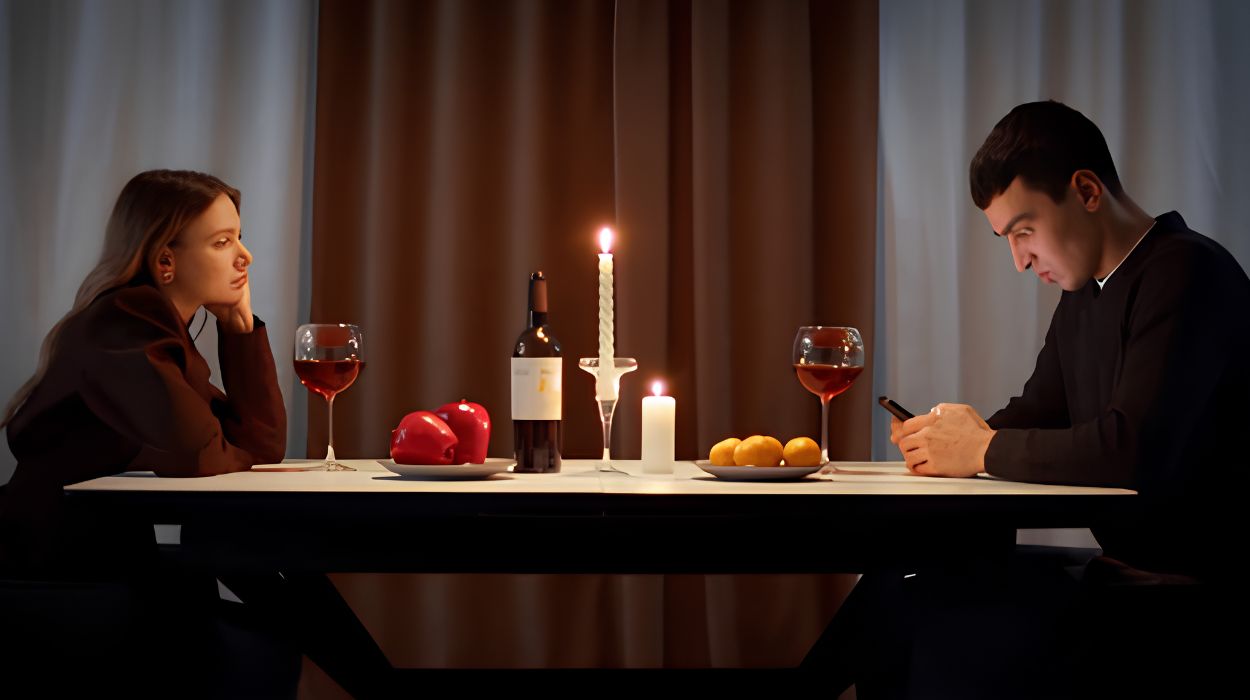
Neviens no šiem aspektiem pats par sevi nešķiet problemātisks, taču hroniska distance ķermeņa valodā bieži rodas emocionālas distances rezultātā . Piemēram, jūs kopā vakariņojat, bet jūsu pleci, acis un uzmanība gandrīz visu laiku ir kaut kur citur.
Saistītā lasāmviela: 11 kritiskas bezdzimuma laulības ietekmes uz sievu
Emocionālās pazīmes
Šīs pazīmes parāda, kā tiek ietekmēta iekšējā saikne starp jums un jūsu partneri. Tas ietver to, kā jūs jūtaties redzēti, saprasti un emocionāli iesaistīti. Kad kaislība mazinās, emocionālo dziļumu bieži aizstāj attālums vai vienaldzība.
1. Emocionāla atvienošanās vai sajūta kā istabas biedriem
Šis ir viens no visizplatītākajiem aprakstiem, ko cilvēki lieto, kad kaislība ir izsīkusi. Jūs joprojām koplietojat dzīvi, taču attiecības nešķiet intīmas, bet gan administratīvas. Ja netiek pieliktas pūles apzinātai tuvībai, partneri var sākt dzīvot paralēlas dzīves, daloties maz vai nemaz vienam ar otru. To bieži dēvē par istabas biedra fāzi vai istabas biedra laulību.
"Es ienīstu sajūtu, ka esmu tikai istabas biedrs savai sievai, un mēs joprojām darām lietas kopā, bet vienkārši darbojamies kā draugi."
- Reddit lietotājs
2. Zinātkāres trūkums vienam par otru
Kaislība mīt atklājumos. Kad pārstājat domāt par to, ko jūsu partneris domā, jūt, kāro, baidās vai par ko viņš kļūst, interese sāk izzust. Piemēram, pat ja zināt, ka jūsu partnerim bija grūta diena, jūs nejautājat, kas notika, jo vairs nejūtat šo tieksmi vai ziņkāri.
"Vēlme zeļ citādībā. Mēs vēlamies jaunumu, kādu tilta otrā pusē, kas liek mums vēlēties doties ceļojumā prom no vietas, kur atrodamies, uz vietu, kur nekad neesam bijuši. Vēlmei ir nepieciešams noslēpums."
– Estere Perela, psihoterapeite
3. Samazināta empātija vai līdzjūtība
Kad kaislība izgaist, partneri bieži vien zaudē maigumu, pirms zaudē lojalitāti. Jūs mazāk uzticaties citiem. Jūs uzklausāt mazāk dāsni. Pat nelielas attiecību kļūdas šķiet vairāk kairinošas nekā saprotamas. Pētījumi par diadisko empātiju liecina, ka empātija ir saistīta ar seksuālo vēlmi, seksuālo apmierinātību un attiecību pielāgošanos.
4. Sarunas šķiet virspusējas
Ja lielākā daļa jūsu sarunu ir par mājas darbiem, grafikiem, naudu, bērnu audzināšanu vai to, kurš ko paņem, iespējams, kaut kas svarīgs pietrūkst. Komunikācija ir veselīgu attiecību galvenā iezīme , un, kad tā aprobežojas tikai ar loģistiku, parasti līdzi nāk arī emocionāls dziļums. Piemērs: jūs visu dienu runājat par uzdevumiem un joprojām pirms gulētiešanas jūtaties dīvaini nezināmi.
Saistītā lasāmviela: Lūk, kā pateikt savam partnerim “Eksperimentēsim gultā”
Uzvedības pazīmes
Šie ir redzamie modeļi tam, kā jūs ikdienā parādāties attiecībās. Kaisles trūkums ietekmē arī pūles, laiku un kopīgu pieredzi. Darbības lēnām pāriet no apzinātas uz ieradumu.
1. Nav jāpieliek pūles, lai pavadītu kvalitatīvu laiku kopā
Randiņi ir pirmie, kas izzūd, jo tie šķiet neobligāti. Tad pazūd rotaļas, un līdz ar to pazūd kopīgs satraukums. Jaunas un aizraujošas aktivitātes ar partneri var radīt lielāku vēlmi un gandarījumu, kas palīdz izskaidrot, kāpēc pāri bieži vien izjūk, kad viss kopā kļūst par rutīnu. Piemēram, jūs joprojām kopā kārtojat ikdienas darbus, bet gandrīz nekad neradāt laiku, kas šķiet izvēlēts, jautrs vai intīms, piemēram, kopīgs randiņš vai hobijs.
2. Dzīvojot atsevišķas dzīves
Jā, veseliem pāriem ir nepieciešama individualitāte. Problēma sākas, kad tā kļūst galēja, kad individualitāte pārvēršas emocionālā atšķirtībā. Attiecības var pārvērsties vienkārši par mājokļa sakārtošanu ar kopīgām atbildībām , ja jūsu dzīves aspekti pārstāj krustoties, piemēram:
- hobiji
- draugi
- Kārtība
- Un iekšējās pasaules
Tas varētu izskatīties šādi:
- Pavadīt vakarus dažādās istabās
- Pilnīgi atšķirīgu sociālo pasauļu esamība
- Un nejūtos kā komanda
3. Jūs pārstājat mēģināt atstāt iespaidu viens uz otru
Šeit nav runa par vienmērīgu saģērbšanos vai uzstāšanos. Runa ir par to, ka zaudē:
- Flirts
- Gaidīšana
- Un rūpes
Kad kaislība ir dzīva, cilvēki joprojām veic mazus gājienus, kas saka: “Es vēlos, lai tu mani redzi.” Šīs kustības pārstāj notikt, kad cilvēki pilnībā ieslīgst ērtības režīmā. Ir:
- Bez ķircināšanas
- Bez piepūles
- Nekādu mazu mēģinājumu justies iekārojami vai likt otram cilvēkam justies izvēlētam
Saistītā lasāmviela: Pāriem, kas kopā trenējas, ir labāka seksuālā dzīve
4. Paaugstināta kritika vai negatīvisms
Ja jūsu tonis vienam pret otru ir mainījies no siltas ķircināšanās uz hronisku kritiku, pievērsiet uzmanību. Gotmana pētījumi vairākkārt ir izcēluši kritiku, nicinājumu, aizstāvēšanos un neieinteresētību kā destruktīvus modeļus, un nicinājums izceļas kā spēcīgākais šķiršanās prognozētājs. Pat neitrāli komentāri kaut kādā veidā kļūst par munīciju, un viena maza problēma dažu minūšu laikā pārvēršas rakstura uzbrukumā.
Psiholoģiskās pazīmes
Šīs ir pazīmes, kas atspoguļo jūsu iekšējo stāvokli, domas un sajūtas par attiecībām. Tās bieži vien norāda uz dziļākām izmaiņām vēlmēs, pieķeršanās un ilgtermiņa skatījumā, pat pirms svarīgu lēmumu pieņemšanas.
1. Apātijas vai vienaldzības sajūta
Apātija bieži vien ir sliktāka par konfliktu, jo vismaz konfliktā joprojām ir iesaiste. Pētījumi par romantisko vienaldzību ir atklājuši saistību ar zemāku attiecību un personīgo labsajūtu, ko daļēji nosaka:
- Garlaicība
- Zemāka intimitāte
- Un lielāka interese par alternatīvām
Tas var izskatīties pēc nejutīguma sajūtas, nevis raizēm vai pat dusmām, kad jūsu partneris ir satraukts.
Saistītā lasāmviela: Seksuālā tuvība: nozīme, ieguvumi un veidi, kā uzlabot
2. Pievilcība citiem
Dažreiz ir pieņemami pamanīt citus pievilcīgus cilvēkus. Taču tas var novest pie katastrofas, ja to pavada garlaicība, atsvešinātība vai vienaldzība mājās. Anekdotiski ziņojumi bieži vien liecina par modeli, kurā ārējā pievilcība palielinās, kamēr primārā saikne emocionāli izzūd.
3. Neuztraukums par kopīgu nākotni
Viena no skaidrākajām vēlīnās stadijas pazīmēm ir tad, kad nākotne vairs nešķiet spilgta. Jūs joprojām varat plānot praktisko nākamo soli, bet emocionāli tas rada spriedzi.
- Tukšs
- Smags
- Vai dīvaini pienākuma apzinīgs
Pētījumi par vienaldzību to saista ar
- Zemākas saistības
- Uzticības problēmas
- Un laika gaitā vairāk domu par šķiršanos
Padomājiet par to. Iztēlojoties nākamos piecus gadus, vai jūs iztēlojaties tikai stabilitāti un pienākumu, vai arī jūtat prieku un patiesu vēlmi turpināt veidot?
Kas izraisa kaislības zudumu
Tā kā pazīmes un cēloņi pārklājas, kaisles trūkuma pazīmes attiecībās var viegli ignorēt kā...
- Uzsvars
- Vecāki
- Vai grūts mēnesis
Dažreiz tā ir taisnība. Dažreiz tā ir pašaizsardzība. Grūtākais ir tas, ka attiecību plakanums bieži vien veidojas ikdienas dzīves gaitā, kas ļauj viegli normalizēties pārāk ilgi.
1. Pārāk liela pazīstamība
Rutīna un paredzamība ir acīmredzami vaininieki, taču dziļāka problēma parasti ir gaidu nāve. Pārāk liela vienveidība neatstāj neko, ko atklāt, un tādējādi nogalina zinātkāri. Jaunums ir svarīgs, jo tas atjauno
- Kustība
- Uzmanību
- Un sajūta, ka attiecībās joprojām ir neattīstīta telpa
"Erotika atrodas neskaidrajā telpā starp trauksmi un fascināciju."
– Estere Perela, psihoterapeite
2. Aizvainojums
Aizvainojums ir vēl viens būtisks iemesls, un tas parasti ir sarežģītāks, nekā cilvēki domā. Viena neapmierināta vajadzība nenogalinās kaisli, bet simtiem neatrisinātu vilšanos gan. Uzkrātās sāpes var likt partneriem justies slikti.
- Nesvarīgi
- nevēlams
- Vai arī par to nerūpējas
Tāpēc pat neitrāla mijiedarbība tiek uztverta negatīvi.

3. Emocionāla nolaidība
Džons Gotmens piedāvājumus sauc par “ emocionālās saiknes pamatvienību ”. Tas ir tāpēc, ka kaislība reti kad izzūd vienā lieliskā mirklī. Tā izgaist tūkstoš mirkļos.
- Nepamanīti skatieni
- Puse atbilžu
- Izklaidīgi pamāj ar galvu
- Un aukstas atbildes
Saistītā lasāmviela: Cik ilgs laiks ir pārāk ilgs bez seksa attiecībās?
4. Pienākumi
Kaisles trūkums laulībā bieži parādās pēc tam, kad pāri kļūst ļoti labi mājsaimniecības vadīšanā, bet ļoti slikti spēj radīt vietu:
- Atpūta
- spēlēt
- Vientulība
- Un erotika
Pāreja uz vecāku lomu vidēji ir saistīta ar nelielu apmierinātības ar laulību samazināšanos, un stress vai depresija var vēl vairāk samazināt libido un sasprindzināt attiecības. Ja tam pievieno miega trūkumu, pastāvīgu loģistiku un baudas bufera trūkumu, nav pārsteigums, ka vēlme var mazināties.
Kā atgriezt kaisli
Mērķis nav atjaunot pirmo mēnesi, ko bijāt kopā. Šī mīlestības versija nekad nebūtu bijusi tieši tāda, kāda tā bija. Patiesais mērķis ir atjaunot vēlmi tādā veidā, kas atbilst jūsu pašreizējai dzīvei un ko var uzturēt ikdienas pienākumu vidū.
1. Atjaunojiet emocionālo saikni
Ja jūsu partneris nejūtas droši, netiek pamanīts vai uz viņu netiek reaģēts, erotiskā enerģija parasti neatgriežas stabilā veidā. Lieliski žesti ir lieliski, taču atkārtoti pavērsiena brīži vienam pret otru ir svarīgāki un efektīvāki. Atbildiet uz partnera aicinājumiem pievērst uzmanību, piemēram:
- Vēlas pastāstīt par savu dienu
- Rādu tev smieklīgu video
- Vai arī pastāstiet par nesen izlasītas grāmatas sižetu
Tas ir svarīgi, jo ikdienas reakcijas vai nu veido, vai izsmeļ attiecību emocionālo aspektu.
Saistītā lasāmviela: Intimitāte pret seksu: kā tie atšķiras un kāpēc abi ir svarīgi
2. Pievienot jaunumu
Kopīga jauna pieredze ir viens no konsekventākajiem pētījumos apstiprinātajiem veidiem, kā palielināt vēlmi un attiecību apmierinājumu . Izmēģiniet kaut ko tādu, kas maina atmosfēru, nevis vēl vienu uzticamu randiņu.
- Apgūstiet prasmi kopā
- Dodieties kaut kur nepazīstamā vietā
- Mainīt skriptu
Ja attiecībās zūd kaisle, jaunums nav greznība. Bieži vien tā ir pirmā īstā iejaukšanās.
Saistītā lasāmviela: Vai nodarbojaties ar garlaicīgu seksu? Šeit ir 10 padomi, kā atrast laiku
3. Saziņas labošana
Ja kritika, nicinājums vai aizsardzības cikli ir pastāvīgi, vēlmēm nebūs vietas, kur uzplaukt. Tiklīdz komunikācija kļūs laipnāka, sekos emocionāla un fiziska tuvība .
4. Tieši risiniet aizvainojumu
Nav nepieciešama perfekta saskaņa. Patiesībā lielākā daļa attiecību problēmu ir mūžīgas un laiku pa laikam parādīsies. Tāpēc svarīgi ir tas, vai varat apspriest šīs problēmas bez nicinājuma un ar pietiekamu labo gribu. Jūs nevarat "piešķirt dzīvei asumu", kamēr neesat atrisinājis negatīvās sajūtas, kas jums ir pret partneri.

5. Piešķiriet prioritāti tuvībai
Dažiem pāriem tas varētu nozīmēt laika plānošanu. Cilvēki pretojas šai idejai, jo vēlas spontanitāti, taču daudziem ilgtermiņa pāriem klājas labāk, ja intimitāte tiek ieplānota kalendārā, nevis atstāta nejaušības ziņā.
- Galvenais nav padarīt to mehānisku
- Padariet to plašu
- Mazāk snieguma, vairāk lēnuma, pieskārienu, flirta un garīgas klātbūtnes
6. Izslēdziet veselības un medikamentu faktorus
Pēkšņas seksuālās vēlmes izmaiņas var izraisīt:
- Pēkšņa libido samazināšanās
- Seksuālas sāpes
- Pastāvīga depresija
- Vai SSRI blakusparādības
Šādos gadījumos šī nav tikai romantiska problēma. Tā ir arī saruna par veselību. Ārsta, terapeita vai seksa terapeita konsultācija varētu būt pareizais nākamais solis.
Biežāk uzdotie jautājumi
Agrākās pazīmes bieži vien ir nemanāmas: mazāk pūļu, mazāk sirsnīgu žestu, mazāka savstarpēja sazināšanās, vairāk loģistisku sarunu un ievērojams ziņkāres kritums par partnera iekšējo dzīvi. Daudzi pāri šo posmu izlaiž, jo nekas vēl neizskatās dramatisks. Tas vienkārši šķiet glaimojošāks.
Ir normāli, ja agrīna intensitāte mainās. Vēlme laika gaitā bieži kļūst mazāk automātiska, un medusmēneša fāze neturpinās pilnā apjomā mūžīgi. Nav prātīgi normalizēt hronisku vienaldzību, emocionālu distancēšanos un pilnīgu piepūles trūkumu. Ilgtermiņa romantika joprojām var pastāvēt.
Jā, bieži vien var, īpaši, ja abi cilvēki joprojām ir emocionāli iesaistīti. Pētījumi apstiprina jaunumu, labāku atsaucību, uzlabotu komunikāciju un uz pāriem balstītas intervences kā jēgpilnus veidus, kā uzlabot vēlmi, intimitāti un attiecību apmierinājumu. Atruna ir vienkārša: abiem cilvēkiem ir jāpiedalās.
Galvenās norādes
- Kaislības zudums parasti ir pakāpenisks, un tas bieži vien vispirms izpaužas kā klusēšana, samazināta pieskārienu biežums, zema zinātkāre un mazāka emocionāla atsaucība.
- Tas izpaužas gan uzvedībā, gan sajūtās un izskatās pēc paralēlām dzīvēm, mazāk piedāvājumu, vairāk kritikas un mazāk empātijas.
- Agrīnās pazīmes var būt atgriezeniskas, īpaši, ja abi partneri ir gatavi atjaunot saikni, radīt jaunumu un novērst aizvainojumu.
- Apzināšanās ir pirmais solis. Modeļa agrīna nosaukšana var palīdzēt pāriem atdzīvināt savu kaisli.
Final Domas
Dažas attiecības zaudē kaisli tāpēc, ka tās nekad nav tikušas lolotas, citas tāpēc, ka dzīve vienkārši iejaucas. Svarīgi ir tas, ko jūs izvēlaties darīt ar šo apziņu. Ja jūs abi joprojām esat gatavi parādīties, uzklausīt, mēģināt vēlreiz ar apzinātu nodomu, kaisle var atgriezties pamatotākā un ilgstošākā veidā. Un, ja nē, šīs pazīmes arī sniedz jums skaidrību pieņemt lēmumus, kas ir godīgi pret jūsu vajadzībām, nevis palikt iesprostotiem klusā atsvešinātībā.
10 lietas, kas jādara ārpus guļamistabas, lai seksuālā dzīve būtu labāka
Jūsu ziedojums nav uzskatāms par labdarības ziedojumu . Tas ļaus Bonobology turpināt sniegt jums jaunu un aktuālu informāciju, cenšoties palīdzēt ikvienam pasaulē apgūt jebko.









Ieteiecamās
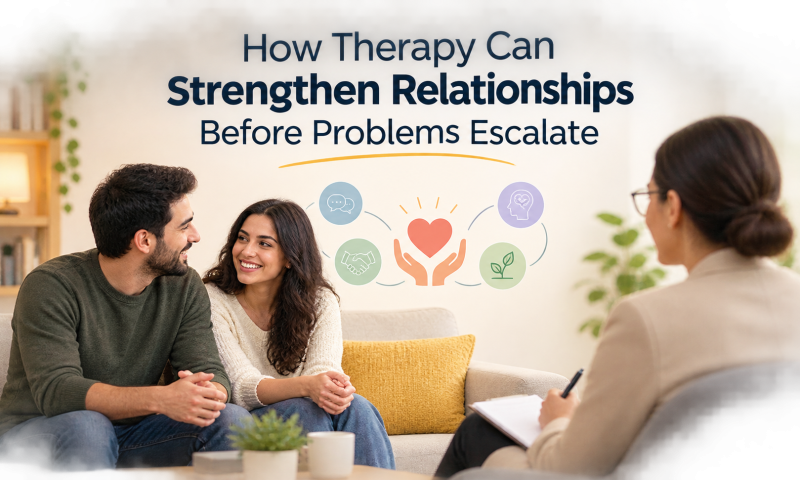
Kā terapija var stiprināt attiecības, pirms problēmas saasinās
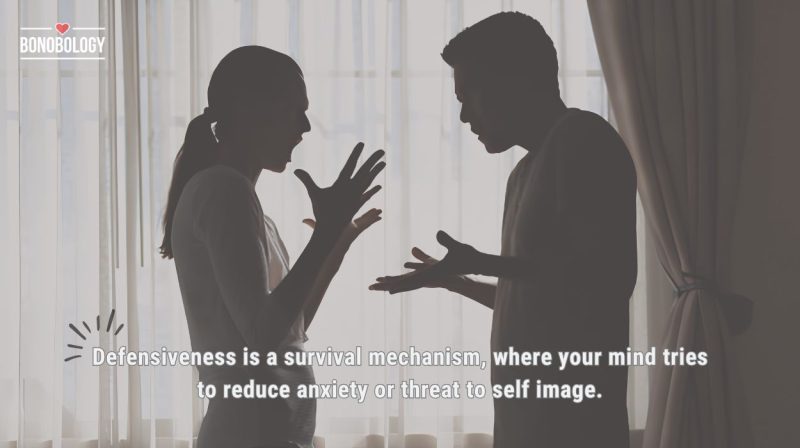
Kā tikt galā ar aizsardzības pozīcijas trūkumu attiecībās: ceļvedis
Man ir 30 gadi un man nekad nav bijusi draudzene: ko tu dari nepareizi
Imago terapija: kas tā ir, kā tā darbojas, ieguvumi un apsvērumi
Banksying iepazīšanās laikā: ko tas nozīmē un kā to atpazīt
Vai es pārāk ātri virzos uz priekšu pēc laulātā nāves — kā izlemt
15 pazīmes, ka jūs atkal būsiet kopā ar savu bijušo (-o)
Kā pārvarēt uzticības problēmas — terapeits dalās ar 9 padomiem
Uzziniet, kā piedot sev, ka nodarāt pāri kādam, kuru mīlat
Kā atrast mieru pēc apkrāpšanas — 9 terapeita padomi
Kā tikt galā ar krāpjošu vīru
35 satraucošas gāzes aizdedzes pazīmes attiecībās
Kas ir narcistisks spoku veidojums un kā uz to reaģēt
“Mans vīrs sāk kauties un pēc tam vaino mani”: veidi, kā tikt galā
Kā atjaunot savu dzīvi pēc laulātā nāves: 11 ekspertu atbalstīti padomi
Mans vīrs nomira, un es vēlos viņu atpakaļ: bēdu pārvarēšana
“Vai es esmu nemīlams” — 9 iemesli, kāpēc jūs jūtaties šādi
11 pazīmes, kas liecina, ka jūsu draudzene pagātnē tika seksuāli izmantota, un kā viņai palīdzēt
Šķiršanās risināšana: obligātās šķiršanās lietotnes jūsu tālrunim
15 pazīmes, ka jūs tērējat savu laiku, mēģinot atgūt savu bijušo