

When suspicion and trust issues come up in a relationship, many people resort to asking tough relationship questions rather than direct accusations. You think of trick questions to ask a cheater because making a full-on confrontation is emotionally hard. Instead of outright accusing your partner of cheating, these indirect questions let you observe their reactions and spot inconsistencies or signs of guilt.
Eramateko Azkarra
Trick questions are subtle, indirect questions that test consistency, body language, and reactions when someone may be hiding an affair. Some trick questions to ask a cheater are:
- “Who were you texting last night?”
- “Did anything interesting happen at work today?”
- “What would you do if someone flirted with you?”
How Do These Trick Questions Work?
Edukien aurkibidea
Psychologically, a great deal of mental gymnastics is required for lying. A person who has cheated needs to:
- Suppress the truth
- Fabricate details
- And keep track of their web of lies
Surprise or unusual questions can put them under pressure, causing slip-ups. Here’s why these questions are effective:
- Testing memory: Asking an off-script question forces them to recall details. Liars may forget minor details or make mistakes under pressure
- Spotting contradictions: When forced to answer unexpectedly, a cheating partner might contradict a detail they shared before. Inconsistent stories often mean they are lying
- Body language cues: Nonverbal signals are also a good tell. Cheaters often show nervous body language like fidgeting, sweating, crossing arms defensively, or avoiding eye contact
- Emotional reactions: Sudden anger or defensiveness when asked a simple question is a bandera gorria. Overly aggressive or unusually sarcastic replies can show guilt or an attempt to deflect suspicion
Through these trick questions that catch them off-guard, you take advantage of the extra mental effort needed to lie. Under pressure, liars will likely stumble, change their story, or show guilty behavior if caught off guard.
A nationally representative U.S. survey conducted by the Survey Center on American Life in 2023 revealed that 46 percent of women and 34 percent of men report that a partner or spouse has ever cheated on them.
Signs Your Partner Might Be Cheating
You’d only ask these trick questions to your partner if you suspect that they are cheating, right? How’d you get that suspicion in the first place? Here are some common relationship red flags of infidelity to look out for:
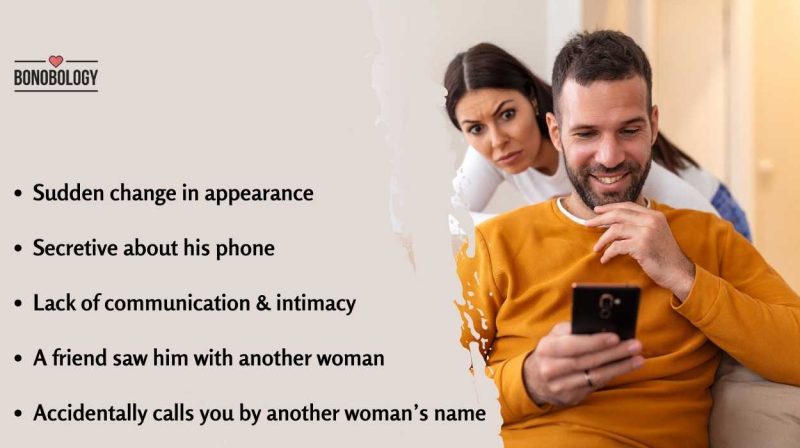
- Increased secrecy with phone or computer including deleting texts, mezularitza sekretua, and hiding phone activity
- Unexplained absences or staying late at work
- Errutinan bat-bateko aldaketak
- Distantzia emozionala
- Unusually defensiveness or irritability when asked about mundane details
- Surfing the internet at odd hours
- Suddenly caring a lot more about privacy (locking screens, changing passwords)
Though none of these alone mean guaranteed cheating, a combination of them is cause for concern. So don’t overthink it but don’t be too naive either.
40 Trick Questions To Ask A Cheater
Now, let’s come to the main issue. How do you catch a cheater in their own lie? Here are 40 carefully crafted trick questions to ask a cheater, divided into categories. Use them subtly in normal conversation to gauge your partner’s reaction and spot inconsistencies.
Casual innocent questions
These questions sound harmless and mundane but can catch a cheater off guard as they require your partner to remember a lot of minor details. These questions also fit naturally into a daily chat so the cheater doesn’t realize they are being suspected.

- “What did you do after work today?”
- “Who were you with at lunch yesterday?”
- “Why were you online so late last night?”
- “How was your day? Anything out of the ordinary?”
- “Can you walk me through your evening last night?”
- “I saw a text pop up from [friend’s name]. What was that about?”
- “Who’s that new contact in your phone under just an initial?”
- “Any interesting dreams lately?”
Lotutako Reading: Urrutiko Harreman Batean Iruzurra – 18 Seinale Sotil
Timeline questions
These questions force them to clarify timing and details, often leading to inconsistent answers if they’ve lied before.

- “What time exactly did you leave the office yesterday?”
- “Who was with you when you left work last night?”
- “What time did you get home? I thought I heard you later on the phone”
- “Why did your routine change on Wednesday? You came home way later”
- “When we last talked about Friday plans, you said [A]. Did something come up?”
- “I tried reaching you at 8pm, but it went to voicemail. Where were you exactly?”
- “You said you’d be free by 9pm, but you weren’t home until 10. What happened in between?”
- “When’s the last time you saw [friend/colleague involved]? Are they connected to your new schedule?”
Lotutako Reading: 7 iruzurgile motak – Eta zergatik egiten duten iruzur
Social media and phone questions
These questions focus on the digital trail of a relationship. These are most likely to get them to be defensive or angry if they’re zerbait ezkutatzen.

- “I noticed [person] liked your photo last night. How do you know them?”
- “Your phone buzzed earlier from an unknown number; who was that?”
- “There was a strange contact name I found on your phone. Mind telling me who they are?”
- “Why did you delete that message before I saw it?”
- “Is there a reason certain conversations or group chats are hidden on your phone?”
- “Did you see [X] story on Instagram? You didn’t reply”
- “Who’s the person in the profile picture of [mystery datazio aplikazioa or social profile you found]?”
- “I saw you were active on [social app] at midnight. What was happening then?”
Lotutako Reading: Emakume infidel baten 17 ezaugarri
Hypothetical questions
hauek hypothetical questions frame cheating in a hypothetical scenario. They can show how your partner thinks or feels about infidelity without putting an accusation on them.

- “If someone at work had feelings for you, would you tell me about it?”
- “What would you do if a coworker started flirting with you?”
- “Do you think emotional cheating counts? Like texting an ex sometimes?”
- “If I suddenly started acting secretive, what would you think?”
- “What are some things you think could tempt a person to cheat?”
- “How would you react if I told you I was feeling insecure about our relationship?”
- “If you ever cheated without telling me, what do you think should happen?”
- “Would you ever forgive me if I betrayed your trust?”
Lotutako Reading: Aditu batek harreman batean infidelitatea egitearen 9 ondorio zerrendatzen ditu
Reverse psychology questions
These questions are especially clever as they lead with trust or downplay your concerns, prompting your partner to give an overdefensive answer.

- “You’d tell me if something was really wrong in the relationship, ezta?”
- “Everything’s cool with you and [ex or friend], isn’t it?”
- “You don’t feel the need to hide anything from me, do you?”
- “I know you value honesty. So if I asked if you ever lied to me, you’d be honest?”
- “You have never thought about cheating, have you?”
- “I trust you completely. You trust me the same, right?”
- “You don’t have to open your phone to me if you don’t want—are we still on good terms?”
- “You wouldn’t want me to assume the worst about you, would you?”
Lotutako Reading: Nola ezkutatzen dituzten iruzurgileak beren arrastoak — 15 seinale argigarri
How To Ask These Questions Without Starting A Fight
Even carefully phrased trick questions can sound accusing if asked angrily, bluntly, or out of the blue. You need to find the right tone and timing if you don’t want to escalate the matter without knowing the complete truth. Here are some tips on how to approach him with these questions:
- Find a private time when you’re both relatively stress-free
- Mantendu lasai
- Keep your body language open to avoid provoking defensiveness
- Speak in a neutral tone
- And raise one question at a time
- Don’t pounce on multiple questions at once like an investigative interview
- If your partner does become defensive or upset, remain composed
- Don’t attack or make ultimatums in the heat of the moment. Take your time to decide what you want to do next
What Reactions To Look For
With these trick questions, you may not always get a contradicting answer or a direct confession and have your ‘aha’ moment. What is more likely to happen is that they would try to justify or prove their innocence but their body language would betray them. So, when you ask these questions, watch your partner closely. Certain reactions can be very telling:
| Erreakzio | Zer Esan Lezake |
| Overly defensive or angry | This can be a result of guilt or discomfort |
| Changing or inconsistent story | This suggests they’re making things up right now or had lied earlier and forgot the details |
| Begi-harremana saihestea | That’s a classic sign of nervousness or evasion |
| Excessive fidgeting | That’s anxiety; they are hiding something and are worried about getting caught |
| Turning the question around | A common deflection tactic; they try to attack your question instead to distract you and avoid answering |
| Quick reassuring lies | Gehiegi hitz gozoak can possibly be an overcompensation for guilt |
What To Do If You Discover Cheating
If your trick questions reveal evidence of infidelity or you feel certain, take measured steps rather than reacting on impulse.
- First, gather facts and stay calm. Jumping to confront without evidence often backfires
- Check your partner’s answers for consistency and see if any prove untrue
- Keep a clear record of what was said
- Next, prepare yourself emotionally; infidelity causes trauma, so ensure you have support from friends, family, or even a counselor
- Once you feel confident in the facts, confront them and have a serious conversation
Maintain your composure; losing control can affect your standing and give them an upper hand
- Finally, decide on next steps for your relationship. Infidelity can mean different things for different couples
- Your choice will depend on the severity of the betrayal and the willingness of both partners to work on it
- If your partner shows remorse and both commit to transparency, some couples even rebuild a stronger trust
- Regardless, make sure to prioritize your own well-being. Lean on trusted friends or a therapist to cope with the emotional pain and to help you make the best decision for your future
Common Mistakes When Trying To Catch A Cheater
We’ve covered all the different aspects of what you should do. But we would also like to warn you about some of the common mistakes that people make. These errors can worsen the situation so you should try to avoid them.
- Accusing without evidence: If you confront with “I know you cheated,” your partner may shut down or deny everything. So, get some solid proof first so they can’t gaslight you
“Get positive proof first. Then see a lawyer. Then separate your bank accounts. Get all of your ducks in a row BEFORE confronting them.”
- Reddit erabiltzailea
- Sneaking through their devices: Checking a phone or email without permission can destroy trust and even be illegal in some places. It also might confirm nothing if they already erased evidence
- Pummeling with too many questions: Rapid-fire or interrogative tone provokes defensiveness and can make them put their guards up. Pace your questions naturally
- Jumping to conclusions too fast: Reactionary moves like changing your locks, moving out immediately, etc. can close lines of communication. First try calmly asking, then plan next steps with clarity. However, if you’re in an harreman abusiboa and feel like asking directly can put you in danger, put your safety first and do what feels right
- Getting emotional or vengeful: Yelling, crying, or plotting revenge just escalates conflict. It’s painful, but try to stay factual and composed so you can make the right decisions
By sidestepping these common mistakes, you maintain the moral high ground and keep the door open for truth, discussion, or resolution, rather than blowing everything up.

Maiz egiten diren galderak
The most revealing questions are open-ended ones that catch them by surprise. For example: “Why did you stay at [place] later than usual yesterday?” or “Who is [name you found on their phone]?” These can expose inconsistencies without sounding accusatory.
They can provide strong clues. By observing how your partner reacts, you test their story. If they become defensive, tell a lie, or change their story in subtle ways, it suggests they might be hiding something.
Cheaters often become defensive, angry, or avoidant. They may attack you back, deny everything forcefully, or try to deflect blame. Some might even over-justify themselves or say things like “Why are you doing this?” to reverse the accusation.
While every situation is different, asking indirect questions first can be less confrontational and give you information. Direct confrontation without evidence can make them shut down or lie more. Usually, it’s better to ease into the conversation gently, as one therapist advises, by sharing your feelings and asking for honesty.
Stay calm and listen. If they confess, consider seeking couples counseling or expert advice to work through it. Decide with a clear head whether you want to try rebuilding trust. Remember, professionals note that with effort and honesty, around 60-75% of couples who seek help after an affair stay together.
Gako erakusleak
- Cheaters often lie to keep their secret but that requires them to remember a lot of tiny details about the lie they told
- To catch a cheater, you can keep track of the excuse they tell you and question them later to catch any inconsistencies
- Ask these questions in a calm manner so they can’t tell that you suspect them
- Notice their body language when they answer and look out for nervous tics
Final Pensamientos
Getting cheated on is heartbreaking and if you suspect your partner is hiding something, we’re sorry that you are going through this. However, not all lies mean they are cheating. To confirm your suspicion, we’ve provided a list of questions you can ask your partner. Once you’re sure enough and have enough proof, confirm them directly and decide on how you want to deal with the situation.
13 erruduntasun seinale iruzurra direla eta, kontuan hartu behar dituzunak
Mikro-iruzurraren 33 seinale — Zure bikotekidea erruduna al da hauetaz?
Zure ekarpenak ez du ongintzazko ekintzarik osatzen dohaintzaHorri esker, Bonobology-k informazio berria eta eguneratua eskaintzen jarraitu ahal izango du, munduko edonori edozer gauza egiten ikasten laguntzeko ahaleginean.














Nabarmenduak
Senar infidel bat nola harrapatu: gida praktiko eta etikoa
19+ iPhonerako gehien erabiltzen diren iruzur aplikazioak
11 seinale bihotz-hausgarri bere alboko txita maite duela erakusten dutenak
Nork egiten du gehiago iruzur, gizonek ala emakumeek? Datuek diotena
11 aplikazio senarrari infidelak emateko: harrapa ezazu eskuak betean dituela
Noiz konturatzen dira iruzurgileak akats bat egin dutela? 10 egoera
5 Ezkontide Infidelen Jarraipen Aplikazio Onenak (Android eta iPhone)
Nola harrapatu dena ezabatzen duen iruzurgile bat: 12 trikimailu
Mikro-iruzurraren 33 seinale — Zure bikotekidea erruduna al da hauetaz?
7 gauza egin ditzakezu zure mutil-lagunak engainatzen bazaitu
11 seinale bihotz-hausgarri zure senarrak bere maitale bikotekidea faltan botatzen duela erakusten dutenak
Barkatu beharko zenuke iruzurra egiten duen bati? Kontuan hartu beharreko 8 faktore
Nola jakin dezakezu zure bikotekidea infidel egiten ari den? 15 seinale kontuan hartu beharrekoak
Ezkontza ez al da inoiz berdina infidelitatearen ondoren?
13 iruzur egiten duten seinale ezohiko, jendeak ez lukeela kontuan hartu nahi izango
15 telefono mugikorreko iruzur seinale infidelitatea baieztatzen dutenak
Iruzur egiten ari dela susmoa duzu, ez dago frogarik? 31 seinale zure sena ondo dagoela
Tximinoen adarkatzea: esanahia, zeinuak eta aurre egiteko moduak
Mezu mingarria mutil-lagun infidel bati: 50 ideia bikain
Ligatzea iruzur egitea al da? 9 arrazoi zergatik den eta 7 modu zure harremana kaltetu dezakeen