

Sikap defensif dalam hubungan terjadi ketika Anda menganggap keluhan sebagai serangan dan sistem saraf Anda langsung masuk ke mode perlindungan diri. Alih-alih menyerap apa yang dikatakan pasangan Anda, Anda mulai melindungi citra Anda, niat Anda, atau "sisi cerita" Anda. Itulah mengapa percakapan dengan cepat berubah menjadi saling menyalahkan, alasan, dan dua orang berbicara tanpa saling mendengarkan.
Sikap defensif ini menyebabkan masalah yang tidak terselesaikan, luka emosional, dan rasa dendam karena tidak satu pun dari Anda merasa didengarkan. Yang membantu adalah memahami alasan di baliknya dan memperbaiki kesenjangan dalam komunikasi Anda sesuai dengan itu. Berikut panduan lengkap untuk membantu Anda.
Sikap defensif dalam hubungan adalah respons perlindungan diri yang muncul ketika Anda merasa dikritik atau diserang, tetapi alih-alih menyelesaikan konflik, sikap ini justru memperburuknya. Seringkali terlihat seperti menyalahkan, mencari alasan, atau melakukan serangan balik. Kunci untuk memutus pola ini adalah kesadaran sederhana dan sedikit perubahan:
- Berhenti sebentar
- Bertanggung jawablah atas bagianmu
- Dan fokuslah pada memahami pasangan Anda daripada membela diri.
Seperti Apa Bentuk Sikap Defensif dalam Hubungan?
Daftar Isi
Sikap defensif adalah pola melindungi diri dari segala bentuk kritik karena Anda menganggapnya sebagai serangan pribadi, bukan sekadar umpan balik. Untuk menghentikan ketidaknyamanan tersebut, Anda:
- Menjelaskan
- membenarkan
- Fakta yang benar
- Saling menyalahkan
- Atau jadikan dirimu korban.
Masalahnya adalah "respons perlindungan diri" ini biasanya terlihat seperti upaya mengalihkan kesalahan kepada orang lain, meskipun Anda tidak bermaksud demikian.
Bacaan Terkait: Ketika Seorang Wanita Merasa Diabaikan dalam Hubungan | Apa yang Harus Dilakukan
Salah satu cara yang berguna untuk memahami makna sikap defensif dalam hubungan adalah dengan melihatnya sebagai tumpang tindih antara psikologi dan fisiologi:
- Secara psikologis, hal ini mirip dengan mekanisme pertahanan atau pertahanan ego, di mana pikiran Anda mencoba mengurangi kecemasan atau ancaman terhadap citra diri.
- Secara fisiologis, hal ini sering kali tampak seperti respons terhadap ancaman. Otak dan tubuh dapat menganggap momen-momen tertentu dalam suatu hubungan sebagai "bahaya," mengaktifkan sistem stres yang mempersiapkan Anda untuk melawan atau melarikan diri.
Ketika Anda berada dalam kondisi tersebut, komunikasi defensif sering kali meliputi:
- Gangguan singkat
- Pemeriksaan fakta yang ketat
- Nada lebih keras
- Or mematikan
Contoh-contoh sikap defensif
Jika Anda bersikap defensif dalam suatu hubungan, kata-kata tersebut biasanya terdengar seperti pembelaan diri, tetapi dampaknya seringkali terasa seperti pengabaian bagi pasangan Anda. Berikut adalah jenis pernyataan yang muncul berulang kali dalam pertengkaran pasangan :
- "Itu bukan salahku."
- “Kamu selalu melakukan ini juga.”
- “Aku sibuk, apa yang kau harapkan?”
- “Bukan itu yang terjadi. Kamu salah mengingatnya.”
- “Jadi sekarang akulah orang jahatnya. Bagus sekali.”
- “Baiklah, kurasa aku memang tidak pernah bisa melakukan apa pun dengan benar.”
- “Mengapa kamu menyerangku?”
- “Jika kamu sudah melakukan bagianmu, ini tidak akan menjadi masalah.”
Anda juga dapat mendengar sikap defensif melalui isyarat nonverbal:
- Mata berputar
- mendesah
- Menyeringai
- Berpaling
- Atau nada yang tegang dan sarkastik.
Sinyal nonverbal sangat memengaruhi bagaimana pesan ditafsirkan dan dapat memperburuk situasi.
“Ketika Anda bersikap defensif, itu adalah respons melawan atau lari Anda yang aktif karena Anda merasa diserang dan bagian otak yang berfungsi untuk berpikir menjadi mati.”
– Pengguna Reddit
Tanda-Tanda Sikap Defensif dalam Sebuah Hubungan
Perilaku defensif dalam hubungan biasanya mudah dikenali setelah Anda tahu apa yang harus dicari. Perilaku ini cenderung mengikuti pola di mana fokus bergeser dari memahami masalah ke melindungi diri sendiri. Alih-alih terlibat dengan apa yang dirasakan pasangan Anda, pikiran Anda beralih ke respons perlindungan diri. Anda mungkin bahkan tidak menyadarinya saat itu, tetapi reaksi Anda mulai terdengar berulang, hampir otomatis.
Anda akan sering melihat beberapa perilaku ini terjadi bersamaan, terutama selama konflik:
- Menyalahkan pasangan Anda atas tindakan atau perasaan Anda
- Mencari-cari alasan untuk menghindari tanggung jawab
- Melakukan serangan balik atau mengalihkan kesalahan
- Menyangkal tanggung jawab atau mengecilkan peran Anda
- Berperan sebagai korban yang tidak bersalah agar orang lain mundur.
- Berdebat mengenai fakta dan detail alih-alih membahas isu emosional.
- Menginterupsi dan menumpuk bukti, seolah-olah Anda sedang membangun kasus di pengadilan.
- Menutup, pergi, atau penolakan emosional ketika kewalahan

Mengapa Pasangan Bersikap Defensif?
Pada intinya, sikap defensif dalam hubungan adalah hasil dari kesalahpahaman makna di balik kata-kata atau komunikasi yang buruk. Pasangan Anda menyampaikan suatu masalah, tetapi otak Anda menerjemahkannya menjadi sesuatu yang lebih kasar:
- “Saya memiliki kekhawatiran” berubah menjadi “Anda mengecewakan saya.”
- “Ini menyakitiku” berubah menjadi “Kamu orang jahat.”
- “Bisakah kita membicarakan ini?” berubah menjadi “Kamu akan dipermalukan.”
Begitu Anda merasa diserang, reaksi emosional Anda akan meningkat, dan komunikasi defensif menjadi otomatis.
Bacaan Terkait: Apa yang Harus Dilakukan Jika Anda Merasa Terputus dari Pasangan Anda?
1. Merasa diserang atau dikritik
Kritik adalah salah satu pemicu yang paling konsisten. Ketika suatu topik diangkat dengan cara yang kasar dan menyalahkan, sikap defensif adalah reaksi yang umum. Jika Anda ingin mengurangi sikap defensif, Anda tidak hanya perlu mengatasi orang yang bersikap defensif tersebut. Anda juga perlu mengurangi kritik yang dirasakan dengan mengubah cara isu-isu tersebut diangkat. Itulah mengapa "pendekatan yang lembut" dan penggunaan kalimat "Saya merasa" menjadi penting.
“Ada pertanggungjawaban di kedua sisi pola komunikasi yang merusak pernikahan ini. Pembicara bersalah karena mengangkat masalah ini dengan cara yang tidak sehat dan kritis, dan pendengar bersalah karena bereaksi defensif, dengan menolak tanggung jawab atas peran mereka dalam masalah tersebut.”
– TyaCamellia Stone, Terapis Pernikahan dan Keluarga Berlisensi
2. Melindungi harga diri
Sikap defensif pada dasarnya adalah upaya penyelamatan harga diri. Anda mencoba menghindari rasa malu. Mengakui kesalahan dapat memengaruhi harga diri Anda secara keseluruhan, bahkan jika pasangan Anda tidak bermaksud demikian.
Di sinilah gestur kecil untuk membangun rasa aman secara emosional , seperti saling menghargai, sangat membantu.
- Ketika Anda merasa dihargai, kritik sesekali tidak akan menghancurkan harga diri Anda.
- Ketika Anda merasa terus-menerus dievaluasi, Anda akan lebih defensif.
Bacaan Terkait: 7 Faktor Prediktor Perceraian yang Harus Anda Ketahui
3. Pola penanggulangan masalah pada masa kanak-kanak
Seperti banyak rasa tidak aman dan tanda bahaya lainnya, sikap defensif bisa jadi akibat trauma masa kecil. Jika bersikap defensif melindungi Anda di masa kecil dari masalah, kekacauan, atau rasa sakit emosional, tidak mengherankan jika Anda yang dewasa kini berpegang teguh pada kebiasaan itu. Anda takut pasangan Anda akan kehilangan cinta atau meninggalkan Anda karena kesalahan yang telah Anda lakukan, dan ini adalah satu-satunya mekanisme penanggulangan yang Anda ketahui.
“Aku merasa tidak aman karena takut ditinggalkan. Aku khawatir niatku akan disalahartikan, jadi aku merasa perlu membela diri agar tidak ditinggalkan.”
- Pengguna Reddit
Bagaimana Sikap Defensif Merusak Hubungan
Intinya, sikap defensif dalam hubungan melindungi Anda dari ketidaknyamanan; tetapi juga mencegah perilaku yang justru membangun kepercayaan: akuntabilitas, empati, perbaikan, dan pemecahan masalah . Jadi, meskipun tampaknya bermanfaat dalam jangka pendek, sikap defensif akan merusak hubungan Anda di kemudian hari. Mari kita pahami ini sebagai rantai sebab dan akibat:
- Ketika Anda bersikap defensif, konflik akan meningkat alih-alih terselesaikan.
- Sikap defensif cenderung memicu intensitas yang lebih besar dari orang lain karena mereka merasa diabaikan atau disalahkan.
- “Membela diri” seringkali berubah menjadi “menyalahkan pasangan,” dan perdebatan pun semakin memanas.
- Sekarang, perdebatan menjadi fokus utama dan masalah sebenarnya dikesampingkan dan diabaikan.
- Akibatnya, luka emosional tercipta dan rasa dendam terus tumbuh di setiap pertengkaran.
- Itulah kerusakan intinya: masalahnya tidak pernah ditangani, dan hubungan tetap terpengaruh.
- Ketika pasangan Anda merasa tidak didengarkan, mereka akhirnya berhenti membicarakan masalah tersebut.
- Ketika hal ini menjadi rutinitas, Anda akan mendapatkan jarak emosional. Menjadi lebih aman untuk tetap diam, terpisah, atau menyimpan dendam daripada mencoba memperbaiki keadaan.
- Seiring waktu, hal ini menciptakan perasaan "berjalan di atas kulit telur": kalian berdua menghindari topik-topik tertentu karena kalian sudah tahu bagaimana skenario akhirnya.

Sikap defensif dalam pernikahan bisa sangat merusak karena masalah yang sama yang belum terselesaikan terus muncul kembali:
- Pekerjaan rumah
- Parenting
- Uang
- Keintiman
- Waktu
- Mertua
Pertengkaran menjadi mudah ditebak dan melelahkan, dan Anda mulai membangun narasi negatif tentang motif pasangan Anda.
Sikap defensif sebagai salah satu dari empat penunggang kuda Gottman.
John Gottman dan Julie Gottman, psikolog dengan penelitian yang berfokus pada stabilitas pernikahan, telah menggambarkan Empat Penunggang Kuda, gaya konflik destruktif yang memprediksi keruntuhan hubungan. Empat Penunggang Kuda tersebut adalah kritik, penghinaan, sikap defensif, dan sikap menutup diri.
Cara Menghentikan Sikap Defensif dalam Sebuah Hubungan
Jika Anda menginginkan perubahan yang benar-benar bertahan lama, Anda perlu bekerja pada dua tingkatan: tubuh terlebih dahulu, pola pikir kedua. Ketika sistem Anda teraktivasi, Anda tidak bisa menenangkan diri hanya dengan berbicara. Anda harus menenangkan diri terlebih dahulu agar bisa berbicara dengan lebih baik. Berikut beberapa langkah praktis yang akan membantu Anda keluar dari siklus ini.
1. Bertanggung jawablah meskipun hanya sebagian.
Mulailah dari sini karena ini adalah alat de-eskalasi tercepat. Penawar sikap defensif adalah menerima tanggung jawab atas peran Anda dalam situasi tersebut, meskipun hanya sebagian dari konflik.
Ini berhasil karena mengubah makna emosional dari momen tersebut. Pasangan Anda berhenti merasa harus membuktikan realitas mereka. Mereka mulai merasa bahwa kalian berdua berada di pihak yang sama.
Contoh skrip praktis yang benar-benar bisa Anda ucapkan:
- “Anda benar soal bagian itu. Saya melewatkannya.”
- “Saya mengerti bagaimana itu bisa menimbulkan reaksi negatif. Saya tidak bermaksud demikian, tetapi saya paham dampaknya.”
- “Aku mulai bersikap defensif. Beri aku waktu sebentar. Aku ingin mendengarmu.”
Jika Anda terjebak dalam sikap defensif dalam pernikahan, keterampilan ini dapat mengubah suasana emosional seluruh rumah karena membuat konflik terasa lebih mudah diatasi kembali.
Bacaan Terkait: 16 Tanda Pria yang Tidak Percaya Diri dan Cara Menghadapinya
2. Berhenti sejenak sebelum bereaksi
Berhenti sejenak bukan berarti Anda menerima tanggung jawab penuh. Anda hanya memberi waktu pada sistem saraf Anda untuk tenang sehingga Anda dapat memilih respons yang tepat. Ancaman yang dirasakan, atau potensi konflik dalam hal ini, mengaktifkan serangkaian reaksi di otak dan tubuh yang terjadi dengan cepat, terkadang sebelum Anda dapat secara sadar memproses apa yang sedang terjadi. Itulah mengapa Anda bisa merasa seperti dibajak begitu cepat. Jadi, sebelum Anda merespons:
- Ambil satu tarikan napas perlahan sebelum Anda berbicara.
- Turunkan bahumu
- Kendurkan rahangmu
- Katakan, “Saya ingin memberikan respons yang baik. Izinkan saya berpikir sejenak.”
Jika Anda kesulitan mengatur emosi, jeda ini akan sangat membantu dalam penyelesaian konflik.
Bacaan Terkait: Apa yang Harus Dilakukan Saat Hubungan Anda Berada di Ambang Kehancuran?
3. Validasi perasaan pasangan Anda
Memvalidasi perasaan pasangan Anda bukan berarti Anda mengakui bahwa Anda salah. Ini hanyalah cara untuk membuat mereka merasa didengar. Hal ini penting karena banyak pertengkaran sebenarnya bukan tentang fakta, melainkan tentang ketidaksesuaian emosional.” Ketika pasangan Anda sedang kesal, mereka sering bertanya, “Apakah aku penting bagimu saat ini?” Validasi dapat berupa:
- “Masuk akal. Saya mengerti mengapa Anda merasa seperti itu.”
- “Aku mengerti. Kamu merasa diabaikan.”
- “Saya tahu ini penting. Ceritakan lebih lanjut.”
Dengan validasi emosional , Anda beralih dari bahasa yang bersifat evaluatif dan mengontrol menuju empati dan orientasi pemecahan masalah, yang cenderung mengurangi sikap defensif.
Cobalah mengganti respons refleks Anda dengan pertanyaan yang memaksa otak Anda untuk mendengarkan:
- “Bagian mana dari ini yang paling menyakitimu?”
- “Apa yang kamu butuhkan dariku selanjutnya?”
- “Apakah ini tentang peristiwa spesifik tersebut, atau ada sesuatu yang lebih besar di baliknya?”
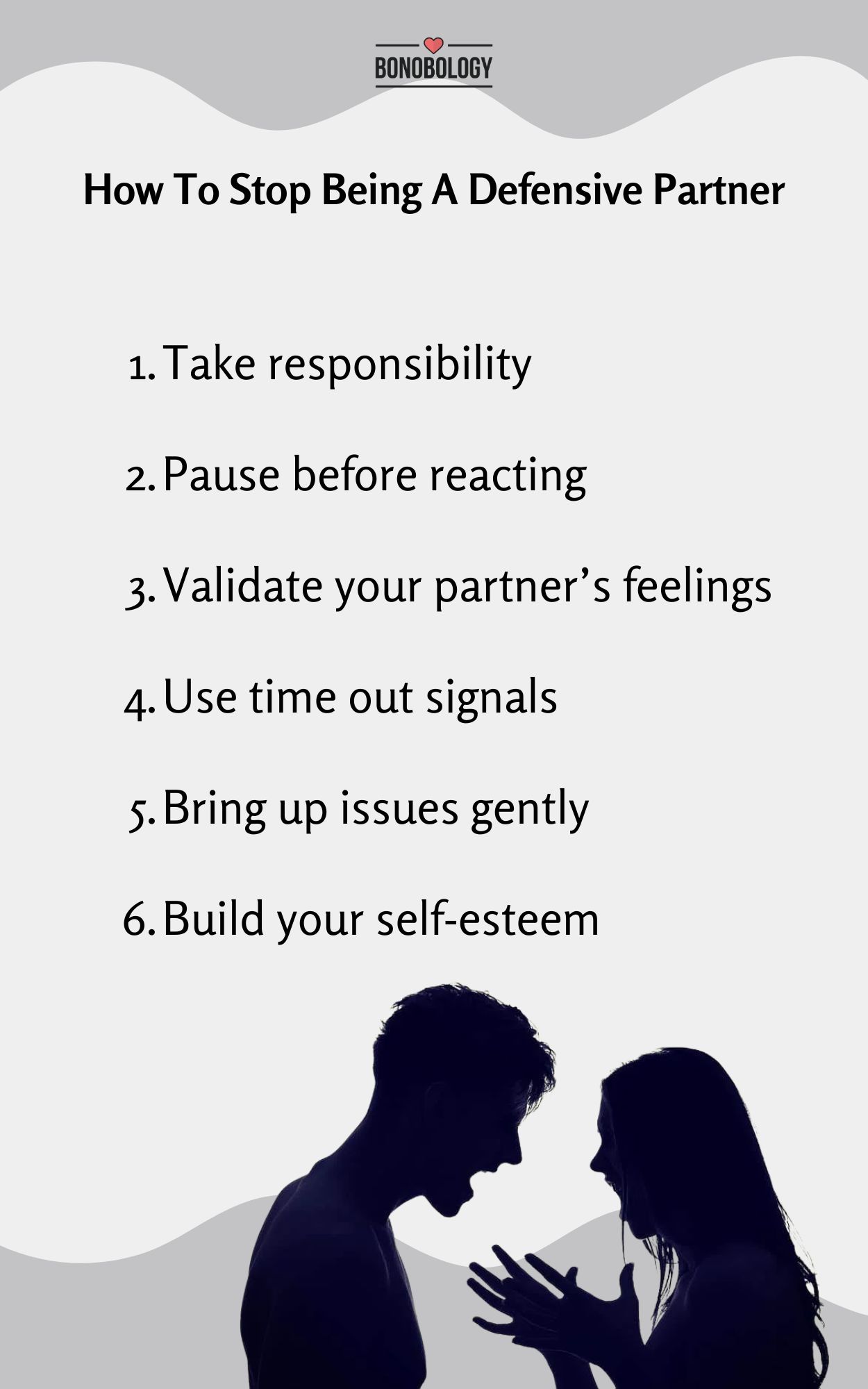
4. Gunakan sinyal waktu habis
Saat situasi memanas dan Anda merasa kehilangan kendali, Anda membutuhkan jalan keluar yang telah disepakati sebelumnya. Buatlah
Sinyal jeda, sebuah kata atau isyarat sederhana yang berarti "kita mulai bersikap defensif, kita perlu berhenti sejenak." Gunakan sinyal ini segera setelah Anda menyadari perubahan tersebut untuk mencegah keadaan menjadi di luar kendali.
Selama istirahat:
- Anda melakukan sesuatu yang menenangkan.
- Jangan terpaku pada masalah atau mempersiapkan argumen Anda di ruang sidang.
- Setelah Anda cukup tenang, kembalilah dan mulai kembali diskusi.
Ingatlah untuk tidak menggunakan waktu istirahat ini untuk menghukum pasangan Anda atau menghindari argumen tanpa batas waktu. Hal ini akan mengurangi efektivitasnya.
5. Gunakan pendekatan awal yang lembut saat Anda menyampaikan masalah.
Sejauh ini, bagian ini berfokus pada bagaimana pasangan yang defensif dapat memperbaiki diri. Namun, pasangan juga dapat mengurangi sikap defensif dengan mengubah cara masalah tersebut diangkat sejak awal.
Proses memulai dengan lembut terlihat seperti ini:
- Anda memimpin dengan perasaan.
- Jelaskan situasi tersebut tanpa menyalahkan siapa pun.
Dan sampaikan permintaan yang jelas.
Contohnya, “Saya merasa kewalahan jika dapur dibiarkan seperti ini semalaman. Saya perlu kita merapikannya sebelum tidur.”
Hal ini mengurangi persepsi kritik dan membuat pasangan Anda cenderung tidak bersikap defensif.
6. Bangun rasa aman internal dengan afirmasi diri singkat.
Penelitian tentang afirmasi diri menunjukkan bahwa ketika Anda berpegang teguh pada rasa diri yang stabil, Anda dapat menerima informasi yang mengancam dengan lebih sedikit sikap defensif. Jika Anda cenderung membela diri karena harga diri rendah dan karena setiap umpan balik terasa seperti Anda gagal, Anda dapat berlatih menegaskan nilai yang penting bagi Anda sebelum atau selama percakapan yang sulit. Berikut caranya:
- Pilihlah satu nilai yang ingin Anda jalani, seperti keadilan, pertumbuhan, loyalitas, ketenangan, atau kejujuran.
- Tanyakan pada diri sendiri: “Apa satu cara yang bisa saya lakukan untuk menerapkan nilai ini dalam kehidupan?”
- Kemudian, lanjutkan kembali percakapan dengan tujuan untuk memahami terlebih dahulu, baru kemudian menjelaskan.

Cara Menghadapi Pasangan yang Defensif
Jika pasangan Anda bersikap defensif, reaksi pertama Anda mungkin adalah:
- Dorong lebih keras
- Sebutkan buktinya
- Atau naikkan suara Anda agar "akhirnya dipahami"
Hal itu hampir selalu menjadi bumerang karena kritik cenderung memicu sikap defensif, yang kemudian memicu lebih banyak kritik. Berikut cara agar Anda tetap menjaga interaksi tetap bersih, tanpa menjadi pasif.
- Mulailah dengan nada emosional, bukan isi. Jika nada Anda menyiratkan kontrol atau superioritas, respons ancaman orang lain akan aktif lebih cepat.
- Gunakan pernyataan “Saya merasa” ditambah satu permintaan spesifik.
- Jangan berdebat soal fakta saat emosi sedang tinggi. Jika pasangan Anda sedang menyampaikan banyak fakta, Anda bisa berkata: “Kita bisa membahas detailnya nanti. Saya ingin membicarakan dampaknya terlebih dahulu.”
- Segera hentikan sejenak aktivitas Anda begitu Anda merasa kehilangan kendali.
- Jika pola tersebut kronis, bicarakan pola tersebut saat tenang. Dalam keadaan tenang, Anda dapat mengatakan: “Ketika saya menyampaikan kekhawatiran, Anda sering mengelak atau menunjukkan kesalahan saya, dan akhirnya saya... merasa diabaikan"
- Jika Anda menghadapi sikap defensif dalam pernikahan atau hubungan dan hal itu disertai dengan penghinaan, intimidasi, ancaman, atau penghinaan berulang, anggap itu sebagai masalah keamanan, bukan gaya komunikasi. Pada titik itu, kiat komunikasi umum tidak cukup, dan bantuan profesional adalah yang Anda butuhkan.
| Respon Defensif | Respons Sehat |
| Menyalahkan pasangan | Bertanggung jawab atas bagian mereka |
| Membuat alasan | Mengakui kesalahan dan berupaya untuk memperbaikinya. |
| Serangan balik | Mendengarkan secara aktif dan mengajukan pertanyaan klarifikasi. |
| Mengabaikan perasaan | Memvalidasi emosi dan menjaga koneksi. |
| Berdebat mengenai fakta | Berfokus pada dampak dan kebutuhan |
| Tutup atau ditutup karena badai | Menggunakan jeda waktu dan kembali tepat waktu. |
Pertanyaan Umum Demo Slot
Sikap defensif sesekali adalah hal biasa. Sikap defensif kronis adalah tanda bahaya karena menghalangi pertanggungjawaban dan membuat masalah tetap tidak terselesaikan. Jika setiap kekhawatiran berubah menjadi pengalihan kesalahan, perang fakta, atau pengabaian, hubungan tersebut kehilangan keamanan emosional, dan kebencian pun menumpuk.
Jika Anda terus bersikap defensif dalam suatu hubungan, mulailah dengan menyebutkannya secara langsung, kemudian berhenti sejenak, lalu akui peran Anda. Beristirahatlah selama 20 menit jika Anda merasa kewalahan, kembali saat sudah tenang, dan validasi apa yang dirasakan pasangan Anda sebelum Anda menjelaskan diri Anda. Urutan tersebut mengurangi ancaman dan menjaga hubungan tetap kuat.
Terkadang. Itu bisa jadi strategi mengatasi masalah lama yang membantu Anda saat kecil tetapi menyebabkan kerugian saat dewasa. Itu tidak membuat Anda "jahat." Itu berarti sistem saraf Anda secara otomatis beralih ke perlindungan diri. Kedewasaan adalah belajar untuk mentolerir ketidaknyamanan cukup lama untuk mendengarkan, bertanggung jawab, dan memperbaiki masalah.
Petunjuk Penting
- Sikap defensif dalam hubungan adalah reaksi protektif terhadap ancaman yang dirasakan, tetapi biasanya diartikan sebagai menyalahkan dan mengabaikan.
- Hal itu memperburuk konflik, menghambat akuntabilitas, dan menciptakan jarak emosional ketika masalah tetap tidak terselesaikan.
- Penawar tercepat adalah tanggung jawab sebagian, diikuti oleh validasi dan rasa ingin tahu.
- Sinyal "time out" dan istirahat menenangkan diri selama 20 menit dapat membantu ketika emosi sedang tinggi dan sulit untuk mendengarkan.
- Sikap defensif dalam hubungan dapat diubah, tetapi dibutuhkan latihan, bukan hanya pemahaman semata.
Pikiran Akhir
Sikap defensif dalam hubungan dapat secara diam-diam merusak bahkan hubungan yang kuat, seringkali tanpa Anda sadari saat itu. Apa yang terasa seperti melindungi diri sendiri biasanya merupakan reaksi terhadap kritik yang dirasakan, didorong oleh pemicu emosional, rasa tidak aman dalam hubungan, atau pola penanggulangan lama. Tetapi kenyataannya, tetap berada dalam lingkaran komunikasi defensif hanya akan menciptakan lebih banyak jarak dan kesalahpahaman. Perubahan dimulai ketika Anda berhenti sejenak, mengambil sedikit tanggung jawab, dan memilih untuk memahami daripada bereaksi.
Kontribusi Anda bukanlah sumbangan amal . Kontribusi ini akan memungkinkan Bonobology untuk terus memberikan informasi baru dan terkini dalam upaya kami membantu siapa pun di dunia untuk mempelajari cara melakukan apa pun.














Pusat
Bagaimana Terapi Dapat Memperkuat Hubungan Sebelum Masalah Memburuk
Tanda-Tanda Kurangnya Gairah dalam Hubungan: 15 Indikator Jelas yang Tidak Boleh Anda Abaikan
Saya berusia 30 tahun dan belum pernah punya pacar: Apa yang Anda lakukan salah?
Terapi Imago: Apa Itu, Bagaimana Cara Kerjanya, Manfaat dan Pertimbangan
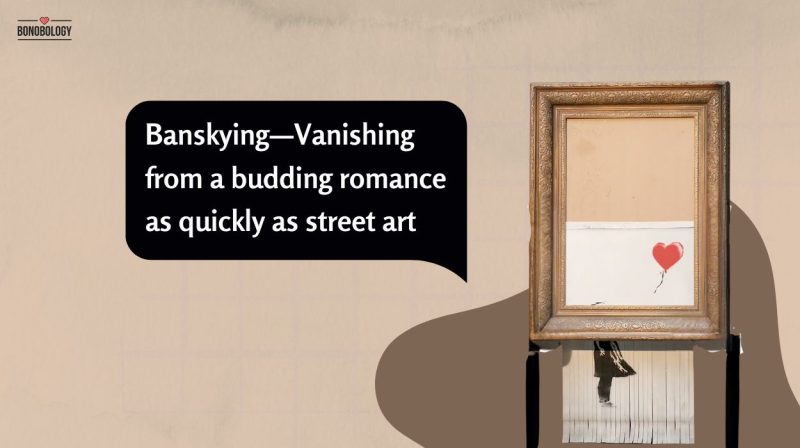
Banksying dalam Kencan: Apa Artinya dan Bagaimana Mengenalinya
Apakah Saya Terlalu Cepat Move On Setelah Kematian Pasangan—Bagaimana Memutuskannya?
15 Tanda Anda Akan Kembali Bersama Mantan
Cara Mengatasi Masalah Kepercayaan — Seorang Terapis Berbagi 9 Tips
Pelajari Cara Memaafkan Diri Sendiri Karena Menyakiti Seseorang yang Anda Cintai
Cara Menemukan Kedamaian Setelah Diselingkuhi — 9 Tips dari Terapis
Cara Menghadapi Suami yang Selingkuh
35 Tanda Gaslighting yang Mengganggu dalam Hubungan
Apa Itu Ghosting Narsistik Dan Bagaimana Menyikapinya
'Suami Saya Memulai Pertengkaran Lalu Menyalahkan Saya': Cara Mengatasinya
Cara Membangun Kembali Hidup Anda Setelah Kematian Pasangan: 11 Tips dari Pakar
Suamiku Meninggal dan Aku Ingin Dia Kembali: Mengatasi Duka
“Apakah Aku Tidak Layak Dicintai” – 9 Alasan Anda Merasa Seperti Ini
11 Tanda Pacar Anda Pernah Dilecehkan Secara Seksual di Masa Lalu dan Cara Membantunya
Mengatasi Putus Cinta: Aplikasi Putus Cinta yang Wajib Dimiliki di Ponsel Anda
15 Tanda Anda Membuang-buang Waktu untuk Mencoba Mendapatkan Mantan Anda Kembali