
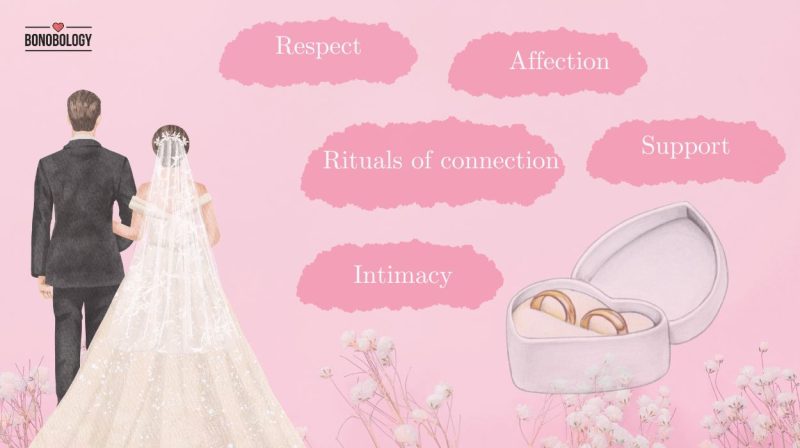
The sanctity of marriage refers to the emotional, moral, spiritual, and social value attached to marriage as a lifelong commitment. It emphasizes trust, loyalty, respect, emotional security, and shared responsibility between partners. While modern relationships have evolved, many couples still view marriage as a sacred bond built on love, commitment, and mutual growth.
What is the sanctity of marriage?
The sanctity of marriage means treating marriage as a meaningful and committed partnership based on love, loyalty, trust, respect, and emotional responsibility. Many cultures and religions consider marriage sacred because it creates stability, emotional security, and lifelong companionship.
What Does The Sanctity Of Marriage Mean?
Okuqukethwe
The sanctity of marriage means that the marriage is treated as something worthy of reverence, care, and moral seriousness, not merely as a legal arrangement or a social label.
- The word “sanctity” itself carries the idea of something holy, sacred, or inviolable
- While marriage in the broader social sense is also a legal and cultural institution that creates obligations between spouses and often around children and family life
- Put together, the phrase points to a union that people believe should be protected, honored, and lived with integrity
A lot of confusion around the sanctity of marriage comes from assuming the legal form and the moral meaning are the same thing. They are not. You can be legally married and still neglect the bond. You can also be secular and still treat your vows as sacred in the sense that they are binding on:
- Your conscience
- Your character
- And your daily choices
Ucwaningo shows in some couples, especially religious ones, seeing marriage as sacred is linked with stronger supportive coping and higher marital satisfaction.
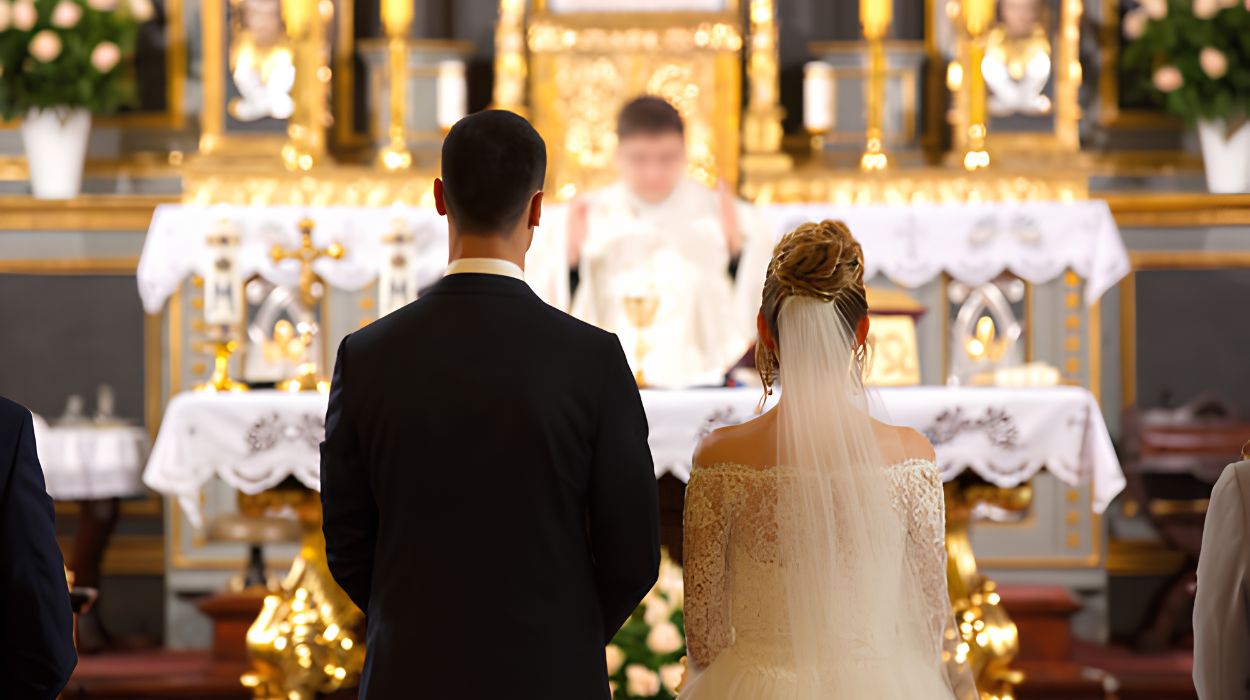
Why Is Marriage Considered Sacred?
People call marriage sacred for different reasons, but most of them cluster around the same idea: marriage asks two people to organize their private lives around trust, exclusivity, care, and long term responsibility. That can be understood emotionally, socially, religiously, and legally at the same time.
1. Emotional security and stability
One reason marriage is often treated as sacred is that close, committed relationships can become a major source of emotional safety. Ucwaningo on romantic relationships and mental health finds that more established, committed unions such as marriage are associated with greater mental health benefits than less committed unions such as cohabitation. Secure bonds also function as a safe haven in stress and a secure base from which people can face the world.
Ukufunda Okuhlobene: Uhlu Lokuhlola Lomshado Ojabulisayo Ongamaphuzu Ayisi-7 Okufanele Ululandele
2. Commitment beyond temporary attraction
Marriage is also considered sacred because it asks for a form of commitment that goes beyond chemistry, novelty, or mood. Attraction matters, but long marriages rarely survive on attraction alone. They last because partners keep responding to each other in moments that look small from the outside.
3. Building family and long term partnership
Marriage has long been treated as sacred because it is often tied to:
- Building a household
- Ukukhulisa izingane
- And creating continuity across generations
Children do not benefit from a marriage in name only. They benefit most from stable, low conflict, responsive homes. Ucwaningo has repeatedly found that, on average, children living with two married biological parents show more favorable outcomes than children in other family structures.
Ukufunda Okuhlobene: Izinto Eziyi-8 Eziza Kuqala Emshadweni
4. Trust, loyalty, and responsibility
The sacred language around marriage also comes from its exclusivity and duty. Fidelity is one part of that, but so is:
- Honesty,
- Ukulunga
- And financial accountability.
Married adults are more likely than cohabiting adults to say they have a great deal of trust in their partner to:
- Thembeka
- Act in their best interest
- Khuluma iqiniso
- And handle money responsibly
5. Spiritual significance in different religions
Religious traditions do not describe marriage in exactly the same way, but many give it a sacred frame.
- Catholic teaching describes marriage as a covenant and a sacrament ordered toward the good of spouses and the life of the family
- In Islam, the Quran describes spouses as sources of comfort, affection, and mercy
- Hindu tradition treats vivaha as a sacrament, a major life rite that consecrates the union
- In Jewish tradition, kiddushin literally carries the idea of sanctification
If you zoom out, you can think of marriage through four common lenses.
- Religion tends to frame it as covenant or sacrament
- Psychology often frames it as a bond that can provide ukuphepha ngokomzwelo
- Social science tends to view it as a family institution with consequences for adults and children
- Law treats it as a status carrying rights and responsibilities. None of these completely cancels the others
What Weakens The Sanctity Of Marriage?
Most marriages do not collapse from one dramatic moment alone. More often, they weaken through repeated violations of trust, safety, and care. Let’s look at some things that affect the sanctity of marriage.
1. Cheating
Affairs are one obvious example. Ucwaningo on divorce reasons has found that infidelity is often cited as a critical turning point in a deteriorating relationship, and an affair can cause intense pain even if some couples later rebuild.
2. Ukunganakwa ngokomzwelo
A marriage can look intact from the outside while the inner bond is wearing thin. This is what happens when bids for attention, comfort, or interest keep going unanswered. When one partner repeatedly turns away, the message lands as indifference. Couples need to understand relationships are built less by speeches and more by patterns of responsiveness.
Ukufunda Okuhlobene: Imithetho Emi-3 Yegolide Esiza Umbhangqwana Ukuze Ube Nomshado Ojabulisayo
3. Izinkinga zokuxhumana
Ukuntuleka kokuxhumana is rarely about silence alone. Often it is the loss of honest, direct, and respectful communication. Couples start:
- Ukucabanga
- Ukufunda ingqondo
- Ukugodlwa
- Or harboring resentment
Financial dishonesty can further intensify that damage.
4. Ukuhlukumeza
Abuse and disrespect destroy the moral core of the relationship. Emotional and ukuhlukunyezwa ngamazwi zihlanganisa:
- Attempts to scare
- Bahlukanise
- Thobisa
- Or control a partner
Remember, preserving a marriage never means enduring abuse. Your safety always comes first.

5. Iziphazamiso zedijithali
Digital distraction can also chip away at the bond. Ucwaningo on “technofinance” found that daily technology interruptions are associated with worse emotional and relational well being, and a 2025 meta analysis on partner phubbing found negative effects on relationship and marital satisfaction. ezokuxhum can also become a vehicle for:
- Imfihlo
- Umhawu
- Or online infidelity behaviors
Screens are not automatically the enemy, but they can quietly replace attention that your marriage actually needs.
6. Ukuntula ukusondelana
Intimacy includes sex, but it also includes:
- Ukuthandwa
- ngesisa
- Induduzo
- Ukudlala ngothando
- Ukuxhumana kwamehlo
- And the feeling that your partner still turns toward you with warmth
Ucwaningo locwaningo shows that many married adults rank a satisfying sexual relationship, shared interests, and shared chores as very important to a umshado ophumelelayo. When those dimensions go unattended for too long, distance grows.
Sanctity Of Marriage In Modern Relationships
Modern marriage is more complicated than the old sacred versus secular argument suggests. People now:
- Marry later
- Live together first
- Remarry after divorce
- Split income more equally
- And negotiate izindima zobulili
That means if you want to talk honestly about the sanctity of marriage, you have to talk about how marriage actually works today.
1. Love marriage vs arranged marriage
Public conversation often treats them as opposites, with love marriages assumed to be more authentic and arranged marriages assumed to be less intimate. The evidence is more complicated. A cwaningo of Indian Americans in the United States found no significant differences in love, satisfaction, or commitment between participants in imishado ehleliwe and those in love based marriages. What matters most may be less about the origin story and more about how the couple lives the relationship after marriage.
Ukufunda Okuhlobene: Ngomshado Nokuphila Ngokuhlanganyela Okujabulisayo Nomlingani Wakho
2. Gender roles
Gender roles are also changing fast. In 2022:
- 29 percent of opposite sex U.S. marriages were financially egalitarian
- 16 percent had wives as sole or primary breadwinners
- and 55 percent still had husbands as the sole or primary breadwinners
But economic equality has not automatically created domestic equality. Women still tend to carry more household and caregiving work, even in marriages where earnings are roughly equal. So modern reverence for marriage has to include fairness. You cannot call a marriage sacred while ignoring chronic inequity inside the home.
Ukufunda Okuhlobene: Izisekelo Ezi-7 Zokuzibophezela Emshadweni
3. Live-in relationships
Ubudlelwano obuhlala phakathi are another reality you cannot skip. Most Americans say cohabitation is acceptable even if a couple does not plan to marry, and more people now see marrying later in life as a positive trend than a negative one.
At the same time, married adults are more likely than cohabiting adults to say their relationship is going very well and to report a great deal of trust in their partner across fidelity, truthfulness, and money handling. In other words, living together is normalized, but many people still experience marriage as a deeper public and private commitment.
4. Remarriage after divorce
Marriage after divorce also matters here. A lot of people do not stop believing in marriage because one marriage ended. In the United States, 66 percent of divorced adults have gone on to remarry. That does not mean remarriage is easy. It often comes with:
- Imindeni ehlanganisiwe
- Izingane zokutholwa
- Financial complexity
- And bruised trust
It goes to show that the desire for enduring partnership remains strong.
Ukufunda Okuhlobene: Ishintshe Kanjani Incazelo Yomshado Ngokuhamba Kwesikhathi?
How Couples Preserve The Sanctity Of Marriage
Preserving marriage today is less about grand declarations and more about repeated habits. Imibhangqwana enempilo do not usually protect the bond by accident. They protect it through structure, restraint, honesty, repair, and ordinary affection.
1. Prakthiza ukwethembeka ngokomzwelo
Emotional honesty means telling the truth early instead of waiting until frustration turns into distance. That includes:
- Imizwa
- Ukwesaba
- Intukuthelo
- And money
Honesty about everything, even the small or embarrassing things, makes a marriage easier to live in.

2. Prioritize respect during conflict
Ukuhloniphana is one of the clearest tests of whether a marriage is being treated as sacred. You can disagree completely and still refuse:
- Ukudelela
- Ukululazeka
- Izinsongo
- Name calling
- Or involving the crowd
Ukufunda Okuhlobene: Izinkinga Eziyisi-8 Ezivamile Emshadweni Ababhekana Nazo
3. Build rituals of connection
Rituals matter because connection decays without them. John Gottman describes bids as the “fundamental unit of emotional communication,” and his work suggests that stable couples turn toward each other far more often than unstable ones. That turning toward can be tiny:
- Looking up when your partner talks
- Asking a follow up question
- Texting before a stressful meeting
- Ukwenza ikhofi
- Ukuhamba ngezinyawo
- Or laughing at the same stupid thing at the end of the day
The mantra is to keep dating, keep hanging out, and keep making time for fun.
“Be each others best friends. Hang out, have fun together, go on trips (even small ones like state parks), go on dates regularly.”
- Umsebenzisi we-Reddit
4. Maintain intimacy and affection
You do not protect marriage by treating affection as optional once logistics get heavy. Physical and ukusondelana ngokomzwelo need maintenance. That does not mean intimacy must always feel spontaneous or cinematic. Often, mature love looks more intentional than dramatic. It can be:
- The hug in the kitchen
- The hand on the shoulder
- The private joke
- The signal that desire and warmth have not gone cold
Ukufunda Okuhlobene: Izinzuzo Ezimangalisayo Eziyi-13 Zomshado Wowesifazane
5. Sekelanani ukukhula komunye nomunye
A umshado onempilo should feel like refuge, not confinement. Adult love works best when partners function as a safe haven and secure base for each other. That means you can go out into work, family stress, ambition, grief, or change, then come back to a bond that stabilizes you. It also means you do not resent your partner for having a self beyond the marriage. Couples who last often build a life that includes togetherness and room to breathe.
6. Repair trust quickly
No marriage avoids rupture. The real question is whether you repair. Trust is built in the small moments, and the same is true of repair.
- You apologize without excuses
- You replace hiding with transparency
- You answer the question your partner is actually asking
Healing requires honesty, accountability, patience, and a shared decision to do the work if both people want to stay.

7. Protect the relationship from outsiders
This is not about unhealthy isolation. It is about boundaries. Some conflicts should be processed with a therapist or a wise confidant. But many marriages are weakened by inviting the wrong audience into the wrong moments. Ukudlala ngothando ku-inthanethi, infidelity related social media behavior, public oversharing, and triangulating friends or relatives into every fight all make repair harder.
Imibuzo Evame Ukubuzwa
Yes, many people still see marriage as sacred, though they may define that sacredness differently. Some frame it religiously as covenant or sacrament. Others frame it as a deeply binding emotional and moral commitment. Even with rising acceptance of cohabitation and changing family norms, marriage remains widely practiced, and married adults continue to report distinctive benefits in trust, optimism, and closeness.
The strongest threats are repeated violations of trust and safety: infidelity, chronic emotional neglect, financial deception, abuse, contempt, unresolved conflict, secrecy, and constant digital interference. These actions do not merely create disagreement. They erode the conditions that make marriage feel worthy of reverence in the first place.
Commitment creates predictability, emotional safety, and a reason to repair instead of withdraw. Research on mental health, attachment, and couple interaction suggests that more established, committed unions can offer greater benefits than looser arrangements, especially when partners keep turning toward each other in moments of need. Commitment does not eliminate conflict. It gives conflict a container.
Izikhombi Ezibalulekile
- The sanctity of marriage comes from emotional commitment, trust, respect, and the willingness to stay emotionally accountable to each other through different stages of life
- Marriage still matters deeply for many people because it offers emotional safety, companionship, stability during difficult times, and a sense of belonging that temporary relationships often cannot provide
- Modern marriages are changing. Gender roles, financial dynamics, emotional expectations, and ideas around individuality are evolving, but commitment and mutual respect remain central
- Small everyday behaviors shape the strength of a marriage more than grand gestures. Honest communication, emotional availability, affection, and repair after conflict help preserve long term connection
- The sanctity of marriage is not limited to religion. Even secular couples often view marriage as sacred because of the emotional depth, loyalty, vulnerability, and shared life it represents
Imicabango Final
In the end, the sanctity of marriage is less about rituals, appearances, or social expectations. It is about how two people choose to treat each other when everyday life becomes real. That quiet consistency, emotional responsibility, and willingness to protect the relationship is what gives marriage its deeper meaning even today.
Izinto Eziyisi-6 Ezibalulekile Okufanele Umbhangqwana Uzenze Ngaphambi Kokushada
Umnikelo wakho awuyona iminikelo yokusiza . Kuzovumela i-Bonobology ukuthi iqhubeke nokukulethela ulwazi olusha nolusesikhathini njengoba sifuna ukusiza noma ubani emhlabeni ukuthi afunde ukwenza noma yini.


















Okufakiwe
Ukusondelana Okungeyona Eyocansi: Izinhlobo, Izibonelo, Nezindlela Zokwakha Ukuxhumana Okujulile
Umsebenzi Ongokomzwelo Wokuhlela Umshado Nesizathu Sokuba Uvame Ukuwela Kumlingani Oyedwa
101 Imibuzo Yokubuza Umyeni Wakho Ukuze Uzijabulise
150 Imibuzo Yokubuza Umkakho Ukuze Ujulise Ukuxhumana Kwakho
140 Imibuzo Yothando Yokubuza Umyeni Wakho Ukuze Ajulise Ukuxhumana Kwakho
Imiyalezo Yothando Yothando Yomfazi Engaphezu Kwama-200 Ezoncibilikisa Inhliziyo Yakhe
Izithandani Zingazihlobisa Kanjani Izikhala Ezabiwe Ngaphandle Kokulahlekelwa Ubuntu Babo
Ukuhlela Umkhosi Wokuzibophezela? Konke Odinga Ukukwazi
Unyaka Wokuqala Womshado Ubaluleke Kakhulu | Indlela Yokukwenza Kubalwe
Incwadi Yothando Ephelele Eya Kunkosikazi Wami: Amasampula angama-35 Ogqozi
Imibono eyi-100 ye-Hashtag Yomshado Engcono Kakhulu Yokuthatha Ugqozi Kusuka
I-Satin Bridesmaid Dress: Ukukhetha Okumangalisayo Kwephathi Yomshado
Iseluleko Somshado Esihlekisayo Kwabasanda Kushada: Gcina Ukuhleka Kuphila!
Izikhathi Eziphusile: Ukwenza Indaba Yakho Yokuthembisana Okomuntu siqu
Izinzuzo Ezingu-13 Kanye Nezinkinga Ezi-5 Zokushada Nomngane Wakho Omkhulu
41 Amathosti Omshado Ahlekisayo Azoshiya Wonke Umuntu Ehleka
Izifungo Zomshado Zakhe - Izibonelo Eziyi-100 Zokukukhuthaza
Izinto Eziyi-15 Okufanele Uzenze Uma Umyeni Engenalo Uthando Noma Engathandi
Ungayikhetha Kanjani Inyanga Engcono Kakhulu Yokushada - Umhlahlandlela Ophelele
Izinto Ezingu-40 Zothando Ongazisho Kumyeni Wakho