

Namiętność można rozumieć jako aktywną siłę napędową związku. W psychologii namiętność wiąże się z intensywnym pożądaniem i silnym entuzjazmem. Można nadal głęboko o kogoś dbać, a jednocześnie czuć, że iskra słabnie. W życiu codziennym namiętność objawia się jako pożądanie, ciekawość, wysiłek, uczucie, wesołość i energia emocjonalna.
Wiele oznak braku namiętności w związku pojawia się na długo, zanim którekolwiek z was powie cokolwiek wprost. Jedna osoba przestaje się odzywać. Druga przestaje zauważać. Rozmowy stają się efektywne. Dotyk staje się nawykiem lub zanika. Urazy zaczynają dominować, nawet gdy nikt ich nie nazywa po imieniu. Ta cicha erozja jest często ważniejsza niż jedna dramatyczna kłótnia.
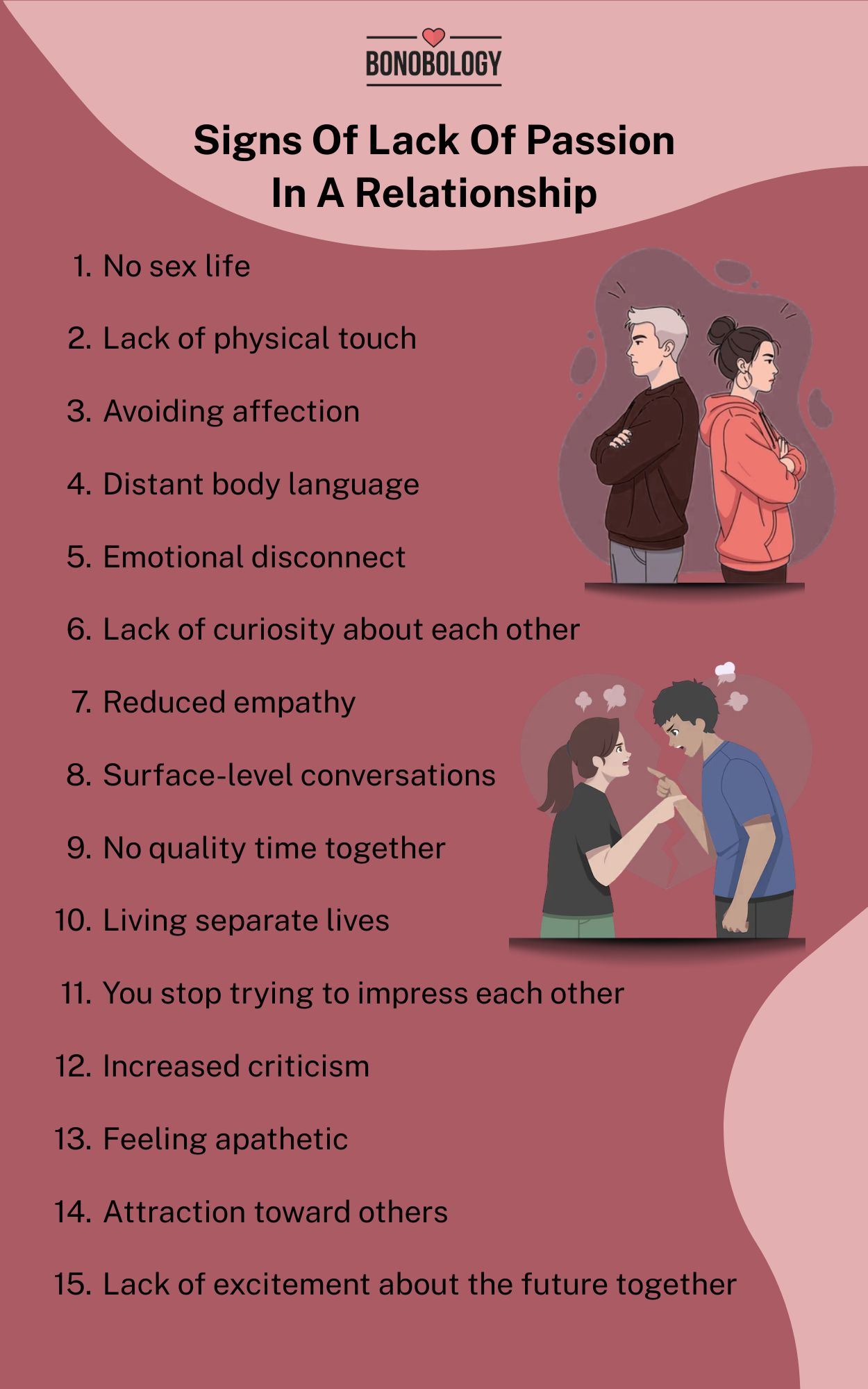
Do typowych oznak braku namiętności w związku należą:
- Brak życia seksualnego
- Odległy język ciała
- Brak ciekawości w stosunku do siebie nawzajem
- Wzrost krytyki
- Czuję się apatycznie
Jak wygląda brak namiętności w związku?
Spis treści
W swojej istocie, więź pozbawiona namiętności to taka, w której pożądanie, witalność i wysiłek osłabły. Jasne, możesz nadal kochać swojego partnera. Możesz nadal dobrze funkcjonować jako zespół. Ale:
- Związek wydaje się mniej żywy
- Jest mniejsze przyciąganie do siebie
- Mniej ciepła w zwykłych chwilach
- I mniej instynktu, by podejść bliżej
Pomocne jest oddzielenie trzech rzeczy, które ludzie często mylą.
- Komfort oznacza bezpieczeństwo, zaufanie i wygodę. To jest zdrowe.
- Nuda oznacza, że związek wydaje się nudny i przesadzony. To ryzykowne, jeśli stanie się chroniczne.
- Brak namiętności znajduje się gdzieś pośrodku i często prowadzi do nudy, gdy żadna ze stron nie chroni nowości, obecności emocjonalnej lub energii erotycznej
Długotrwałe związki nie muszą przerodzić się w pustą przyjaźń, ale zazwyczaj stają się mniej obsesyjne niż zauroczenie na wczesnym etapie.
Dlaczego namiętność zanika i kiedy staje się to normalne
Pożądanie seksualne stopniowo spada z czasem w wielu długotrwałych związkach, a stan silnego pobudzenia towarzyszący nowej miłości nie jest tak silny, by utrzymywać się na pełnej intensywności przez cały czas. Jeśli przestaniesz oczekiwać trwałej fazy miesiąca miodowego , przestaniesz panikować za każdym razem, gdy intensywność się zmienia. Jednocześnie całkowita obojętność emocjonalna nie jest czymś, co należy akceptować jako nieuniknione.
Rutyna to jeden z głównych powodów, dla których wszystko się uspokaja.
- Nowe doświadczenia z partnerem mogą zwiększyć pożądanie i satysfakcję
- Podczas gdy powtarzające się wzorce niskiego zaangażowania popychają pary w stronę autopilota
To jeden z powodów, dla których wspólne aktywności i hobby są ważniejsze, niż ludzie myślą. Jak pasja przetrwałaby, gdybyście razem robili tylko przyziemne obowiązki?
Utrata namiętności w związku może wydawać się szczególnie dezorientująca, gdy:
- Nadal szanujesz swojego partnera
- Ciesz się ich towarzystwem
- I nie ma żadnego poważnego kryzysu, na który można by wskazać
To zamieszanie jest zrozumiałe. Stres, rodzicielstwo, problemy ze snem, depresja, wahania libido, urazy i głęboko skrywane konflikty – wszystko to może wpłynąć na waszą bliskość.
Powiązane materiały: Terapia intymności w domu: 15 ćwiczeń na intymność małżeńską
Wyraźne oznaki braku namiętności w związku
Najwyraźniejsze oznaki braku namiętności w związku zazwyczaj skupiają się wokół dotyku, ciekawości, wysiłku i ciepła emocjonalnego. Jeden znak sam w sobie może po prostu oznaczać, że przechodzisz trudny okres . Ale kilka znaków naraz, zwłaszcza jeśli utrzymują się przez miesiące, zasługuje na uwagę.
Znaki fizyczne i intymne
Te sygnały pojawiają się najpierw w ciele. Pokazują, jak swobodnie, zjednoczeni i pożądani czujecie się fizycznie w swoim towarzystwie. Kiedy namiętność zaczyna słabnąć, bliskość fizyczna często zanika jako pierwsza lub zaczyna wydawać się mechaniczna, a nie naturalna.
1. Mało lub wcale życia seksualnego
Spadek aktywności seksualnej jest często pierwszym sygnałem, jaki ludzie zauważają, ale nie tylko częstotliwość ma znaczenie. Należy również zwrócić uwagę na to, czy seks jest odczuwany:
- poszukiwany
- Wzajemny
- I emocjonalnie połączony
Niskie pożądanie może być wynikiem:
- Napięcia
- Depresja
- Lek
- Ból
- Napięcie w związku
- I stan zdrowia
Nadal możecie spać w tym samym łóżku i przez tygodnie unikać tematu, ponieważ oboje już wiecie, jak niezręcznie się wtedy czujecie.
2. Brak kontaktu fizycznego
Kiedy uściski, pocałunki, trzymanie się za ręce , przytulanie i swobodny kontakt zanikają, związek zaczyna się ochładzać. Czuły dotyk jest ważnym elementem intymności w związku, a wrażliwość partnera pomaga przewidzieć czuły dotyk w parach. W rzeczywistości może to wyglądać tak:
- Wracasz do domu i już nie możecie się do siebie zbliżyć
- Żadnego dotyku, chyba że ktoś poprosi
3. Unikanie bliskości i uczuć
Ten znak jest subtelniejszy niż całkowity brak dotyku. Czasami uczucie jest formalnie obecne, ale jedno z was:
- Unika tego
- Usztywnia się pod nim
- Zamienia to w żart
- Albo traktuje to jako obowiązek
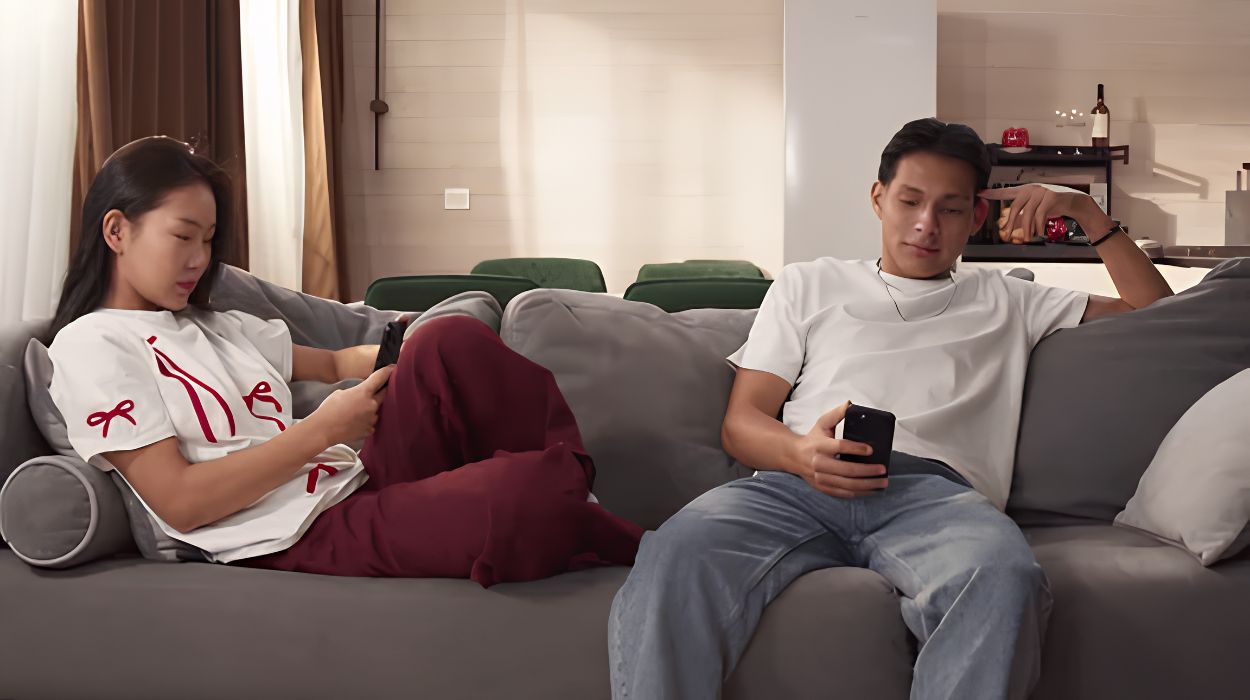
Ten schemat ma znaczenie, ponieważ powtarzające się odwracanie się od prób nawiązania kontaktu prowadzi do zmniejszenia poczucia bezpieczeństwa, mniejszej bliskości i zazwyczaj mniejszej ilości romansu i seksu z czasem. Na przykład, jeden z partnerów pochyla się na kanapie, a drugi natychmiast sprawdza telefon, wstaje po wodę lub zmienia temat.
Powiązane artykuły: Gra wstępna: coś więcej niż tylko rozgrzewka
4. Mowa ciała wydaje się odległa
Często można dostrzec utratę namiętności zanim zdążysz ją wytłumaczyć.
- Ciało się odwraca
- Krople do kontaktu z oczami
- Uśmiechy nie pojawiają się łatwo
- Przestajesz siedzieć blisko, nie zdając sobie z tego sprawy
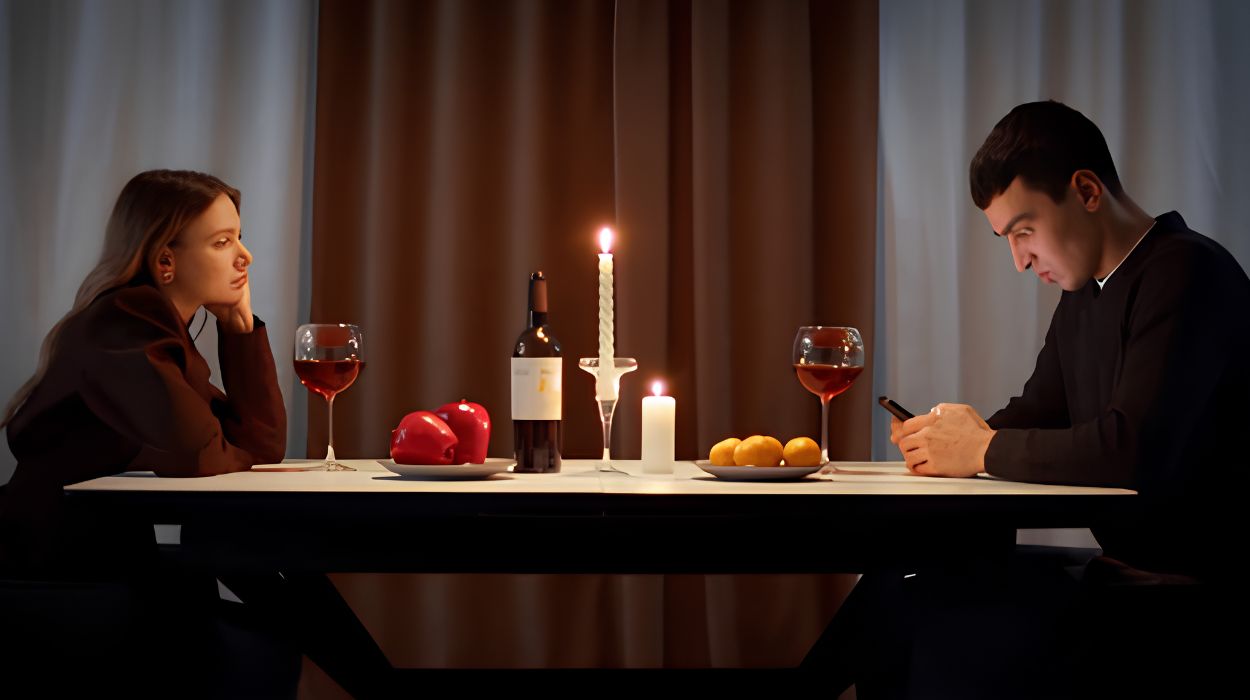
Żadne z tych stwierdzeń samo w sobie nie wydaje się problematyczne, ale chroniczny dystans w mowie ciała często wynika z dystansu emocjonalnego . Na przykład, jesz razem kolację, ale twoje ramiona, oczy i uwaga są niemal cały czas gdzie indziej.
Powiązane czytanie: 11 krytycznych skutków małżeństwa bez seksu dla żony
Znaki emocjonalne
Te znaki pokazują, jak ucierpiała wewnętrzna więź między tobą a partnerem. Dotyczy to również tego, jak bardzo jesteście postrzegani, rozumiani i emocjonalnie zaangażowani. Kiedy namiętność słabnie, głębia emocjonalna często ustępuje miejsca dystansowi lub obojętności.
1. Brak emocjonalnego kontaktu lub poczucie bycia współlokatorem
To jeden z najczęstszych opisów, jakich ludzie używają, gdy namiętność wygasa. Nadal dzielicie wspólne życie, ale relacja nie wydaje się intymna, a raczej oparta na administracyjnych zasadach. Jeśli nie włoży się wysiłku w celową intymność, partnerzy mogą zacząć żyć równolegle, dzieląc się ze sobą niewiele lub nic. Często określa się to jako fazę współlokatora lub małżeństwo współlokatorów.
„Nienawidzę uczucia, że jestem tylko współlokatorem mojej żony. Nadal robimy razem różne rzeczy, ale zachowujemy się jak przyjaciele”.
- Reddit użytkownik
2. Brak ciekawości w stosunku do siebie nawzajem
Namiętność tkwi w odkrywaniu. Kiedy przestajesz zastanawiać się, co myśli, czuje, czego pragnie, czego się boi lub kim się staje twój partner, zainteresowanie zaczyna słabnąć. Na przykład, nawet jeśli wiesz, że twój partner miał ciężki dzień, nie pytasz, co się stało, ponieważ nie czujesz już tego pociągu ani ciekawości.
„Pragnienie kwitnie w inności. Pragniemy nowości, kogoś po drugiej stronie mostu, kto sprawi, że zapragniemy podróży z miejsca, w którym jesteśmy, do miejsca, w którym nigdy nie byliśmy. Pragnienie potrzebuje tajemnicy”.
– Esther Perel, psychoterapeutka
3. Zmniejszona empatia lub współczucie
Kiedy namiętność słabnie, partnerzy często tracą delikatność, zanim stracą lojalność. Dajesz mniej korzyści z wątpliwości. Słuchasz mniej hojnie. Nawet drobne błędy w związku wydają się bardziej irytujące niż zrozumiałe. Badania nad empatią diadyczną pokazują, że empatia jest powiązana z pożądaniem seksualnym, satysfakcją seksualną i dopasowaniem relacji.
4. Rozmowy wydają się powierzchowne
Jeśli większość Twoich rozmów dotyczy obowiązków domowych, harmonogramów, pieniędzy, rodzicielstwa lub tego, kto co odbiera, może brakować czegoś ważnego. Komunikacja jest kluczowym elementem zdrowych relacji , a gdy ogranicza się ona wyłącznie do kwestii logistycznych, zazwyczaj brakuje jej głębi emocjonalnej. Przykład: cały dzień rozmawiasz o zadaniach, a do pójścia spać wciąż czujesz się dziwnie nieswojo.
Powiązane materiały: Jak powiedzieć partnerowi: „Poeksperymentujmy w łóżku”
Objawy behawioralne
To widoczne wzorce w tym, jak na co dzień zachowujesz się w związku. Brak pasji, wysiłku, czasu i wspólnych doświadczeń również na tym cierpi. Działania powoli przechodzą od intencjonalnych do nawykowych.
1. Brak wysiłku, aby spędzać razem czas wysokiej jakości
Randki odchodzą w zapomnienie jako pierwsze, bo wydają się opcjonalne. Potem zabawa znika, a wraz z nią ulatnia się wspólna ekscytacja. Nowe i angażujące aktywności z partnerem mogą budzić większe pożądanie i satysfakcję, co pomaga wyjaśnić, dlaczego pary często tracą zapał, gdy wszystko, co razem robimy, staje się rutyną. Na przykład, nadal załatwiacie razem sprawy, ale prawie nigdy nie udaje się wam stworzyć czasu, który byłby wybrany, przyjemny czy intymny, jak randka czy wspólne hobby.
2. Życie oddzielnymi życiami
Tak, zdrowe pary potrzebują indywidualności. Problem zaczyna się, gdy staje się ona skrajna, gdy indywidualność przeradza się w emocjonalną separację. Związek może przekształcić się w zwykłą umowę mieszkaniową z podziałem obowiązków, jeśli aspekty waszego życia przestaną się krzyżować, na przykład:
- Hobby
- Przyjaciele
- procedury
- I światy wewnętrzne
Mogłoby to wyglądać tak:
- Spędzanie wieczorów w różnych pokojach
- Posiadanie zupełnie różnych światów społecznych
- I nie czując się jak drużyna
3. Przestajecie próbować robić na sobie wrażenie
Nie chodzi tu o ciągłe przebieranie się i występowanie. Chodzi o utratę:
- Flirt
- Przewidywanie
- I troska
Kiedy namiętność jest żywa, ludzie wciąż wykonują drobne gesty, które mówią: „Chcę, żebyś mnie zobaczył”. Te gesty przestają mieć miejsce, gdy ludzie całkowicie popadają w tryb wygody. Jest:
- Bez drażnienia
- Bez wysiłku
- Żadnych małych prób, by poczuć się pożądanym lub sprawić, by druga osoba poczuła się wybrana
Powiązane materiały: Pary, które ćwiczą razem, mają lepsze życie seksualne
4. Zwiększona krytyka lub negatywność
Jeśli ton waszych wzajemnych rozmów zmienił się z serdecznej wymiany zdań na chroniczną krytykę, zwróćcie na to uwagę. Badania Gottmana wielokrotnie wskazywały na destrukcyjne wzorce krytyki, pogardy, postawy obronne i ignorowanie, przy czym pogarda jest najsilniejszym predyktorem rozwodu. Nawet neutralne komentarze w jakiś sposób stają się amunicją, a jeden drobny problem w ciągu kilku minut przeradza się w atak na waszą osobę.
Znaki psychologiczne
To sygnały, które odzwierciedlają Twój stan wewnętrzny, myśli i uczucia związane z relacją. Często wskazują na głębsze zmiany w pożądaniu, przywiązaniu i długoterminowych perspektywach, jeszcze zanim zostaną podjęte ważne decyzje.
1. Odczuwanie apatii lub obojętności
Apatia jest często gorsza niż konflikt, ponieważ przynajmniej konflikt nadal zawiera w sobie zaangażowanie. Badania nad obojętnością romantyczną wykazały powiązania z niższym poziomem relacji i dobrostanem osobistym, co wynika częściowo z:
- Nuda
- Niższa intymność
- I większe zainteresowanie alternatywami
Może to przypominać uczucie odrętwienia, a nie niepokoju lub nawet złości, gdy partner jest zdenerwowany.
Powiązane materiały: Intymność seksualna: znaczenie, korzyści i sposoby na poprawę
2. Pociąg do innych
Zauważanie innych atrakcyjnych osób czasami jest w porządku. Ale może prowadzić do katastrofy, jeśli połączy się to z nudą, brakiem kontaktu lub obojętnością w domu. Anegdotyczne doniesienia często pokazują, że zewnętrzne zainteresowanie wzrasta wraz z zanikaniem więzi emocjonalnej.
3. Brak entuzjazmu wobec wspólnej przyszłości
Jednym z najwyraźniejszych objawów późnego etapu jest moment, gdy przyszłość przestaje wydawać się żywa. Możesz nadal planować praktyczny kolejny krok, ale emocjonalnie wydaje się to…
- pusty
- ciężki
- Albo dziwnie obowiązkowy
Badania nad obojętnością łączą ją z
- Niższe zaangażowanie
- Problemy z zaufaniem
- I coraz więcej myśli o rozstaniu z czasem
Pomyśl o tym. Czy wyobrażając sobie kolejne pięć lat, widzisz w nich tylko stabilizację i zobowiązania, czy też radość i autentyczną chęć dalszego budowania?
Co powoduje utratę pasji
Ponieważ oznaki i przyczyny nakładają się na siebie, oznaki braku namiętności w związku można łatwo zignorować jako:
- Napięcia
- Rodzicielstwo
- Albo ciężki miesiąc
Czasami to prawda. Czasami to samoobrona. Problem w tym, że płaskość relacji często narasta w codziennym życiu, co ułatwia zbyt długie pozostawanie w normalności.
1. Zbyt duża znajomość
Rutyna i przewidywalność to oczywiste przyczyny, ale głębszym problemem jest zazwyczaj śmierć oczekiwania. Zbyt wiele powtarzalności nie pozostawia nic do odkrycia i tym samym zabija ciekawość. Nowość ma znaczenie, ponieważ przywraca
- Ruch
- Uwaga
- I poczucie, że w związku jest jeszcze niewykorzystana przestrzeń
„Erotyka mieści się w niejednoznacznej przestrzeni między lękiem a fascynacją”.
– Esther Perel, psychoterapeutka
2. Uraza
Uraza to kolejna ważna przyczyna, która zazwyczaj jest bardziej złożona, niż ludzie się spodziewają. Jedna pominięta potrzeba nie zabije namiętności, ale setki nierozwiązanych rozczarowań – tak. Nagromadzone krzywdy mogą sprawić, że partnerzy poczują się…
- Nieważny
- Niepożądany
- Albo zaniedbany
Z tego powodu nawet neutralne interakcje są postrzegane negatywnie.

3. Zaniedbanie emocjonalne
John Gottman nazywa oferty „fundamentalną jednostką więzi emocjonalnej ”. Dzieje się tak, ponieważ namiętność rzadko znika w jednej wielkiej chwili. Rozrzedza się w tysiącu.
- Przegapione spojrzenia
- Połowa odpowiedzi
- Rozproszone skinienia głową
- I zimne odpowiedzi
Powiązane artykuły: Jak długo można nie uprawiać seksu w związku?
4. Obowiązki
Brak namiętności w małżeństwie często pojawia się, gdy pary stają się bardzo dobre w prowadzeniu gospodarstwa domowego, ale bardzo słabe w znajdowaniu przestrzeni na:
- Reszta
- Graj
- Samotność
- I erotyka
Przejście w dorosłość wiąże się średnio z niewielkim spadkiem satysfakcji małżeńskiej, a stres lub depresja mogą dodatkowo obniżyć libido i napięcie w związku. Jeśli dodamy do tego brak snu, ciągłą logistykę i brak bufora dla przyjemności, nie dziwi fakt, że pożądanie może się zmniejszyć.
Jak przywrócić pasję
Celem nie jest odtworzenie pierwszego miesiąca waszej wspólnej miłości. Ta wersja miłości nigdy nie miała trwać dokładnie tak długo, jak była. Prawdziwym celem jest odbudowanie pożądania w sposób, który pasuje do życia, które faktycznie prowadzicie teraz i który da się utrzymać pośród codziennych obowiązków.
1. Odbuduj więź emocjonalną
Jeśli Twój partner nie czuje się bezpiecznie, nie jest zauważany ani nie otrzymuje odpowiedzi, energia erotyczna zazwyczaj nie powraca w stabilny sposób. Wielkie gesty są wspaniałe, ale powtarzające się momenty zwracania się ku sobie są ważniejsze i skuteczniejsze. Reaguj na próby partnera, aby zwrócić na siebie uwagę, na przykład:
- Chcę opowiedzieć Ci o swoim dniu
- Pokażę ci zabawny filmik
- Albo podziel się fabułą książki, którą ostatnio przeczytałeś
Ma to znaczenie, ponieważ codzienne reakcje albo budują, albo osłabiają emocjonalny wymiar związku.
Powiązane materiały: Intymność kontra seks: czym się różnią i dlaczego oba są ważne
2. Dodaj nowość
Wspólne, nowe doświadczenia to jeden z popularniejszych sposobów na zwiększenie pożądania i satysfakcji w związku, potwierdzony badaniami . Spróbuj czegoś, co zmieni atmosferę, zamiast kolejnej, obowiązkowej randki.
- Nauczcie się razem umiejętności
- Udaj się w nieznane miejsce
- Zmień skrypt
Jeśli tracisz namiętność w związku, nowość nie jest luksusem. Często jest to pierwsza prawdziwa interwencja.
Powiązane artykuły: Nudny seks? Oto 10 wskazówek, jak znaleźć na niego czas
3. Napraw komunikację
Jeśli krytyka, pogarda lub cykle obronne są ciągłe, pożądanie nie będzie miało miejsca, by rozkwitnąć. Gdy komunikacja stanie się bardziej życzliwa, pojawi się emocjonalna i fizyczna bliskość.
4. Bezpośrednio zajmij się urazą
Nie potrzebujesz idealnego porozumienia. W rzeczywistości większość problemów w związku jest nieustająca i będzie się pojawiać od czasu do czasu. Ważne jest zatem, czy potrafisz omówić te problemy bez pogardy i z odpowiednią dozą dobrej woli. Nie da się „podkręcić atmosfery”, dopóki nie rozwiążesz negatywnych uczuć, które żywisz do partnera.

5. Nadaj priorytet intymności
Dla niektórych par może to oznaczać konieczność zaplanowania czasu. Ludzie opierają się temu pomysłowi, ponieważ chcą spontaniczności, ale wiele par w długoletnim związku radzi sobie lepiej, gdy intymność jest zaplanowana w kalendarzu, a nie pozostawiona przypadkowi.
- Kluczem jest to, aby nie było to mechaniczne
- Zrób to przestronnie
- Mniejsza wydajność, więcej powolności, dotyku, flirtu i obecności mentalnej
6. Wyklucz czynniki związane ze zdrowiem i przyjmowanymi lekami
Nagła zmiana pożądania seksualnego może być wynikiem:
- Nagły spadek libido
- Ból seksualny
- Trwająca depresja
- Lub skutki uboczne SSRI
W takich przypadkach nie chodzi tylko o problem natury romantycznej. To także rozmowa o zdrowiu. Lekarz, terapeuta lub seksuolog może być właściwym kolejnym krokiem.
FAQ
Wczesne oznaki są często subtelne: mniej wysiłku, mniej czułych gestów, mniej sięgania po siebie, więcej rozmów o logistyce i zauważalny spadek zainteresowania życiem wewnętrznym partnera. Wiele par pomija ten etap, ponieważ nic jeszcze nie wygląda dramatycznie. Po prostu wydaje się bardziej płaski.
To normalne, że wczesna intensywność ulega zmianie. Pożądanie często z czasem staje się mniej automatyczne, a faza miesiąca miodowego nie trwa wiecznie. Nierozsądnie jest normalizować chroniczną obojętność, dystans emocjonalny i całkowity brak wysiłku. Długotrwały romans wciąż może istnieć.
Tak, często tak jest, zwłaszcza gdy obie osoby są nadal zaangażowane emocjonalnie. Badania potwierdzają, że nowość, lepsza responsywność, lepsza komunikacja i interwencje w parach to skuteczne sposoby na poprawę pożądania, intymności i satysfakcji z relacji. Zastrzeżenie jest proste: obie osoby muszą być zaangażowane.
Kluczowe wskazówki
- Utrata namiętności zwykle następuje stopniowo i często objawia się najpierw milczeniem, zmniejszonym dotykiem, słabą ciekawością i mniejszą reakcją emocjonalną
- Występuje zarówno w zachowaniu, jak i w uczuciach i wygląda jak równoległe życia, mniej ofert, więcej krytyki i mniej empatii
- Wczesne oznaki mogą być odwracalne, zwłaszcza gdy oboje partnerzy są gotowi na ponowne nawiązanie kontaktu, stworzenie czegoś nowego i odreagowanie urazów.
- Świadomość to pierwszy krok. Wczesne nazwanie wzorca może pomóc parom ożywić namiętność.
Uwagi końcowe
Niektóre związki tracą namiętność, ponieważ nigdy nie były pielęgnowane, inne po prostu dlatego, że życie stanęło im na drodze. Liczy się to, co zdecydujesz zrobić z tą świadomością. Jeśli oboje nadal jesteście gotowi się pojawić, słuchać i próbować ponownie z intencją, namiętność może powrócić w bardziej ugruntowany i trwały sposób. A jeśli nie, te znaki dają ci również jasność, by podejmować decyzje, które są szczere i odpowiadają twoim potrzebom, zamiast tkwić w cichym odłączeniu.
10 rzeczy do zrobienia poza sypialnią, aby zapewnić sobie lepsze życie seksualne
Twój wkład nie stanowi darowizny na cele charytatywne . Pozwoli on Bonobology na dalsze dostarczanie Ci nowych i aktualnych informacji w ramach naszej misji pomagania każdemu na świecie w nauce wszystkiego.





Wyróżniony
Jak terapia może wzmocnić relacje, zanim problemy się nasilą
Jak radzić sobie z postawą obronną w związkach: poradnik
Mam 30 lat i nigdy nie miałem dziewczyny: co robisz źle
Terapia Imago: czym jest, jak działa, korzyści i uwagi
Banksying w randkowaniu: co to oznacza i jak to rozpoznać
Czy zbyt szybko idę dalej po śmierci współmałżonka – jak podjąć decyzję
15 znaków, że wrócisz do swojego byłego
Jak przezwyciężyć problemy z zaufaniem — Terapeuta dzieli się 9 wskazówkami
Dowiedz się, jak wybaczyć sobie zranienie kogoś, kogo kochasz
Jak znaleźć spokój po zdradzie — 9 wskazówek od terapeuty
Jak radzić sobie z niewiernym mężem
35 Niepokojących oznak gaslightingu w związku
Czym jest narcystyczne duchy i jak na nie reagować
„Mój mąż zaczyna się kłócić, a potem mnie obwinia”: sposoby radzenia sobie
Jak odbudować życie po śmierci współmałżonka: 11 wskazówek ekspertów
Mój mąż zmarł i chcę go z powrotem: radzenie sobie ze smutkiem
„Czy jestem niekochany” – 9 powodów, dla których tak się czujesz
11 oznak, że Twoja dziewczyna była w przeszłości wykorzystywana seksualnie i jak jej pomóc
Radzenie sobie z rozstaniem: aplikacje, które musisz mieć na swoim telefonie po rozstaniu
15 oznak, że marnujesz czas, próbując odzyskać swojego byłego