

Passion can be understood as the active charge in a relationship. In psychology, passion is tied to intense desire and strong enthusiasm. You can still care for someone deeply and yet feel the spark thinning out. In everyday life, passion shows up as desire, curiosity, effort, affection, playfulness, and emotional energy.
Many of the signs of lack of passion in a relationship show up long before either of you says anything explicit. One person stops reaching. The other stops noticing. Conversations become efficient. Touch fades into habit or disappears. Resentment starts doing the talking, even when nobody names it. That quiet erosion is often more important than one dramatic argument.
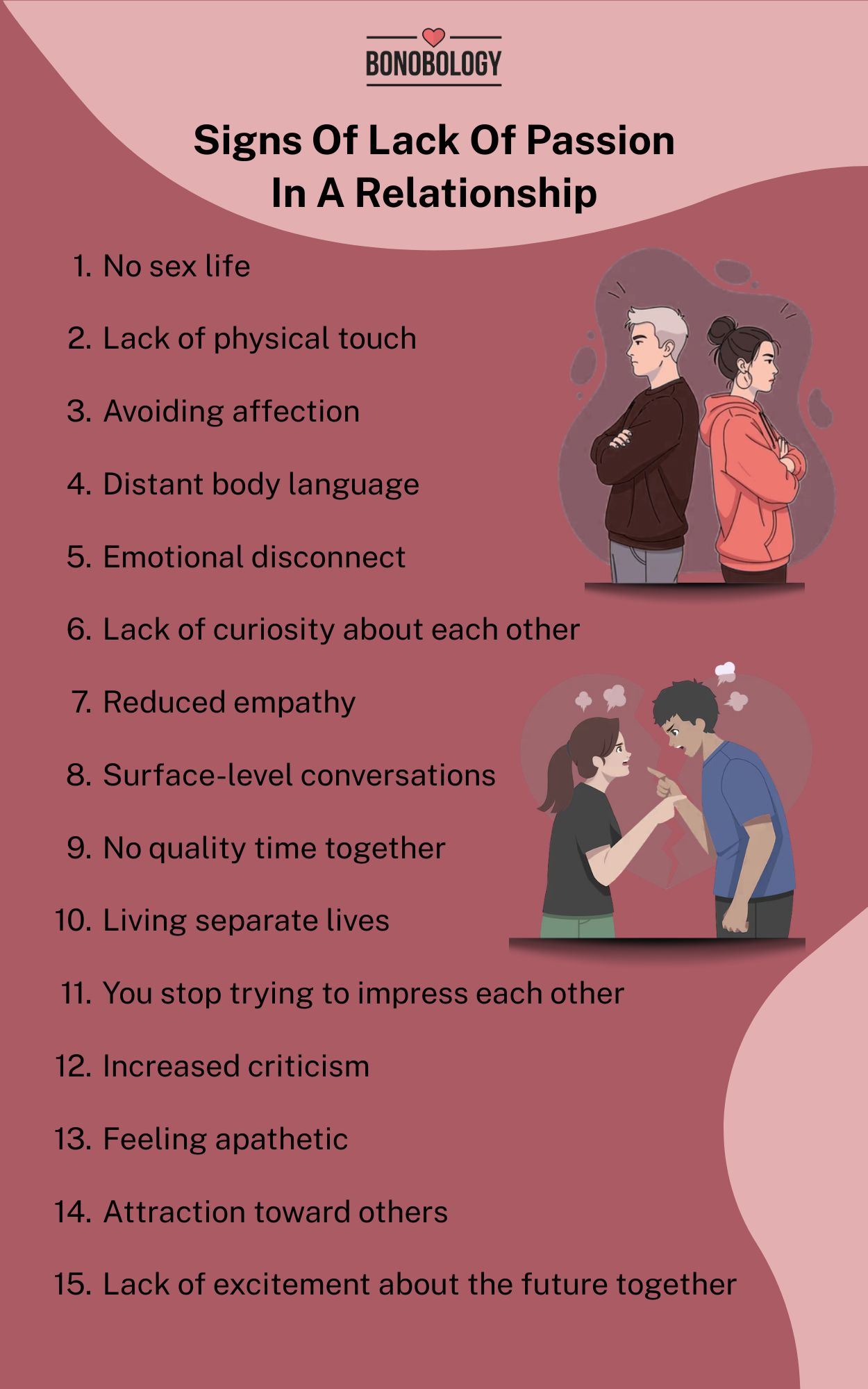
Some common signs of lack of passion in a relationship include:
- No sex life
- Distant body language
- Lack of curiosity about each other
- Increased criticism
- Feeling apathetic
What Does Lack Of Passion In A Relationship Look Like?
目录
At its core, a passionless bond is one where desire, vitality, and effort have dropped. Sure, you may still love your partner. You may still function well as a team. But:
- The relationship feels less alive
- There is less pull toward each other
- Less warmth in ordinary moments
- And less instinct to move closer
It helps to separate three things people often confuse.
- Comfort means safety, trust, and ease. That is healthy
- Boredom means the relationship feels stale and overlearned. That is risky if it becomes chronic
- Lack of passion sits somewhere in between and often slides toward boredom when neither person protects novelty, emotional presence, or erotic energy
长期关系 do not have to become an empty friendship, but it usually does become less obsessive than early stage infatuation.

Why Passion Fades And When It Is Normal
Sexual desire declines gradually over time in many long term relationships, and the high arousal state of new love is not built to stay at full intensity forever. If you stop expecting a permanent 蜜月阶段, you stop panicking every time intensity shifts. At the same time, complete emotional flatness is not something you should accept as inevitable.
Routine is one big reason things cool down.
- New experiences with a partner can increase desire and satisfaction
- While repetitive, low engagement patterns push couples toward autopilot
That is one reason shared activities and hobbies matter more than people think. How would passion survive if all you’re doing together are the mundane chores?
Losing passion in a relationship can feel especially confusing when:
- You still respect your partner
- Enjoy their company
- And have no major crisis to point to
That confusion is understandable. Stress, parenthood, poor sleep, depression, libido changes, resentment, and buried conflict can all affect your closeness.
相关阅读:在家进行亲密关系治疗:15个婚姻亲密练习
The Clear Signs Of Lack Of Passion In A Relationship
The clearest signs of lack of passion in a relationship usually cluster around touch, curiosity, effort, and emotional warmth. One sign on its own may just mean you’re going through a 粗糙的补丁. But several signs together, especially if they continue over months, deserve your attention.
Physical and intimacy signs
These signs show up in the body first. They show how comfortable, connected, and desired you feel physically with each other. When passion starts fading, physical closeness is often the first to go, or it begins to feel mechanical instead of natural.
1. Little or no sex life
A drop in sex is often the first sign people notice, but what frequency is not the only thing that matters. You should also pay attention to whether the sex feels:
- 通缉
- 相互
- And emotionally connected
Low desire can be a result of:
- 应力
- 抑郁症
- 药物治疗
- 面包
- 关系紧张
- And health conditions
You might still sleep in the same bed and go weeks avoiding the topic because both of you already know how awkward it feels.
2. Lack of physical touch
When hugs, kisses, 手拿着, cuddling, and casual contact fade, the relationship starts feeling colder. Affectionate touch is a big part of intimacy in a relationship, and partner responsiveness helps forecast affectionate touch in couples. In real life, this can look like:
- You come home and there is no reaching for each other anymore
- No touch unless one person asks
3. Avoiding closeness or affection
This sign is subtler than no touch at all. Sometimes affection is technically present, but one of you:
- Avoids it
- Stiffens under it
- Turns it into a joke
- Or treats it as an obligation
That pattern matters because repeated turning away from bids for connection creates less safety, less closeness, and usually less romance and sex over time. For example, one partner leans in on the couch, and the other immediately checks the phone, gets up for water, or changes the subject.
相关阅读:前戏:不仅仅是热身
4. Body language feels distant
You can often see passion loss before you can explain it.
- The body turns away
- Eye contact drops
- Smiles do not arrive easily
- You stop sitting close without realizing it
None of these seem problematic by themselves, but chronic distance in body language often comes as a result of 情感距离. For example, you eat dinner together, yet your shoulders, eyes, and attention are somewhere else almost the whole time.
相关阅读: 无性婚姻对妻子的 11 种严重影响
情绪迹象
These signs show how the inner connection between you and your partner gets affected. It includes how seen, understood, and emotionally engaged you feel. When passion declines, emotional depth is often replaced by distance or indifference.
1. Emotional disconnect or feeling like roommates
This is one of the most common descriptions people use when passion has drained out. You still share a life, but the relationship feels not intimate but administrative. If efforts are not put into intentional intimacy, partners can start living parallel lives with sharing little to nothing with each other. It is often referred to as the roommate phase or a 室友结婚.
“I hate the feeling of just being a roommate to my wife and we still do things together but just operate as friends .”
– reddit的用户
2. Lack of curiosity about each other
Passion lives in discovery. When you stop wondering what your partner is thinking, feeling, craving, fearing, or becoming, interest starts to flatten. For example, even if you know your partner had a hard day, you do not ask what happened because you do not feel that pull or curiosity anymore.
“Desire thrives on otherness. We want novelty, someone on the other side of a bridge who makes us want to journey away from where we are to a place we’ve never been. Desire needs mystery.”
– Esther Perel, Psychotherapist
3. Reduced empathy or compassion
When passion is fading, partners often lose softness before they lose loyalty. You give less benefit of the doubt. You listen less generously. Even small 关系错误 feel more irritating than understandable. 研究 on dyadic empathy shows that empathy is linked with sexual desire, sexual satisfaction, and relationship adjustment.
4. Conversations feel surface level
If most of your conversations are about chores, schedules, money, parenting, or who is picking up what, something important may be missing. Communication is a key feature of 健康的关系, and when it thins into logistics only, emotional depth usually goes with it. Example: you talk all day about tasks and still feel oddly unknown by bedtime.
行为迹象
These are the visible patterns in how you show up in the relationship day to day. With lack of passion, effort, time, and shared experiences also take a hit. Actions slowly move from intentional to habitual.
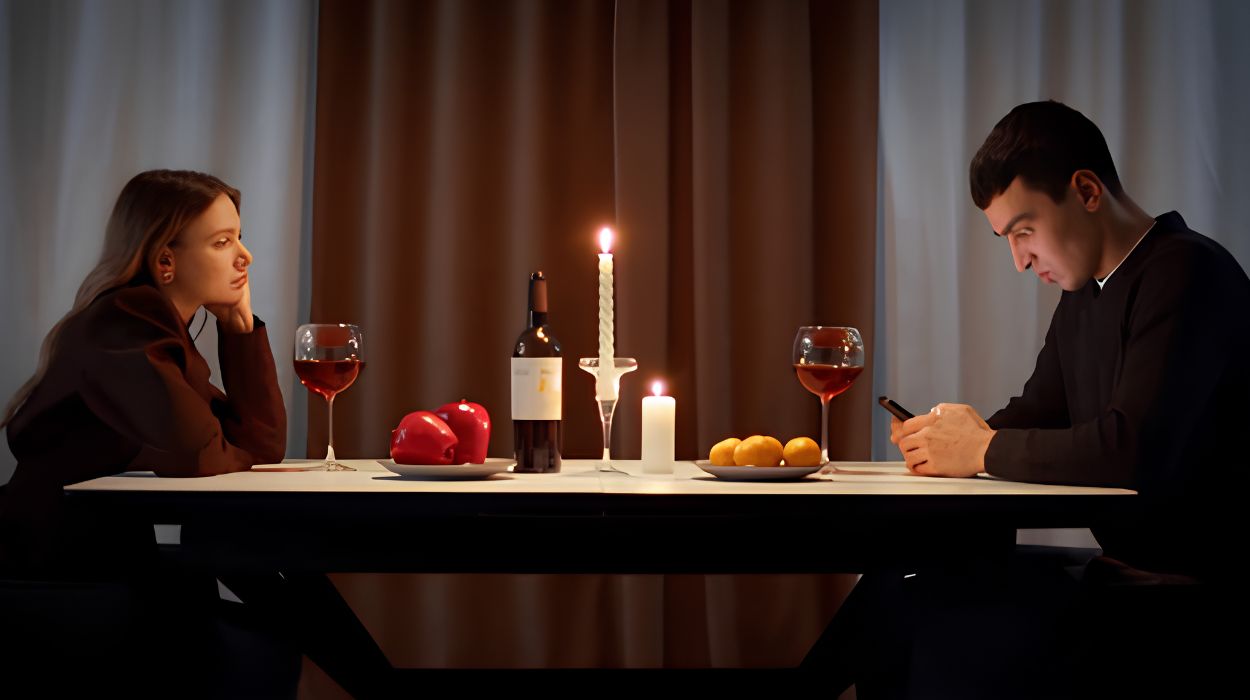
1. No effort to spend quality time together
Dates are the first to go because they feel optional. Then play disappears, and then shared excitement goes with it. New and engaging activities with a partner can create greater desire and satisfaction, which helps explain why couples often go flat when everything together becomes routine. For example, you still run errands together, but you almost never create time that feels chosen, fun, or intimate, like a date or a hobby together.
2. Living separate lives
Yes, healthy couples do need individuality. The problem begins when it becomes extreme, when individuality becomes emotional separation. The relationship can turn into simply a housing arrangement with 共同责任 if aspects of your life stop intersecting, for example:
- 爱好
- 好友
- 例程
- And inner worlds
这可能看起来像:
- Spending evenings in different rooms
- Having completely different social worlds
- And not feeling like a team
3. You stop trying to impress each other
This is not about always dressing up or performing. It is about the loss of:
- 调情
- 预期
- And care
When passion is alive, people still make small moves that say, “I want to be seen by you.” These moves stop happening when people fully collapse into convenience mode. There is:
- No teasing
- No effort
- No little attempts to feel desirable or make the other person feel chosen
相关阅读:一起健身的情侣性生活更和谐
4. Increased criticism or negativity
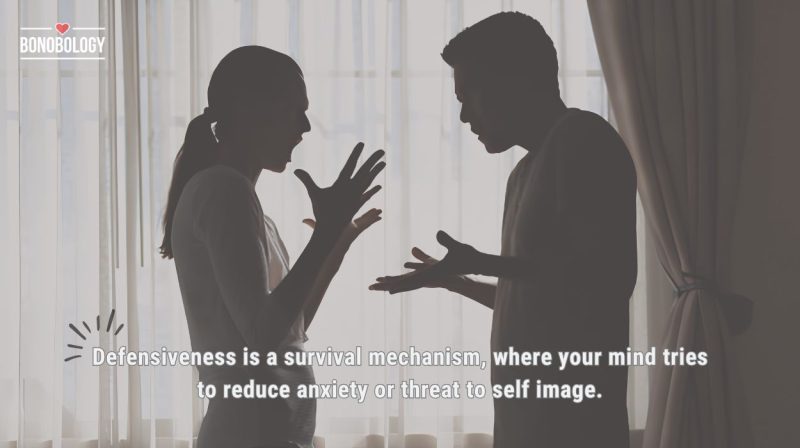
If your tone toward each other has shifted from warm banter to chronic criticism, pay attention. Gottman’s research has repeatedly highlighted criticism, contempt, defensiveness, and 石墙 as destructive patterns, with contempt standing out as the strongest predictor of divorce. Even neutral comments somehow become ammunition, and one small issue turns into a character attack within minutes.
心理迹象
These are the signs that reflect your internal state, thoughts, and feelings about the relationship. They often indicate deeper shifts in desire, attachment, and long-term outlook, even before major decisions are made.
1. Feeling apathetic or indifferent
Apathy is often worse than conflict because at least conflict still contains engagement. 研究 on romantic indifference has found links with lower relationship and personal well being, driven in part by:
- 无聊
- Lower intimacy
- And greater interest in alternatives
This may look like feeling a numbness instead of concern or even anger when your partner is upset.
相关阅读:性亲密:意义、益处及改善方法
2. Attraction toward others
Noticing other attractive people sometimes is okay. But it can lead to a disaster when paired with boredom, disconnection, or indifference at home. Anecdotal reports often show a pattern where outside attraction increases as the primary bond goes emotionally flat.
3. Lack of excitement about the future together
One of the clearest late stage signs is when the future stops feeling vivid. You may still plan the practical next step, but emotionally it feels
- 空白
- 重
- Or strangely dutiful
研究 on indifference links it with
- 降低承诺
- 信任问题
- And more thoughts of breaking up over time
Think about it. When you imagine the next five years, do you only picture stability and obligation, or is there joy and a genuine desire to keep building?
What Causes The Loss Of Passion
Because signs and causes overlap, signs of lack of passion in a relationship can be easy to dismiss as”
- 应力
- 育儿
- Or a rough month
Sometimes that is true. Sometimes it is self protection. The hard part is that relational flatness often builds through ordinary life, which makes it easy to normalize for too long.
1. Too much familiarity
Routine and predictability are the obvious culprits, but the deeper issue is usually the death of anticipation. Too much sameness leaves nothing to discover and thus kills the curiosity. Novelty matters because it restores
- 议案
- 注意
- And a sense that the relationship still contains undeveloped space
““Eroticism resides in the ambiguous space between anxiety and fascination.”
– Esther Perel, Psychotherapist
2。 怨恨
Resentment is another major cause, and it is usually more complex than people expect. One missed need will not kill passion but hundreds of unaddressed disappointments might. Accumulated hurts can make partners feel
- 不重要
- 无用
- Or uncared for
Due to this, even neutral interactions get perceived negatively.

3.情感忽视
John Gottman calls bids the “fundamental unit of 情感连接.” This is because passion rarely disappears in one grand moment. It thins out in a thousand
- Missed glances
- Half answers
- Distracted nods
- And cold replies
相关阅读:恋爱关系中多久没有性生活才算太久?
4。 责任
Lack of passion in marriage often shows up after couples become very good at running a household but very poor at making space for:
- 休息
- 下注
- 孤独
- And eroticism
The transition to parenthood is associated with a small decline in marital satisfaction on average, and stress or depression can further reduce libido and strain connection. If you add sleep loss, constant logistics, and no buffer for pleasure, it is no surprise that desire can reduce.
How To Bring Passion Back
The goal is not to recreate the first month you were together. That version of love was never going to last exactly as it was. The real goal is to rebuild desire in a way that fits the life you actually have now and can be sustained amid your day-to-day responsibilities.
1. Rebuild emotional connection
If your partner does not feel safe, seen, or responded to, erotic energy usually does not return in any stable way. Grand gestures are great, but repeated moments of turning toward each other are more important and effective. Respond to your partner’s bids for attention like:
- Wanting to tell you about their day
- Showing you a funny video
- Or share the plot of a book they read recently
This matters because everyday responses either build or drain the emotional account of the relationship.
相关阅读: 亲密关系与性:它们有何不同以及为何都重要
2.添加新奇
Shared new experiences are one of the more consistent research backed ways to increase desire and 关系满意度. Try something that changes the atmosphere rather than one more dutiful date.
- Learn a skill together
- Go somewhere unfamiliar
- Change the script
If you are losing passion in a relationship, novelty is not a luxury. It is often the first real intervention.
相关阅读: 做爱很无聊?这里有 10 个腾出时间的秘诀
3. Fix communication
If criticism, contempt, or defensive cycles are constant, desire will have no place to bloom. Once communication becomes more kind, emotional and 身体亲密 即将公布
4. 直接处理怨恨情绪
You do not need perfect agreement. In fact, most 关系问题 are perpetual and will keep coming up occasionally. What matters, then, is whether you can discuss these problems without contempt and with enough goodwill left intact. You can’t “spice things up” until you resolve the negative feelings you have for your partner.

5.优先考虑亲密关系
For some couples this could mean scheduling time. People resist that idea because they want spontaneity, but many long term couples do better when intimacy is scheduled on the calendar instead of left to chance.
- The key is not to make it mechanical
- Make it spacious
- Less performance, more slowness, touch, flirtation, and mental presence
6. Rule out health and medication factors
A sudden change in sexual desire can be a result of:
- A sudden libido crash
- 性交疼痛
- Ongoing depression
- Or SSRI side effects
In those cases, this is not merely a romance problem. It is also a health conversation. A physician, therapist, or 性治疗师 may be the right next step.
常见问题
The earliest signs are often subtle: less effort, fewer affectionate gestures, less reaching for each other, more logistical talk, and a noticeable drop in curiosity about your partner’s inner life. Many couples miss this stage because nothing looks dramatic yet. It simply feels flatter.
It is normal for early intensity to change. Desire often becomes less automatic over time, and the honeymoon phase does not stay at full volume forever. What is not wise to normalize is chronic indifference, emotional distance, and a complete lack of effort. Long term romance can still exist.
Yes, it often can, especially when both people are still emotionally invested. Research supports novelty, better responsiveness, improved communication, and couple based interventions as meaningful ways to improve desire, intimacy, and relationship satisfaction. The caveat is simple: both people have to participate.
关键指针
- Passion loss is usually gradual, and it often shows up first through silence, reduced touch, low curiosity, and less emotional responsiveness
- It comes up in behavior as much as in feeling and looks like parallel lives, fewer bids, more criticism, and less empathy
- Early signs can be reversible, especially when both partners are willing to reconnect, create novelty, and repair resentment.
- Awareness is the first step. Naming the pattern early can help couples revive their passion l
总结
Some relationships lose passion because they were never nurtured, others because life simply got in the way. What matters is what you choose to do with that awareness. If both of you are still willing to show up, to listen, to try again with intention, passion can return in a more grounded, lasting way. And if not, these signs also give you the clarity to make decisions that are honest to your needs rather than staying stuck in quiet disconnection.
您的捐助并非慈善捐款。它将使 Bonobology 能够继续为您提供最新资讯,帮助世界各地的人们学习任何技能。





重点产品
如何应对人际关系中的防御心理:一份指南
我30岁了,从来没交过女朋友:你到底做错了什么?
意象疗法:它的定义、运作原理、益处和注意事项
约会中的班克斯风格:它的含义以及如何识别它
配偶去世后,我是否过快地开始新的生活——如何判断
15个迹象表明你会和前任复合
如何克服信任问题——治疗师分享 9 个技巧
学会原谅自己伤害了所爱之人
如何在被欺骗后找到平静——治疗师的 9 个建议
如何应对出轨的丈夫
35 关系中煤气灯操纵的令人不安的迹象
什么是自恋重影以及如何应对
“我的丈夫开始打架,然后责备我”:应对方法
配偶去世后如何重建生活:11 个专家支持的建议
我的丈夫去世了,我希望他回来:应对悲伤
“我不可爱吗”——你有这种感觉的 9 个原因
您女朋友过去遭受过性虐待的 11 个迹象以及如何帮助她
应对分手:手机必备的分手应用程序
15个迹象表明你在浪费时间试图挽回你的前任
为什么你会迷恋一个你几乎不认识的人——10个可能的原因