

Security in a relationship is the feeling of emotional safety, trust, and stability that lets both partners feel accepted, supported, and free to be themselves without fear of judgment, rejection, or abandonment. When you ask what is security in a relationship, you are really asking whether love feels safe enough to live in every day, not only on good days, but on stressful, ordinary, messy ones too.
Ways To Build Security In A Relationship:
- Comunicación aberta
- Consistent action
- Fair dynamics
- Dispoñibilidade emocional
- Respecto polos límites
What Does Security In A Relationship Really Mean?
Índice analítico
At the deepest level, security means that your nervous system is not always bracing for hurt. You do not have to:
- Calculate every text
- Read danger into every delay
- Or wonder whether one disagreement means the bond is falling apart
You can be vulnerable and honest and still trust that the relationship is steady.
A relación segura also has a practical side.
- Your partner’s words and actions usually match
- Repair happens after conflict
- Boundaries are respected
- There is room for closeness and for individuality

Why Security Is Important In A Relationship
When security is present, you are more able to be your authentic self. You can:
- Admit fear
- Ask for comfort
- State limits
- And own mistakes without assuming that honesty will cost you the relationship
Security also changes how conflict feels. Conflict itself is not proof that a relationship is broken. All couples argue. Life happens, stress affects your state of mind, and people disappoint each other. The difference is that secure couples do not treat every problem as a referendum on love. They are more likely to communicate effectively and perceive more support.
Without security, the relationship often feels unstable and anxious.
- Small events hit harder than they should
- A delayed reply can feel like rejection
- A request for space can feel like abandonment
Research on distrust and attachment insecurity shows that insecurity can fuel jealousy, suspicious thinking, and conflict escalation.
Signs Of A Secure Relationship
If you want to recognize security in real life, stop looking for romance movie moments. Look for patterns. A secure relationship is defined by emotional safety, trust, and respecto mutuo. Both partners feel valued without needing constant validation or control.
- You can express emotions without fear that they will be mocked, minimized, or used against you later
- Communication is open and direct more often than it is evasive, defensive, or full of guessing games
- You trust your partner’s intentions enough that you do not confuse every imperfection with betrayal
- There is healthy independence. You can have your own interests, thoughts, and space without the bond feeling threatened
- Conflicts are worked through rather than buried, stretched out, or turned into character attacks
- Support is consistent. Your partner usually shows up, follows through, and makes you feel considered
- Boundaries are respected. Time alone, physical limits, privacy, and personal values are not treated as threats
- One person is not quietly running the whole relationship
- You feel more calm than confused
If you want to check if your relationship is secure, look at your ordinary days.
- Can you be yourself on a tired Tuesday?
- Can you bring up something awkward?
- Can you hear “no” without hearing “I do not love you”?
These small tests tell you more than grand declarations ever will.
Lectura relacionada: 15 sinais de compatibilidade na relación entre ti e a túa parella
Types Of Security In A Relationship
Security in a relationship can include emotional security, physical safety, financial steadiness, and future or commitment security. If even one of those areas is chronically shaky, the relationship can still feel unsafe despite love being present.
- Emotional security means you can feel, speak, and need things without punishment
- Physical security means there is no violence, coercion, intimidation, stalking, or sexual pressure
- Practical security includes whether money is handled in a way that feels fair and responsible
- Future security means you know where you stand. You are not always trying to guess the level of commitment
Lectura relacionada: 5 cousas que fan os homes para que unha muller se sinta insegura
What Causes Lack Of Security In A Relationship
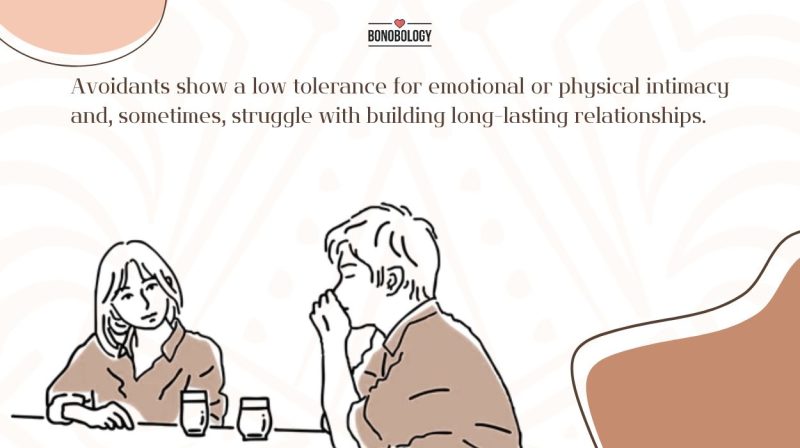
Insecurity rarely appears out of nowhere. Most of the time, it grows from a mix of history and current relational patterns. Common causes include painful past experiences, baixa autoestima, broken trust, inconsistency, poor communication, and insecure attachment patterns such as anxious or avoidant attachment.
1. Experiencia pasada
Your mind learns from past experiences. People who expect the worst from their partners are usually those who have lived through:
- Mentir
- Abandono
- Cheating
- neglixencia
- Or emotionally chaotic relationships
Their past experiences manifest in the form of cuestións de confianza even when the present partner is trying to do things differently and has given no reason to doubt them.
Lectura relacionada: 8 Ways To Protect Yourself When Dating A Man Who Is Not
2. Baixa autoestima
If you already hold the belief that you are easy to leave or hard to love, even small disagreements or conflicts feel like proof. Also, as they say, comparison is the thief of joy. Social media can make you measure your reality against someone’s polished performances, further damaging your self esteem.
3. Broken trust
Broken trust is another major cause and needs to be understood better. Trust is not damaged only by affairs. It is also damaged when someone:
- Lies repeatedly
- Hides major information
- Disappears when you need them most
- Humiliates you
- Or makes you feel descoidado emocionalmente
Lectura relacionada: 10 necesidades emocionais críticas nunha relación
4. Abuso
One more distinction is essential. Sometimes people call a relationship insecure when the bigger problem is abuse. It is not only a problema de comunicación if there is:
- Violencia física
- Coacción sexual
- Stalking
- Ameazas
- Or psychological aggression
This is a way deeper issue that does not resolve with only reassurance. In such cases, most of the time, it is just better to leave for the sake of your safety rather than staying and working on it.

How To Build Security In A Relationship
Now that we’ve talked about what does security mean in a relationship, the next important thing is how to build it. Security is built much less through promises than through repeated regulation and honesty. That may sound plain. It is plain. That is why it works.
1. Communicate clearly and consistently
Say what you mean earlier than feels comfortable. Security suffers when two people live on:
- Consellos
- Probas
- Silencio
- And assumptions
Then, every once in a while, the wall breaks and comes a flood of dumping emocional. This creates an unpredictable pattern. This is why, open, and more importantly, consistent communication is needed to keep a stable relationship.
Open communication also means reducing self concealment. One estudar found that hiding things from a partner was associated with lower relationship satisfaction and commitment, and daily concealment predicted lower relationship wellbeing the next day. If you are always editing yourself, the bond cannot fully relax.
Lectura relacionada: 9 consellos de expertos para medrar nunha relación cada día
2. Build trust through actions
This part is unglamorous, which is exactly why it matters.
- You call when you said you would call
- You tell the truth before getting caught
- You follow through after an argument
- You do not flirt with ambiguity to feel powerful
Security is rarely created by one grand gesture. It is created by hundreds of small acts of reliability.

3. Respect boundaries and individuality
Closeness without boundaries equals clinginess. Boundaries without closeness equals distance. Security lies somewhere in between. Relacións saudables keep room for separate thoughts, separate interests, privacy, and rest. So be vocal about your needs.Write down what makes you feel safe in a relationship before your next hard talk. Be painfully specific.
- Maybe it is eye contact
- Maybe it is not being interrupted
- Maybe it is hearing, “I am upset, but I am here”
If you cannot name it, your partner has very little chance of giving it.
Lectura relacionada: 9 xeitos eficaces de resolver os problemas das familias mixtas
4. Be emotionally available, not only physically present
A partner can be technically present and still emotionally absent. Security grows when each person is responsive enough to notice:
- Bids for connection
- Aflicción
- And subtle changes in mood
A simple “How was your day?” may be the arranxo de relacións estás a buscar.
“He notices when my behavior is off he’s my best friend and he’s seen me go through mental health episodes and asks if I’m good”
- Usuario de Reddit
5. Repair conflicts quickly
You do not need to solve every disagreement instantly, but you do need to stop treating arguments as background noise. Quick and effective repair are needed in relationships because long periods of hostility can make injuries linger. Not resolving the issue can also lead to escalating conflict behaviors such as criticism, cambio de culpas, coercion, and contempt. To put it simply, dragging the fight out often makes the fear bigger than the issue. A good repair sounds like:
- “I see why that hurt you”
- “I got defensive. Let me try again”
- “I need twenty minutes, but I am coming back”
Lectura relacionada: Amar a alguén fronte a estar namorado: 15 diferenzas honestas
6. Create fairness, transparency, and teamwork
This is one of the most overlooked parts of security. People feel safer when the relationship feels fair. That includes:
- Equal say in decisions
- Equal distribution of responsibilities
- Enough transparency
- And a sense that the couple operates as a team rather than two rivals
Because the society is majorly patriarchal, the onus of keeping the relationship fair falls, more often than not, on men. Most women have a larger share of responsibilities and mental load in relationships while also getting a lesser share in decision making. This can make them feel that they can’t rely on their partner.
So, what makes a woman feel safe in a relationship?
- Fiabilidade,
- Respect for her boundaries
- Calm accountability
- And the absence of humiliation
7. Take practical security seriously too
Emotional security is central, but practical instability can still erode the bond. Financial worry is associated with:
- Abaixo satisfacción da relación
- Less supportive perceptions during disagreements
- And more negative communication
That does not mean couples need wealth to feel secure. It means chaos around money, hidden spending, denial, and irresponsibility can make you realize that only love is not enough for a successful relationship.
8. Get professional support
Sometimes repeated reassurance is not enough because the wound is larger. Betrayal, chronic contempt, old trauma, or a relationship that has trained both people into bad roles can make self repair hard. In such cases, seeking therapy, either individually or as a couple, can be the key to salvando a súa relación.

Secure Vs Insecure Relationship
By now, what is security in a relationship should feel less abstract. To make it clearer, the table below captures the contrast between a secure and insecure relationship.
| Secure Relationship | Insecure Relationship |
| Calmness and Stability | Uncertainty and anxiety |
| Comunicación aberta | Avoidance and guessing |
| Seguridade emocional | Medo ao xuízo |
| Balanced intimacy and independence | Extreme clinginess or distant behavior |
| Conflict leads to repair | Conflict leads to escalation or silence |
| Consistency in actions | Mixed signals and unpredictability |
| Traballo en equipo | Loitas polo poder |
| Support feels always available | Support feels conditional or missing |
FAQs
Emotional security means you can bring your feelings, fears, and needs into the relationship without expecting ridicule, punishment, or abandonment. You feel supported enough to be honest, and you trust that conflict can be repaired instead of turned into a weapon.
You usually know by the state of your body and your behavior. You feel more settled than confused. You can speak plainly. Your partner is fairly consistent. Boundaries are respected. Conflict gets repaired. You do not spend every week hunting for proof that you still matter.
You may be reacting to old learning, not only current reality. Past betrayal, low self esteem, anxious attachment, or fear of vulnerability can make a decent relationship feel dangerous. That said, do not dismiss your feelings too quickly. Sometimes your body is also noticing real inconsistency, secrecy, or disrespect.
Indicadores clave
- Insecurity can stem from internal patterns like low self-esteem, past trauma, and negative self-perception
- It distorts reality in relationships; even normal disagreements or distance can feel like rejection or abandonment, leading to overthinking and emotional spirals
- Unresolved emotional wounds, from childhood or previous relationships, often create fear of loss, mistrust, or constant need for reassurance
- Insecurity can lead to clinginess, jealousy, overdependence, or emotional withdrawal, gradually affecting connection and trust
- Building self-worth, setting boundaries, seeking healthy support systems, and addressing root causes are key to overcoming insecurity
Consideracións Finais
In the end, security is not perfection. It is consistency, trust, emotional safety, and a shared willingness to repair. It is the ability to be fully human with each other and still feel basically safe. If you remember one line, let it be this: a secure relationship usually makes you feel calm, not confused. That does not mean there is no pain, no stress, or no conflict. It means the relationship itself does not feel like the main threat.
A túa contribución non constitúe unha doazón benéfica . Permitirá que Bonobology continúe a ofrecerche información nova e actualizada na nosa procura de axudar a calquera persoa do mundo a aprender a facer calquera cousa.







destaque
O primeiro ano despois da perda do cónxuxe: que esperar e como afrontalo
Volven os evitantes?: Que di realmente a teoría do apego
Como manter viva a faísca nunha relación a distancia: estratexias probadas que funcionan
Poden funcionar realmente as relacións con diferenza de idade de 20 anos?
Decepcionado cando alguén que amas che fai dano? Guía de afrontamento e curación
17 sinais mortais dun home inmaduro e como lidar con eles
Que é unha ruptura nunha relación e como xestionala
Abandono emocional no matrimonio: signos, causas e formas de afrontar
15 sinais de que a túa noiva non se sente sexualmente atraída por ti
Sentirse asfixiado nunha relación: razóns, signos, formas de tratar
Canto tempo debe ser unha ruptura de relación? Un terapeuta responde
Por que me custa comunicarme co meu compañeiro? Un experto responde
Voltará despois dun tratamento silencioso? 15 xeitos de asegurarse de que o fai
Por que boto de menos ao meu mozo: razóns e formas de tratar
21 sinais claros de que non quere ter unha relación contigo
Como tratan os narcisistas aos seus ex - 11 cousas comúns que fan e como podes responder
Distancia emocional: significado, causas, signos e formas de corrixir
O meu mozo está de duelo e me afasta: consellos para afrontar e consolar ao teu home
Que facer cando a túa relación está no punto de ruptura?
Estou pensando demasiado ou está perdendo o interese? 18 sinais para axudarche a identificar