
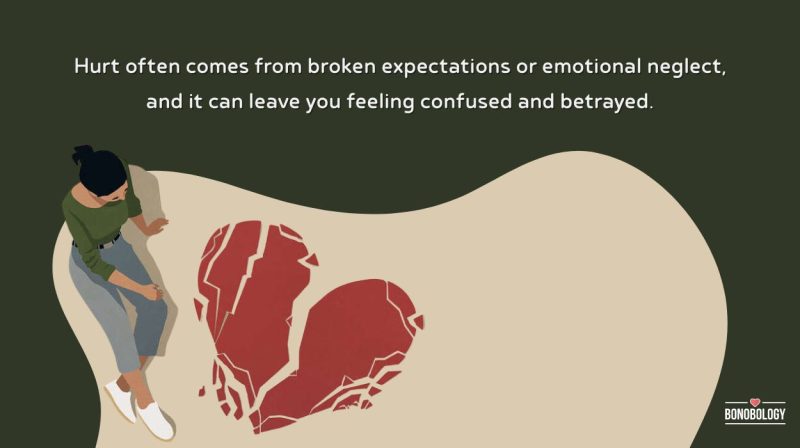
Have you ever felt disappointed when someone you love hurts you? Perhaps a partner, family member, or close friend let you down unexpectedly. That feeling of hurt in love can cut deep, triggering heartbreak and sadness. In relationships, hurt often comes from broken expectations or emotional neglect, and it can leave you feeling confused and betrayed.
It’s natural to feel sadness, anger, or even shame when someone you trust hurts you. You might replay the moment over and over or blame yourself. In this guide, we’ll explain why this hurts so much and what to do about it. You’ll find empathy, practical steps, and coping strategies to help you heal and rebuild your emotional resilience.
Why It Hurts: Psychological And Emotional Roots
Table of Contents
When someone you depend on disappoints or hurts you, it can trigger deep attachment wounds. Psychologically, humans form bonds and rely on loved ones to meet our needs. When trust is broken, it creates a kind of betrayal trauma. In other words, if someone we count on ends up harming us, it shakes our sense of safety.
Our expectations in love play a big role:
- We anticipate empathy, support, and reliability from loved ones
- If your partner or family member fails to meet those expectations, it often feels like a personal failure or rejection
- These broken expectations can leave you feeling hurt and betrayed
- The hurt typically shows up as a mix of sadness, anger, confusion, and guilt
Attachment theory explains why this pain can be so intense. From childhood, we learn to trust certain people with our feelings. When someone violates that trust, it can feel like a childhood wound reopening. Even minor slights can hurt because they tap into heartbreak and sadness tied to deep bonds.
Common patterns and signs
Knowing how this hurt tends to play out can help you identify what’s happening. Common hurtful behaviors include:
- Ghosting or silence: They suddenly stop replying or withdraw, making you feel abandoned
- Inconsistent behavior: One day they’re affectionate, the next day distant or critical. This rollercoaster can create anxiety and confusion
- Broken promises: They fail to follow through on commitments. For example, when they often forget important dates or cancel plans, each forgotten promise feels like another rejection
- Insensitivity or criticism: They say hurtful things in anger or fail to consider your feelings, causing emotional wounds
In response to this hurt, you may feel:
- Rumination: Constantly replaying the hurtful incident or obsessing over what you could have said
- Self-blame: Wondering if you somehow caused their behavior or deserved the hurt
- Mood swings: You might cycle between crying and feeling angry or numb. One moment you’re upset, the next you feel furious
- Distrust: After being hurt, you may question your own judgment and become hypervigilant for signs of betrayal in a relationship
If the hurt recurs, the pain compounds over time. One-time mistakes happen to everyone, but a pattern of disappointment may signal an unhealthy cycle. It’s important to notice if you’re trapped in a loop of feeling disappointed again and again by the same person, as that often calls for setting firmer boundaries or getting help.

Why Someone You Love Hurts You
While it doesn’t excuse their behavior, understanding why someone you love might hurt you can help depersonalize the pain. Common factors include:
- Unintentional harm: Often, people don’t set out to hurt you. They might be distracted, stressed, or simply unaware of your needs. For example, they might say something thoughtlessly without realizing the impact
- Miscommunication: Small misunderstandings can snowball. Maybe you needed support but didn’t ask explicitly, and they took your silence the wrong way. Holding back feelings can lead to resentment on both sides
- Emotional neglect or unmet needs: If one person’s needs aren’t met, they might lash out or withdraw. Sometimes people who are emotionally unstable or dealing with their own pain end up unintentionally hurting those closest to them
- Defense mechanisms: To protect themselves, someone might use blame or projection, pushing their own insecurities onto you. For instance, they might say “It’s your fault” when, deep down, they feel guilty or afraid
From their perspective, they might feel intense guilt: it’s common for people to think, “I hurt the person I love the most.” This awareness, even if unspoken, is a first step toward empathy for you. It shows they recognize the damage done, at least a little. But sometimes a person might remain oblivious to your pain, caught up in their own issues.
How Does It Impact You?
Being hurt by someone you care about can have serious effects:
1. Emotional impact
Immediately, you may feel heartbroken, humiliated, or enraged. Your self-esteem can take a hit, you might wonder why this happened to you. In the long run:
- Unresolved hurt can lead to trust issues
- You might start expecting future disappointments
- You may become guarded or even cynical about others’ intentions
- Feelings of betrayal can result in a lingering “psychic wound”, akin to grief or severe anxiety
Related Reading: Is He Shy Or Not Interested? 26 Ways To Tell The Difference
2. Behavioral impact
Right after the hurt, you might:
- Withdraw from the person or give them the silent treatment
- Become unusually defensive or irritable
- Throw yourself into work or hobbies to distract from the pain
- In extreme cases, you may have thoughts of self-harm or depression; if that happens, reach out for help immediately
- Over time, chronic stress from this kind of emotional pain can affect your physical health
3. Relational impact
Trust is the glue of relationships. When it’s broken, communication often breaks down too.
- You may replay grudges and find it hard to be vulnerable again
- If hurt isn’t resolved, you might eventually cut the person off
- In families, this can lead to estrangement
- In romantic relationships, it could mean frequent fights or even a breakup
Psychologists note that trust cements relationships and instills the ability to move confidently in the world. When that trust shatters, your sense of security and self-confidence can be rattled. Restoring it takes time and consistent effort; without it, you may stay guarded in future relationships.

What You Can Do: Healing Strategies And Steps
Here are some practical steps and coping strategies to move forward after being hurt by someone you love:
1. Allow yourself to feel
Your feelings are valid. It’s normal to be angry, sad, disappointed, or even confused. Don’t bottle these emotions up. You are allowed to:
- Be angry
- Be sad
- Feel disappointed
- Cry if you need to
- Scream into a pillow in private
- Or simply vent to a journal
“I always felt like I was in the wrong for feeling angry throughout my life, and I always ended up gaslighting myself into things not being that bad. I think allowing myself to be angry is a healthy step to healing, at least”
Reddit user
2. Practice self-care
Taking care of yourself is essential. Do things that nurture you physically and mentally.
- Exercise
- Get fresh air
- Eat nourishing foods
- Sleep well
- Engage in hobbies or activities that make you feel good
- Give yourself little treats like a warm bath, your favorite movie, a walk in the park
Experts note that good self-care restores self-esteem, confidence, and resilience.
3. Reach out for support
Isolation can make pain worse. Talking it out can make the hurt feel more manageable.
- Share your feelings with trusted friends or family members who truly care. Being around empathetic people reminds you that not everyone will hurt you
- If you don’t feel safe sharing with someone you know, consider support groups or online forums like r/relationships
- Hearing others’ experiences can also help you feel understood
Related Reading: 19+ Most Commonly Used Cheating Apps For iPhone
4. Express yourself creatively
Journaling or other forms of expression can be therapeutic. Write about what happened and how you feel. Research shows that writing about trauma and emotions can help organize thoughts and reduce stress.
- You might write an unsent letter to the person who hurt you, to vent all your feelings safely
- Writing poetry or songs is another good option
- If words are not your forte, drawing can be a good outlet

5. Set clear boundaries
Decide what behavior you will and won’t accept going forward. You have a right to protect yourself. For example, you might:
- Tell the person, “It hurts me when you say X; I need you to stop”
- Take some time apart
- Set a boundary like no more arguments late at night
- Go firm no contact for a while
Remember, setting boundaries is about safeguarding your well-being, not punishing the other person. It’s okay to prioritize your emotional health.
Related Reading: Intimacy vs Sex: How They Differ & Why Both Matter
6. Communicate constructively
If the relationship matters to you and it feels safe, try talking to the person who hurt you about how you feel.
- Use calm “I” statements, for example, “I felt hurt when you…”
- Explain specifically what upset you and why. This isn’t about blaming, but about helping them understand the impact of their actions
- Keep in mind that the goal is clarity and resolution, not just a new argument
Sometimes people genuinely don’t realize they hurt us until we tell them. If they listen and empathize, that can start to rebuild trust. But remember, you can only control your communication, not their response.

7. Practice compassion
This might sound surprising, but trying to see things from the other person’s perspective can help you heal.
- Compassion doesn’t excuse the hurtful action, but it can reduce bitterness. For instance, maybe they said something awful when they were under stress
- Recognize that everyone is flawed, including you
- Also, be gentle with yourself: remind yourself that feeling hurt doesn’t make you weak. You deserve kindness, and that includes self-compassion as you heal
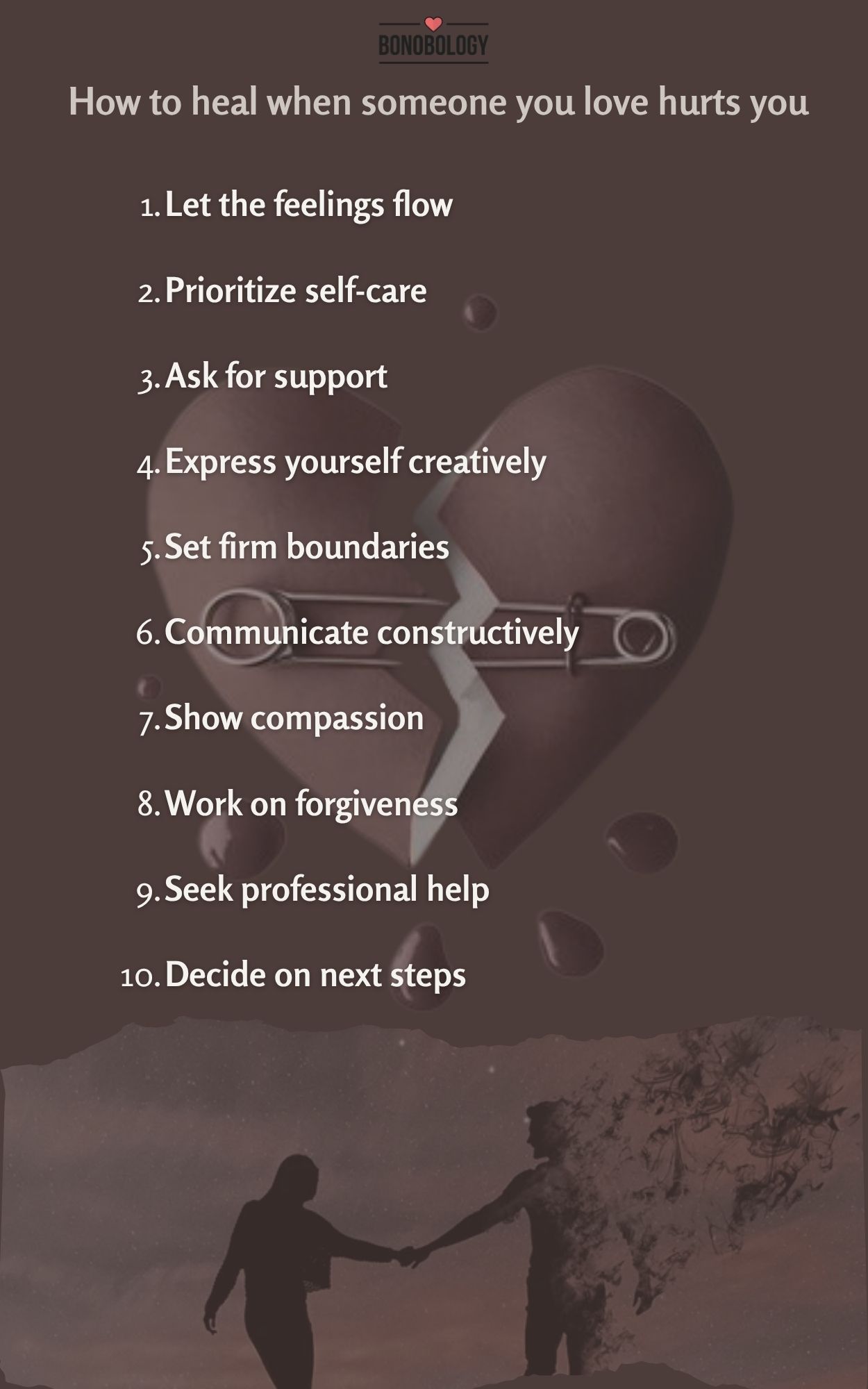
8. Work on forgiveness
Forgiveness is often misunderstood. It doesn’t mean approving of the hurt or pretending it didn’t happen. Rather, forgiveness is a conscious choice to release resentment for your own sake.
“[Forgiveness] looks bad behavior in the eye, names it, allows oneself to feel it, but fully moves on from it” – Fred Luskin, director of the Stanford University Forgiveness Project
In practice, this means acknowledging the hurt and then deciding to let it go so it doesn’t keep poisoning you. If you find yourself wondering “how to forgive in a relationship” or “how to forgive your partner,”:
- Start by identifying exactly what needs to heal
- Then, make a conscious decision to let go of anger
- This doesn’t mean you excuse what happened. Forgiveness frees you from carrying the burden of bitterness
People who practice forgiveness tend to have better mental health and even happier relationships. But remember, it’s a process: you might forgive a little bit at a time, and that’s okay.
Related Reading: 10 Essential Online Dating Tips For Women
9. Seek professional help if needed
If the pain feels too big to handle alone, talking to a counselor or therapist can help. A professional offers a safe, neutral space to:
- Vent
- Learn coping strategies
- And make sense of what happened
Couples therapy or family therapy could help if both parties want to repair things together. Experts advise reaching out if your hurt turns into persistent depression, anxiety, or you have thoughts of self-harm.
When to seek professional help
Sometimes self-help isn’t enough, especially if the hurt is deep. You should consider therapy or counseling if:
- Intense pain lingers: If you feel stuck in overwhelming hurt or sadness that doesn’t improve after a couple of weeks, professional help can guide you
- Harmful thoughts arise: If you have thoughts of self-harm, suicide, or feel completely hopeless, get help immediately by contacting a mental health hotline or professional
- Daily life is disrupted: If your pain interferes with work, school, or basic self-care like sleeping, eating, or focusing, therapy can support you
- Complex issues are involved: If the situation touches on deep trauma, abuse, or mental health issues like addiction, it’s wise to have expert guidance
- You need help mediating: Sometimes having a neutral person to talk with the other party helps. Couples or family therapy can improve strained relationships. The Cleveland Clinic notes that family therapy is specifically designed to improve “relationships between family members, stress, anger, and emotional trauma”
Reaching out for help is a sign of courage and self-respect, not weakness. You don’t have to heal all on your own.
10. Decide on next steps
Ultimately, you have to consider whether the person who hurt you is willing to change. Are they genuinely remorseful and making an effort?
- If you believe they can change and you want to continue, agree on small steps together, like honest conversations or therapy, and rebuild slowly
- Celebrate small positives. For example, if they remembered a day that matters to you or they apologized sincerely, acknowledge it
- But if the hurtful behavior continues or they show no accountability, it may be healthier to move on. Leaving is painful, but staying in a pattern of hurt can cause more long-term damage
Whether you stay or leave, focus on rebuilding trust in a relationship or seeking closure. If you stay, take it slow: rebuild trust one honest action at a time. If you go, allow yourself to grieve the loss.
“Have enough courage to trust love one more time and always one more time”
– Maya Angelou
Myths And Misconceptions
It’s easy to fall into false beliefs when you’re hurt. Here are some misconceptions to watch out for:
- “If I loved them enough, they would never hurt me”: This is false. Even the kindest, most loving people make mistakes or have bad days. Everyone is “fallible, flawed” as Dr. Fred Luskin, the director of the Stanford University Forgiveness Project, reminds us. Deep love doesn’t immunize against pain
- “If I forgive them, I have to stay in the relationship”: Not at all. Forgiveness is for you, not a guarantee of reconciliation. You can forgive someone internally without resuming the same relationship dynamic
- “They’ll change someday if I just wait”: You cannot force another person’s growth. Waiting indefinitely can prolong your pain. Trust is rebuilt by consistent actions over time, not just promises. If months go by with no real effort or understanding from them, it may be healthier to stop waiting and protect your heart
- “Forgiveness is quick or easy”: In reality, forgiveness is often a slow process. It’s normal if it takes weeks or months to feel genuine forgiveness. Don’t pressure yourself to “just get over it.” Forgiveness means choosing to let go, but that choice can happen in small steps. Take it at your own pace
Avoid these myths by focusing on the reality: your feelings are valid, forgiveness is for your peace, and you deserve relationships where your needs are met.

FAQ
Absolutely. When someone you care about lets you down, feeling sad or angry is a natural response. It means you valued the relationship. Psychologists note that such disappointment is expected: it is natural to feel disappointed when someone you love hurts you. These feelings are part of being human. Recognizing them is healthy, as it shows your heart was invested.
Healing has no set timeline. Some people begin to feel better after a few weeks, while deeper wounds might take months. You’ll likely have good days and setbacks. The key is gradual progress: each act of self-care or moment of understanding helps you heal a bit more. If intense sadness or anxiety lasts most days for more than 2–3 weeks, it’s wise to reach out for support. Remember, it’s okay to heal at your own pace.
Yes, people sometimes say or do hurtful things without meaning to. Everyone has blind spots, and stress or personal issues can make someone insensitive. For example, a partner might criticize you when they feel overwhelmed, not realizing how much it hurts. This is where communication can help. Also remember that people are imperfect: we’re all “fallible, flawed”. Even if they didn’t mean to hurt you, your feelings are still real and deserve attention.
Begin by acknowledging your pain and deciding that you want to let go of anger. It can help to talk to a trusted friend or counselor, and maybe write down what happened. Remember, forgiving someone you love doesn’t excuse their actions, but it frees you from carrying a grudge. Take it slow; sometimes forgiveness comes in small bits over time.
Hurt from family can feel especially painful because you expected support from them. The steps are similar: recognize your hurt is valid, and if it’s safe, consider addressing it. Family therapy can be very helpful: experts note it’s designed to improve strained family relationships and heal emotional wounds. And if a family member repeatedly hurts you, it may be necessary to take more distance, even if it’s hard.
Key Pointers
- Your feelings are valid. It’s normal to feel disappointed when someone you love hurts you
- Take care of your body and mind: eat well, sleep, exercise, and do activities you enjoy. Connect with trustworthy friends or family for comfort
- If you choose to engage, talk honestly using “I” statements to explain what hurt you. Also decide what behavior you will no longer accept
- Forgiving someone you love doesn’t mean you condone the hurt. It means letting go of resentment so you can move on
- If your hurt is deep or persists, don’t hesitate to get professional help. Feelings of overwhelming sadness, anxiety, or thoughts of self-harm are signs it’s time to talk to a therapist or counselor
Final Thoughts
Being disappointed when someone you love hurts you is one of the hardest experiences in relationships. The sting of love pain reminds you how much you invested in that bond, and how deeply trust matters. Healing doesn’t happen overnight; it’s a process of allowing yourself to feel, setting boundaries, practicing self-compassion, and deciding what’s healthiest for you, whether that means rebuilding or moving on. Remember, your worth is not defined by someone else’s actions. You deserve love that uplifts, not love that repeatedly wounds. By taking small steps to process your emotions and seek support, you can turn heartbreak into resilience and emerge stronger, wiser, and ready to embrace healthier connections in the future.
The State Of Online Dating: What Dating Apps Statistics Say (2025)
I Don’t Trust My Boyfriend – 9 Probable Reasons And 6 Helpful Tips
Your contribution does not constitute a charitable donation. It will allow Bonobology to continue bringing you new and up-to-date information in our pursuit of helping anyone in the world to learn how to do anything.






Featured
Can 20‑Year Age Gap Relationships Really Work?
17 Deadly Signs Of An Immature Man And How To Deal
What Is A Break In A Relationship And How To Navigate It
Emotional Abandonment In Marriage: Signs, Causes, And Ways To Cope
15 Signs That Your Girlfriend Isn’t Sexually Attracted To You
Feeling Suffocated In A Relationship: Reasons, Signs, Ways To Deal
How Long Should A Relationship Break Be? A Therapist Answers
Why Do I Struggle To Communicate With My Partner? An Expert Answers
Will He Come Back After Silent Treatment? 15 Ways To Make Sure He Does
Why Do I Miss My Boyfriend So Much: Reasons And Ways To Deal
21 Clear Signs She Doesn’t Want A Relationship With You
How Narcissists Treat Their Exes — 11 Common Things They Do And How You Can Respond
Emotional Distance: Meaning, Causes, Signs, And Ways To Fix
My Boyfriend Is Grieving And Pushing Me Away: Tips To Cope And Comfort Your Man
What To Do When Your Relationship Is At Breaking Point?
Am I Overthinking Or Is He Losing Interest? 18 Signs To Help You Identify
Discover Your Worth: 13 Ways To Feel Loved And Appreciated
23 Backhanded Compliment Examples in Everyday Life That Are Actually Insults
11 Things That Happen When A Woman Shuts Down Emotionally – And How To Reconnect
15 Signs Of Emotional Detachment In Your Relationship