

Varnartilfinning í samböndum er það sem gerist þegar þú heyrir kvörtun sem árás og taugakerfið fer beint í sjálfsvörn. Í stað þess að meðtaka það sem maki þinn segir, byrjar þú að vernda ímynd þína, fyrirætlanir þínar eða „þína hlið á sögunni“. Þess vegna breytist samtalið fljótt í ásakanir, afsakanir og að tveir einstaklingar tala fram hjá hvor öðrum.
Þessi varnarstaða leiðir til óleystra vandamála, tilfinningalegra marbletta og gremju vegna þess að hvorugt ykkar finnst að verið sé að hlusta á það. Það sem hjálpar er að skilja ástæðurnar fyrir þessu og bæta upp eyðurnar í samskiptum ykkar í samræmi við það. Hér er heildarleiðbeining til að hjálpa þér.
Varnartilfinning í samböndum er sjálfsvörn sem birtist þegar þú finnur fyrir gagnrýni eða árás, en í stað þess að leysa úr ágreiningi magnar hún hann. Það lítur oft út eins og að kenna öðrum um, afsaka sig eða gera gagnárásir. Lykillinn að því að brjóta þetta mynstur er einföld meðvitund og lítil breyting:
- Pause
- Taktu ábyrgð á þínum hluta
- Og einbeittu þér að því að skilja maka þinn í stað þess að verja sjálfan þig
Hvernig lítur varnarhugsun út í samböndum?
Efnisyfirlit
Varnarstefna er mynstur þar sem maður verndar sig gegn hvers kyns gagnrýni vegna þess að maður sér hana sem persónulega árás frekar en bara endurgjöf. Til að stöðva óþægindin gerir maður eftirfarandi:
- Útskýrið
- réttlæta
- Réttar staðreyndir
- Snúðu sökinni við
- Eða gera þig að fórnarlambi
Vandamálið er að þessi „sjálfsverndarviðbrögð“ líta yfirleitt út eins og að kenna öðrum um, jafnvel þótt þú meinir það ekki þannig.
Tengd lesning: Þegar kona finnst hún vanrækt í sambandi | Hvað skal gera
Gagnleg leið til að skilja merkingu varnarhyggju í samskiptum er að sjá hana sem skörun milli sálfræði og lífeðlisfræði:
- Sálfræðilega líkist þetta varnarkerfi eða egóvörn, þar sem hugurinn reynir að draga úr kvíða eða ógn við sjálfsmyndina.
- Lífeðlisfræðilega séð lítur þetta oft út eins og ógnandi viðbrögð. Heilinn og líkaminn geta meðhöndlað ákveðnar stundir í samskiptum sem „hættu“ og virkjað streitukerfi sem búa þig undir að berjast eða flýja.
Þegar þú ert í því ástandi felur varnarsamskipti oft í sér:
- Fljótlegar truflanir
- Strangt staðreyndaeftirlit
- Hærri tónn
- Or gluggahleri niður
Dæmi um varnarleik
Ef þú ert í vörn í sambandi, þá hljóma orðin oftast eins og sjálfsvörn, en áhrifin eru oft eins og afneitun fyrir maka þinn. Þetta eru þær tegundir af fullyrðingum sem birtast aftur og aftur í rifrildi milli para :
- „Þetta er ekki mín sök.“
- „Þú gerir þetta líka alltaf.“
- „Ég var upptekinn, hvað býstu við?“
- „Þetta er ekki það sem gerðist. Þú manst þetta rangt.“
- „Svo nú er ég vondi gaurinn. Frábært.“
- „Fínt, ég held að ég geti aldrei gert neitt rétt.“
- „Hvers vegna ertu að ráðast á mig?“
- „Ef þú hefðir bara gert þitt, þá væri þetta ekki vandamál.“
Þú getur líka heyrt varnarhugsun í óyrtum vísbendingum:
- Augun rúlla
- Andvarp
- Brosandi
- Að snúa sér undan
- Eða þéttur, kaldhæðinn tónn
Óyrt merki hafa mikil áhrif á hvernig skilaboð eru túlkuð og geta bætt við eldinn.
„Þegar þú fer í vörn, þá er það bardaga- eða flóttaviðbrögðin sem grípa til aðgerða vegna þess að þér finnst þú vera ráðist á og rökhugsunarhluti heilans slokknar á.“
– Reddit notandi
Merki um varnarsemi í sambandi
Varnarhegðun í samböndum er yfirleitt auðvelt að greina þegar maður veit hvað maður á að leita að. Hún fylgir yfirleitt mynstri þar sem áherslan færist frá því að skilja málið yfir í að vernda sjálfan sig. Í stað þess að takast á við það sem maki þinn finnur fyrir færist hugurinn yfir í sjálfsvörn. Þú gerir þér kannski ekki einu sinni grein fyrir því á augnablikinu, en viðbrögðin byrja að hljóma endurtekin, næstum sjálfvirk.
Þú munt oft taka eftir nokkrum af þessum hegðunum sem gerast saman, sérstaklega í átökum:
- Að kenna maka þínum um gjörðir þínar eða tilfinningar
- Að búa til afsakanir til að komast hjá ábyrgð
- Gagnsókn eða að kenna öðrum um
- Að neita ábyrgð eða gera lítið úr hlutverki sínu
- Að leika saklaust fórnarlamb svo hinn aðilinn bakki frá
- Að rífast um staðreyndir og smáatriði í stað þess að fjalla um tilfinningaleg vandamál
- Að trufla og stafla sönnunargögnum, eins og þú sért að byggja upp mál fyrir dómi
- Að loka, fara eða tilfinningalega steindauða þegar yfirbugaður

Af hverju hegðar maki sér í varnarstöðu?
Í kjarna sínum er varnarstaða í samböndum afleiðing af misskilningi á merkingu orðanna eða slæmum samskiptum. Maki vekur upp vandamál en heilinn þýðir það í eitthvað harðara:
- „Ég hef áhyggjur“ verður að „þú ert að bregðast mér“.
- „Þetta særði mig“ verður að „Þú ert vond manneskja“.
- „Megum við tala um þetta?“ verður að „Þú ert að fara að verða til skammar.“
Um leið og þú finnur fyrir árás eykst tilfinningaleg viðbrögð þín og varnarsamskipti verða sjálfvirk.
Tengd lesning: Hvað á að gera ef þú finnur fyrir sambandsleysi við maka þinn?
1. Að finnast maður vera ráðist á eða gagnrýndur
Gagnrýni er ein af þeim viðkvæmustu. Þegar málefni er tekið upp á harðan og ásakandi hátt er varnartilfinning algeng. Ef þú vilt minnka varnartilfinninguna vinnurðu ekki aðeins með þann sem er í vörn. Þú dregur einnig úr skynjaðri gagnrýni með því að breyta því hvernig mál eru rædd. Þess vegna er mikilvægt að „byrja varlega“ og „ég finn“ aðferð.
„Ábyrgð er á báðum hliðum þessa samskiptamynsturs sem drepur hjónabandið. Ræðumaðurinn ber ábyrgð á að vekja athygli á málinu á óheilbrigðan og gagnrýninn hátt, og hlustandinn ber ábyrgð á að bregðast við í varnarskyni með því að hafna ábyrgð á sínum hlut í vandamálinu.“
– TyaCamellia Stone, löggiltur hjónabands- og fjölskyldumeðferðaraðili
2. Að vernda sjálfsálit
Sum varnartilfinning snýst í grundvallaratriðum um sjálfsálit. Þú ert að reyna að forðast skömm. Að viðurkenna að þú hafir gert mistök getur haft áhrif á sjálfsálit þitt í heild sinni, jafnvel þótt maki þinn hafi ekki meint það þannig.
Þetta er þar sem litlar tilfinningalegar öryggisbendingar hjálpa, eins og að meta hvert annað.
- Þegar þér finnst þú vera metinn að verðleikum, þá eyðileggur gagnrýni af og til ekki sjálfsvirðingu þína.
- Þegar þér finnst þú stöðugt metinn/metin, þá verstu betur
Tengd lesning: 7 þættir skilnaðarspár sem þú ættir að vera meðvitaður um
3. Að takast á við aðstæður í bernsku
Eins og með margt óöryggi og viðvörunarmerki getur varnarstefna stafað af áföllum í bernsku. Ef varnarstefna verndaði þig í bernsku frá því að lenda í vandræðum, ringulreið eða tilfinningalegum sársauka, þá kemur það ekki á óvart að fullorðna „þú“ haldir í hana út af lífinu. Þú óttast að maki þinn gæti misst ástina eða yfirgefið þig vegna mistakanna og þetta er eina leiðin sem þú þekkir til að takast á við þetta.
„Mér finnst ég óöruggur því ég er hræddur við að verða yfirgefinn. Ég er hræddur um að ásetningur minn sé rangur, svo ég finn þörf á að verja mig fyrir því að vera skilinn eftir.“
- Reddit notandi
Hvernig varnarstefna skaðar sambönd
Málið er að varnarstefna í samböndum verndar þig fyrir óþægindum; en hún kemur líka í veg fyrir nákvæmlega þá hegðun sem byggir upp traust: ábyrgð, samkennd, viðgerðir og lausn vandamála . Þó að hún virðist gagnleg til skamms tíma litið, þá eyðileggur varnarstefna sambandið þitt síðar meir. Við skulum skilja hana sem orsakasamhengi:
- Þegar þú ferð í vörn stigmagnast átökin í stað þess að leysast
- Varnartilfinning hefur tilhneigingu til að valda meiri ákefð frá hinum aðilanum vegna þess að viðkomandi finnst hann vera hunsaður eða kennt um.
- „Að verja sig“ verður oft að „að kenna maka sínum um“ og rifrildið magnast upp.
- Nú verður rökræðan aðalatriðið og raunveruleg vandamál eru sett til hliðar og hunsuð.
- Vegna þessa myndast tilfinningasár og gremja heldur áfram að aukast með hverju rifrildi
- Það er kjarninn í skaðanum: málið er aldrei tekið á og sambandið verður samt fyrir höggi.
- Þegar maki þinn finnst hann ekki hlustaður á, hættir hann að lokum að nefna hlutina.
- Þegar þetta verður venja fæst tilfinningaleg fjarlægð. Það verður öruggara að þegja, vera aðskilinn eða vera reiður heldur en að reyna að laga það.
- Með tímanum skapar þetta tilfinninguna að „ganga á eggjaskurnum“: þið bæði forðist umræðuefni vegna þess að þið vitið nú þegar hvernig handritið endar.

Varnarstefna í hjónabandi getur verið sérstaklega tærandi því sömu óleystu málin koma upp aftur og aftur:
- Húsverk
- Foreldrahlutverk
- Peningar
- Nánd
- tími
- Í lögum
Slagsmálin verða fyrirsjáanleg og þreytandi og þú byrjar að byggja upp neikvæða sögu um hvatir maka þíns.
Varnarhæfni sem einn af fjórum riddurum Gottmans
John Gottman og Julie Gottman, sálfræðingar sem rannsaka stöðugleika í hjónabandi, hafa lýst fjórum riddurum, sem eru eyðileggjandi átakastílar sem spá fyrir um sambandsslit. Fjórir riddarar eru gagnrýni, fyrirlitning, varnarstaða og mótþrói.
Hvernig á að hætta að vera varnarsinnaður í sambandi
Ef þú vilt breytingar sem haldast við, þá vinnurðu á tveimur stigum: fyrst líkamanum, síðan hugarfarinu. Þegar kerfið þitt er virkjað geturðu ekki talað þig til að róa þig. Þú verður að róa þig til að ná betri samræðum. Hér eru nokkur hagnýt skref sem munu hjálpa þér að brjótast út úr þessum hring.
1. Taktu ábyrgð, jafnvel að hluta
Byrjaðu hér því það er hraðasta leiðin til að draga úr átökum. Móteitur gegn varnarhugsun er að taka ábyrgð á eigin hlutverki í aðstæðunum, jafnvel þótt það sé aðeins fyrir hluta af átökunum.
Þetta virkar vegna þess að það breytir tilfinningalegri merkingu augnabliksins. Maki þinn hættir að finnast hann þurfa að sanna veruleika sinn. Þeim byrjar að finnast eins og þið séuð bæði á sömu hlið.
Hagnýt handrit sem þú getur í raun sagt:
- „Þú hefur rétt fyrir þér varðandi þann hluta. Ég missti af honum.“
- „Ég skil alveg hvernig þetta endaði illa. Ég meinti það ekki, en ég skil áhrifin.“
- „Ég er að fara í vörn. Gefðu mér smá stund. Ég vil heyra þig.“
Ef þú ert fastur í varnarstöðu í hjónabandi, getur þessi eina færni breytt tilfinningalegu hitastigi alls heimilisins því hún gerir átökin aftur nothæf.
Tengd lesning: 16 merki um óörugga karla og hvernig á að takast á við þau
2. Gerðu hlé áður en þú bregst við
Að gera hlé þýðir ekki að þú sért að taka fulla ábyrgð. Þú ert einfaldlega að gefa taugakerfinu þínu tíma til að róast svo þú getir valið viðeigandi viðbrögð. Skynjuð ógn, eða hugsanleg átök í þessu tilfelli, virkjar foss í gegnum heilann og líkamann sem gerist hratt, stundum áður en þú getur meðvitað unnið úr því sem er að gerast. Þess vegna getur þér fundist þú vera rændur svona fljótt. Svo, áður en þú bregst við:
- Taktu einn rólegan andardrátt áður en þú talar
- Lækkaðu axlirnar
- Slakaðu á kjálkanum
- Segðu: „Ég vil svara vel. Leyfðu mér að hugsa mig um andartak.“
Ef þú átt í erfiðleikum með tilfinningalega truflun, þá mun þessi pása gera kraftaverk við lausn ágreinings.
Tengd lesning: Hvað á að gera þegar sambandið er á þolmörkum?
3. Staðfestu tilfinningar maka þíns
Að staðfesta tilfinningar maka þíns þýðir ekki að þú sért að viðurkenna að þú hafir rangt fyrir þér. Það er einfaldlega leið til að láta viðkomandi finna að á hann sé hlustað. Þetta skiptir máli því margar rifrildi snúast í raun ekki um staðreyndir heldur tilfinningalegt sambandsleysi.“ Þegar maki þinn er í uppnámi spyr hann oft: „Skiptir ég þér máli núna?“ Staðfesting getur litið svona út:
- „Það er rökrétt. Ég skil alveg af hverju þér finnst það.“
- „Ég skil þig. Þér fannst þú vera vísað frá.“
- „Ég sé að þetta er mikilvægt. Segðu mér meira.“
Með tilfinningalegri staðfestingu færist þú frá mats- og stjórnunarmáli yfir í samkennd og vandamálamiðun, sem hefur tilhneigingu til að draga úr varnarsemi.
Reyndu að skipta út viðbragðssvörun þinni fyrir spurningu sem neyðir heilann í hlustunarham:
- „Hvaða hluti af þessu særði þig mest?“
- „Hvað þarftu frá mér næst?“
- „Snýst þetta um þennan tiltekna atburð eða býr eitthvað stærra undir niðri?“
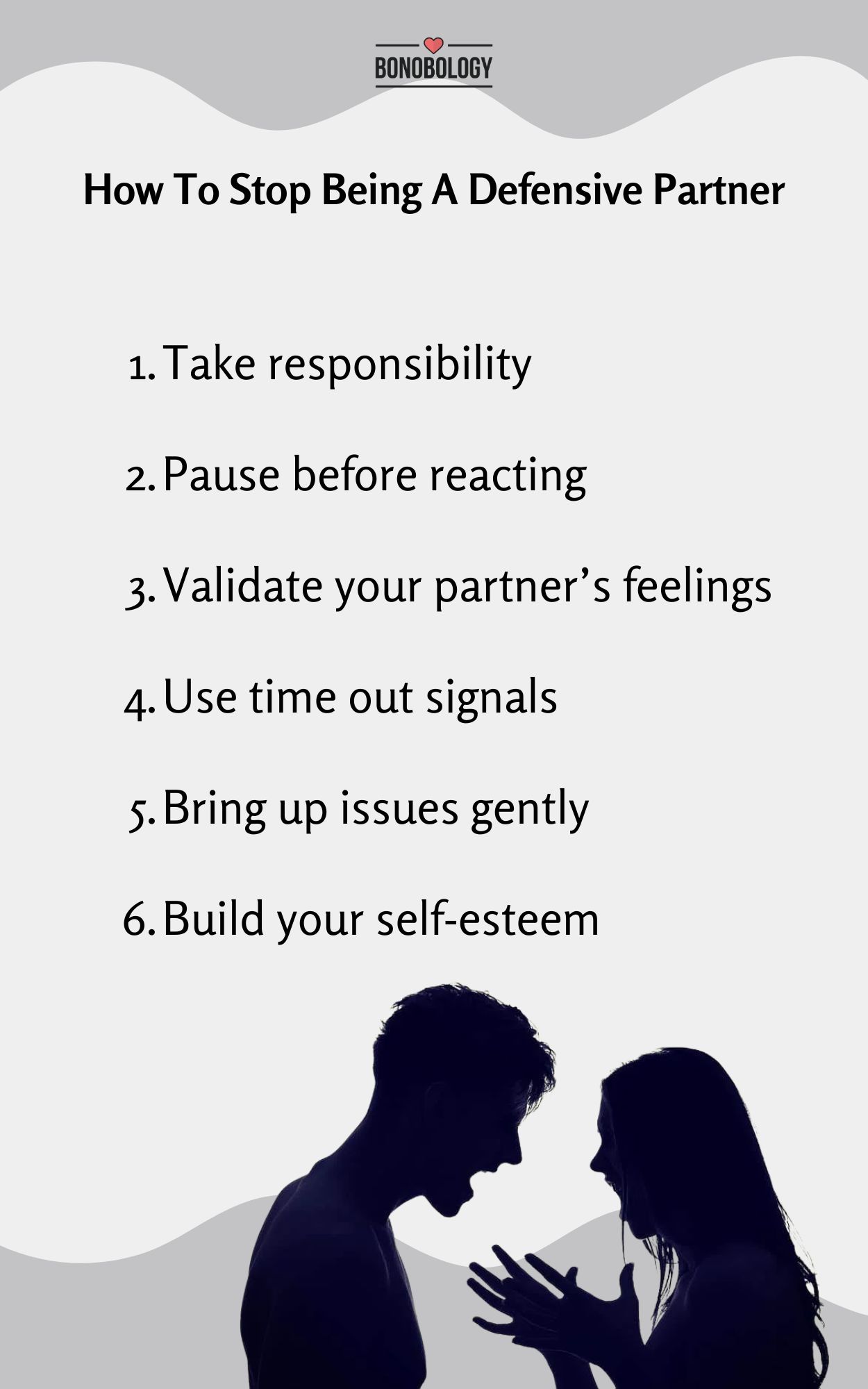
4. Notið tímamörk
Þegar ástandið hitnar í gegn og þér finnst þú vera að missa stjórn þarftu fyrirfram ákveðna útgönguleið.
leikhlésmerki, orð eða einföld bending sem þýðir „við erum að fara í vörn, við þurfum að gera hlé.“ Notið þetta merki um leið og þið takið eftir breytingunni til að koma í veg fyrir að hlutirnir fari úr böndunum.
Í hléinu:
- Þú gerir eitthvað róandi
- Ekki einblína á vandamálið eða æfa þig í réttarsalnum.
- Þegar þú ert orðinn nógu rólegur skaltu koma aftur og hefja umræðuna á ný
Mundu að nota ekki þennan tíma til að refsa maka þínum eða flýja rifrildið endalaust. Það mun draga úr áhrifum þess.
5. Byrjaðu varlega þegar þú leggur fram vandamál
Hingað til hefur þessi hluti einbeitt sér að því hvernig varnaraðilinn getur bætt sig. En hjón geta einnig dregið úr varnarsemi með því að breyta því hvernig málefni eru rædd í upphafi.
Létt byrjun lítur svona út:
- Þú leiðir af tilfinningu
- Lýstu aðstæðum án þess að kenna á
Og gerðu skýra beiðni
Til dæmis: „Mér finnst ég vera yfirþyrmandi þegar eldhúsið er látið standa svona yfir nóttina. Ég þarf að við endurstillum það fyrir svefninn.“
Þetta dregur úr skynjaðri gagnrýni og gerir varnarsinnaðari frá maka þínum ólíklegri.
6. Byggðu upp innra öryggi með skjótri sjálfsstaðfestingu
Rannsóknir á sjálfsstaðfestingu benda til þess að þegar þú festir akkeri í stöðugri sjálfsmynd geturðu tekið við ógnandi upplýsingum með minni varnartilfinningu. Ef þú hefur tilhneigingu til að verjast vegna lágs sjálfsmats og vegna þess að öll viðbrögð finnast eins og þú sért að mistakast, geturðu æft þig í að staðfesta gildi sem skipta þig máli fyrir eða á meðan erfiðum samræðum stendur. Hér er það sem þú gerir:
- Veldu eitt gildi sem þú vilt lifa eftir, eins og sanngirni, vöxt, tryggð, ró eða heiðarleika.
- Spyrðu sjálfan þig: „Hvernig reyni ég að lifa eftir þessum gildum?“
- Byrjaðu síðan aftur á samtalinu með það að markmiði að skilja fyrst, útskýra síðan

Hvernig á að takast á við varnarfélaga
Ef maki þinn fer í vörn gæti fyrsta hvöt þín verið að:
- Ýttu fastar
- Listi yfir sannanir
- Eða hækka röddina til að vera „loksins skilinn“
Það gengur næstum alltaf öfugt því gagnrýni hefur tilhneigingu til að leiða til varnartilfinningar, sem síðan leiðir til meiri gagnrýni. Svona heldurðu þinni hlið í samskiptunum hreinni án þess að verða óvirkur.
- Byrjaðu með tilfinningaþrunginn tón, ekki ánægju. Ef tónninn þinn gefur til kynna stjórn eða yfirburði, þá mun ógnandi viðbrögð hins aðilans virkjast hraðar.
- Notaðu „mér finnst“ fullyrðingar ásamt einni sérstakri beiðni
- Ekki rífast um staðreyndir þegar tilfinningarnar eru í hámarki. Ef maki þinn er að troða staðreyndum saman geturðu sagt: „Við getum lagað smáatriðin síðar. Ég vil ræða áhrifin.“
- Hringdu í tímahlé um leið og þú finnur að þú missir stjórn
- Ef mynstrið er langvarandi skaltu ræða það þegar þú ert róleg(ur). Í rólegu glugganum geturðu sagt: „Þegar ég nefni áhyggjuefni beygir þú oft af eða bendir á það sem ég gerði rangt, og ég enda á því að...“ tilfinning um vanrækslu"
- Ef þú ert að glíma við varnartilfinningu í hjónabandi eða sambandi og hún fylgir móðgunum, hótunum, ógnum eða endurtekinni niðurlægingu, þá skaltu líta á það sem öryggismál, ekki samskiptastíl. Á þeim tímapunkti duga almenn samskiptaráð ekki og þú þarft faglega hjálp.
| Varnarviðbrögð | Heilbrigð viðbrögð |
| Kennir maka sínum á | Tekur ábyrgð á sínum hluta |
| Býr til afsakanir | Viðurkennir mistökin og leggur sig fram um að bæta fyrir þau |
| Skyndiárásir | Hlustar virkt og spyr skýrandi spurninga |
| Hafnar tilfinningum | Staðfestir tilfinningar og heldur sambandi |
| Deilur um staðreyndir | Leggur áherslu á áhrif og þarfir |
| Slekkur á sér eða rýkur í burtu | Notar tímafrest og kemur til baka á réttum tíma |
SPURNINGAR
Stundum er algengt að fólk haldi sér varnarlega. Langvarandi varnarleg hegðun er viðvörunarmerki því hún kemur í veg fyrir ábyrgð og heldur vandamálum óleystum. Ef öll áhyggjuefni breytast í að kenna öðrum um, staðreyndastríð eða afneitun, missir sambandið tilfinningalegt öryggi og gremja magnast.
Ef þú heldur áfram að vera varnarlaus í sambandi, byrjaðu þá á að nefna það í rauntíma, gerðu svo hlé og taktu síðan ábyrgð á þínu hlutverki. Taktu 20 mínútna hlé ef þú ert undir miklu álagi, komdu aftur þegar þú ert rólegur og staðfestu það sem maki þinn upplifði áður en þú útskýrir þig. Sú röð dregur úr ógninni og heldur tengslunum sterkum.
Stundum. Þetta getur verið gömul aðferð sem hjálpaði þér sem barn en veldur skaða sem fullorðinn. Það gerir þig ekki „vondan“. Það þýðir að taugakerfið þitt er sjálfgefið að vernda sjálfan sig. Þroski er að læra að þola óþægindi nógu lengi til að hlusta, taka ábyrgð og laga vandamálið.
Helstu ábendingar
- Varnartilfinning í samböndum er verndandi viðbrögð við skynjaðri ógn, en hún birtist yfirleitt sem ásökun og afsökun.
- Það eykur átök, hindrar ábyrgð og skapar tilfinningalega fjarlægð þegar vandamál eru óleyst.
- Hraðasta mótefnið er að taka ábyrgð að hluta, síðan kemur staðfesting og forvitni.
- Hlémerki og 20 mínútna sjálfsróunarhlé hjálpa þegar skapið er hátt og ekki er hægt að hlusta.
- Að vera varnarsinnaður í samböndum getur breyst, en það krefst æfingar, ekki bara innsýnar
Lokahugsanir
Varnartilfinning í samböndum getur hljóðlega skaðað jafnvel sterk tengsl, oft án þess að þú takir eftir því á augnablikinu. Það sem líður eins og að vernda sjálfan sig er yfirleitt viðbrögð við skynjaðri gagnrýni, knúin áfram af tilfinningalegum örvum, óöryggi í samböndum eða gömlum aðferðum við að takast á við erfiðleika. En sannleikurinn er sá að það að vera í þessari varnarsamskiptahringrás skapar aðeins meiri fjarlægð og misskilning. Breytingin hefst þegar þú stoppar, tekur jafnvel litla ábyrgð og velur skilning frekar en að bregðast við.
17 rauðir fánar í sambandi sem vert er að vera á varðbergi gagnvart
17 banvæn merki um óþroskaðan mann og hvernig á að bregðast við þeim
Framlag þitt telst ekki vera góðgerðargjöf . Það gerir Bonobology kleift að halda áfram að færa þér nýjar og uppfærðar upplýsingar í leit okkar að því að hjálpa öllum í heiminum að læra hvað sem er.














Grein
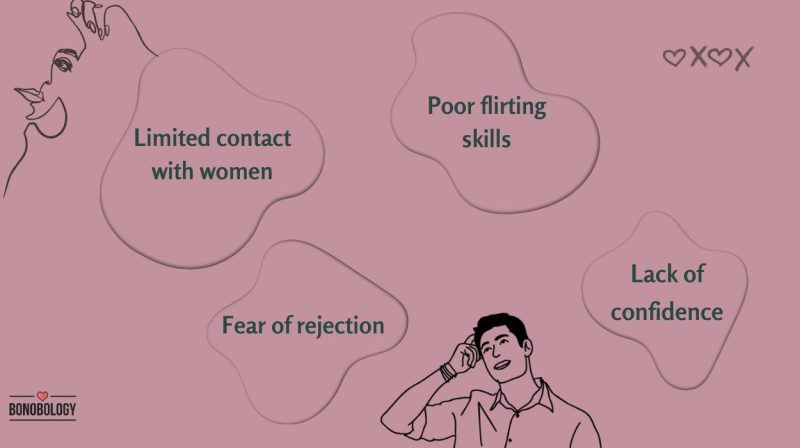
Ég er þrítugur og hef aldrei átt kærustu: Það sem þú ert að gera rangt
Ímagómeðferð: Hvað það er, hvernig það virkar, ávinningur og atriði sem þarf að hafa í huga
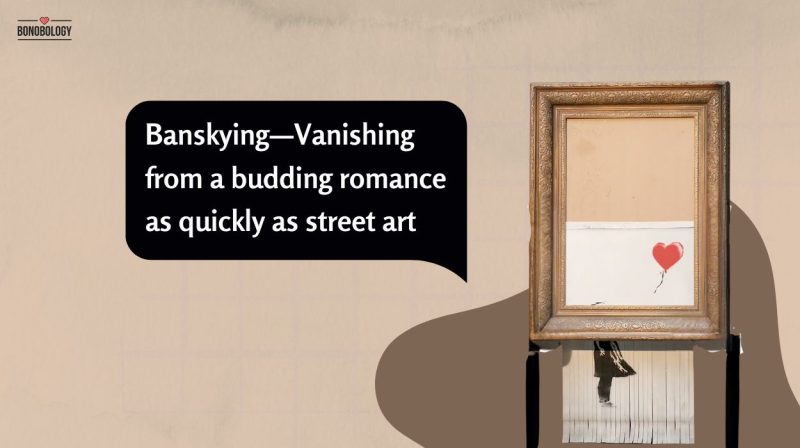
Banksying í stefnumótum: Hvað það þýðir og hvernig á að þekkja það
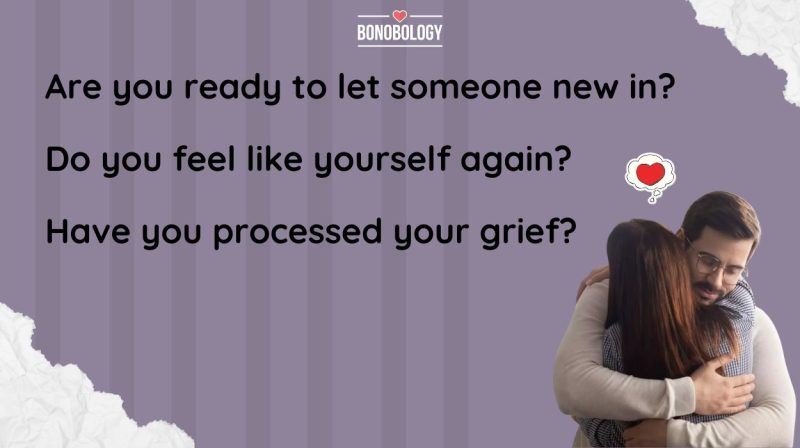
Er ég að taka of langan tíma eftir andlát maka míns - hvernig á að taka ákvörðun?
15 merki um að þú munir byrja aftur með fyrrverandi maka þínum
Hvernig á að komast yfir traustsvandamál — meðferðaraðili deilir 9 ráðum
Lærðu hvernig á að fyrirgefa sjálfum þér fyrir að meiða einhvern sem þú elskar
Hvernig á að finna frið eftir að hafa verið svikinn - 9 ráð frá meðferðaraðila
Hvernig á að takast á við sviksemi eiginmanns
35 truflandi merki um gaslýsingu í sambandi
Hvað er narcissistic draugur og hvernig á að bregðast við því
„Maðurinn minn byrjar að berjast og kennir mér síðan“: Leiðir til að takast á við
Hvernig á að endurbyggja líf þitt eftir dauða maka: 11 ráð með stuðningi sérfræðinga
Maðurinn minn dó og ég vil fá hann aftur: Að takast á við sorgina
„Er ég óelskandi“ - 9 ástæður fyrir því að þér líður svona
11 merki um að kærastan þín hafi verið misnotuð kynferðislega í fortíðinni og hvernig á að hjálpa henni
Að takast á við sambandsslit: Skilnaðarforritin sem þú verður að hafa fyrir símann þinn
15 merki um að þú sért að sóa tíma þínum í að reyna að fá fyrrverandi manninn þinn aftur
Af hverju ertu heltekinn af einhverjum sem þú þekkir varla - 10 mögulegar ástæður
33 setningar til að slökkva á gaslýsingu og þagga niður í gaskveikjara