
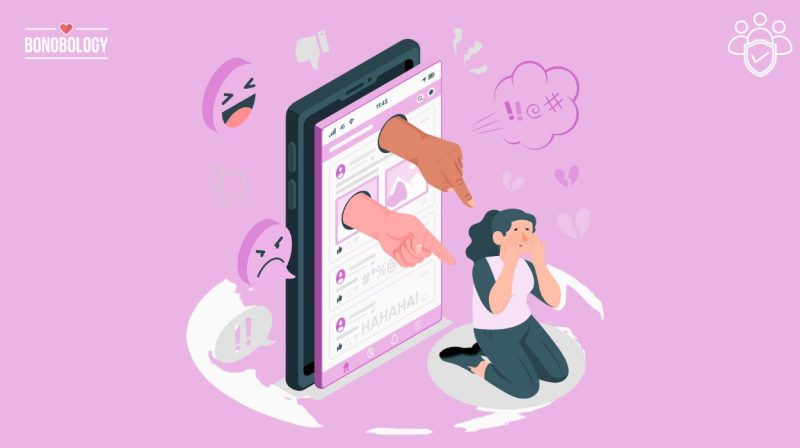
Whether you’re swiping for a casual fling, searching for a life partner, or mingling in elite “luxury” dating circles, it’s critical to prioritize safe online dating above all else, especially in a city like New York, where there are so many people in the mix that you get endless opportunities to connect. However, these endless opportunities also carry an equal heft of risks.
Scammers, catfish, and creeps lurk even on the best and safest dating apps (although their numbers may be relatively less or they may get spotted and removed), and anyone, regardless of dating goals, can fall victim if they’re not careful. The hit Netflix documentary, The Tinder Swindler, was a wake-up call that raised awareness about how con artists lurk on dating apps.
In fact, that incident wasn’t a one-off. Americans have reportedly lost over $1.3 billion to romance scams in the past five years alone. And it’s not just money on the line. These incidents come at an emotional cost and can take a real toll on your mental health. A recent survey found that 91% of single women worry about their safety on dates, and 44% have felt unsafe on dates. Clearly, safety isn’t a luxury, it’s a must-have.
So, how do you date confidently in the city that never sleeps, without losing sleep over your safety? This guide will walk you through practical steps to verify your online matches and meet up securely. We’ll cover everything from digital privacy to gut instincts, with tips backed by cybersecurity and mental health experts. Let’s dive in and make sure that chemistry is the only thing you have to worry about on your next date!
10 Non-Negotiable Safe Online Dating Practices for NYC Singles
Table of Contents
Online dating is supposed to be fun and exciting, and it can be, as long as you keep your safe online dating toolkit handy. Below are 10 non-negotiable tips to help skirt the danger of online dating by verifying who you’re really talking to and ensuring your in-person meetups are as safe as they are romantic:
1. Do your homework—verify their identity online
Before you get swept up in the excitement of a new match, take a step back and verify that they are who they claim to be. A little online sleuthing can save you from a world of trouble. Catfish and scammers often slip up somewhere. Maybe that profile pic is stolen, or their name doesn’t match what they told you. A quick search can reveal these inconsistencies. Here are some methods you can employ:
Reverse image search their photos
The FTC explicitly recommends reverse-searching photos before taking things further with a match. Take one of their profile pictures and drop it into Google’s image search. See if that photo is tied to someone else, pops up on sketchy websites, or is a stock photo.
Google their basic details
Search their name, job title, or any unique info they’ve given you. Does everything check out? If they claim to be a hedge fund manager but nothing comes up online, consider that a yellow flag.
Related Reading: Top 7 NYC Dating Apps Compared
Scan social media or LinkedIn
Most real people have some kind of digital footprint. You don’t need to stalk them, but a LinkedIn or Instagram account that aligns with their dating profile adds credibility. No trace at all could mean an alias or a very new account.
Ask for a casual proof pic
If something feels off, you can playfully ask for a selfie. A legit match won’t mind snapping a current photo, but someone catfishing you will make excuses.
“Every picture tells a story. Do a reverse image search of the person’s profile picture or any photos they’ve sent you.”
— FTC
2. Stick to verified profiles and stay skeptical
Many popular dating apps offer verification features. Take advantage of them. If an app has blue check marks or other ID verification, prioritize matches who have those badges. It’s an extra layer of reassurance that the person in the pics is real. That said, don’t let your guard completely down. Not all platforms verify users, and even on the ones that do, you should keep a healthy dose of skepticism until someone proves they’re trustworthy. Remember,
Use reputable apps
Larger, well-known apps such as Bumble, Hinge, etc. have more robust safety measures. Some even let you verify photos or IDs. This doesn’t guarantee safety, but it’s a good start.
Verified doesn’t mean vetted
Remember that a verification badge only confirms identity, not character. Continue to watch for sketchy behavior, even if someone is “verified.”
Related Reading: How To Pick the Best Dating App NYC As Per Your Lifestyle
Be wary of unverified strangers
Patrick Craven, a spokesperson for the Center for Cyber Safety and Education, warns, “Not all dating sites verify profiles or screen members, so singles should treat each incoming message with a healthy amount of suspicion and skepticism.” Until you really get to know the other person, consider every match a polite stranger, friendly, but not yet deserving of your full trust.
Look for consistency
Even if your match doesn’t have any verifications, it’s not necessarily a red flag. Plenty of people don’t. But in that case, you need to be extra mindful that their stories, photos, and details stay consistent over time. If things aren’t adding up, step back and reevaluate.
3. Protect your personal details

In the early talking stages, less is more when it comes to your personal info. You’re just getting to know this person, they don’t need to know your home address or where you grab coffee every morning. Oversharing can make you vulnerable, not only to scams but to stalking or harassment. Even in a city as large as NYC, someone with just a few details about you could potentially find out where you live or work. Be in control of what and when you share.
“There are literally 150 or 200 sites that will have your personal information on them, and those sites make it super easy for someone you might meet online dating to look up your information, find your phone, find where you live…”
Mark Kapczynski, cybersecurity expert
Don’t use your real or full name
On dating apps, stick to your first name or a nickname. There’s no need to give your last name or Instagram handle on day one.
Hold off on personal identifiers
Avoid sharing your address, workplace, or daily routines early on. RAINN, a leading safety organization, advises never sharing things like your home address or other personal details with someone you’ve just met online.
Related Reading: 13 Best Online Dating Tips To Set You Up For Success
Get a Google Voice number
If you move off the app, consider using a secondary phone number like a free Google Voice number or a messaging app that doesn’t reveal your real number. This way, you can cut contact easily if needed, without them having your main line.
Clean up your digital footprint
It’s a good idea to Google yourself in an incognito window. What comes up? Tighten your privacy settings on Facebook or other accounts so strangers can’t learn everything about you. You can even opt out of those people-finder sites that list your info. The less a new match can sleuth about you, the better you control the flow of information.
4. Don’t overshare—scammers use these details against you
When you’re dating, it’s natural to want to bond over common interests. Maybe you both love indie films or Michelin-starred restaurants, and sharing such harmless details about your likes and dislikes is fine. For the sake of internet dating safety, be mindful not to spill too much, too soon. Skilled romance scammers will pump you for info and then use that knowledge to mirror your perfect partner. They’ll claim to love that obscure band you mentioned, or coincidentally have visited your hometown.
It can feel exciting to meet someone who seems so compatible—that’s exactly how they reel people in. Oversharing gives fraudsters the ammo they need to manipulate you. Cybersecurity expert Dave Hatter explains, scammers can collect details from what you share and breaches of your data, then “seem like [they] would be the perfect person for you… They are going to manipulate you because of all this information.” Creepy, right? The lesson: you can chat openly, but keep a few cards close to your chest until trust is built. Here’s how:
Keep early chats light
You can be friendly and even flirty without divulging your entire life story. There’s no rush. Save the deep stuff for when you know them better.
Beware of the chameleons
If someone you just met online immediately claims to share all your hobbies and tastes, consider it a possible red flag. They might be mirroring you to gain your trust.
Related Reading: The Art Of Online Dating: Navigating The World Of Apps And Websites
Limit sensitive topics
If you mention something personal, like a family issue or a career struggle, a scammer might later use it to manipulate your emotions. You don’t have to lie, just steer the conversation if it heads toward info you’d rather not reveal yet.
Test their authenticity
Try steering the convo in a direction you haven’t previously mentioned and see how they respond. Do they suddenly claim that interest as well? Real people won’t match you on everything. A fraudster, however, might overdo the “OMG, me too!” routine.
5. Watch for common scam red flags
Romance scammers typically have a playbook. That’s good news for anyone invested in safe online dating practice. By familiarising yourself with this playbook, you can spot the red flags much more easily. The key is to stay alert, especially in the early stages of chatting. Here are some classic online dating red flags to watch out for:
Love-bombing and rushing intimacy
Do they profess love or devotion too quickly? Scammers often pour on the affection fast—“I’ve never felt this connection before, you’re my soulmate”—within days of talking. Real connections take time to develop. Over-the-top flattery and premature *“I love you”*s are major warning signs.
Won’t video chat or meet in person
If they continually make excuses to avoid video calls or face-to-face meetups, be wary. Scammers often hide behind screens. Similarly, if they agree to meet but only in some far-flung or private location, that’s suspect. A genuine person will meet you for a coffee in Midtown; a scammer will forever be “out of town” or push for a secluded meetup.
Asks for money or favors
This is a giant red flag that can’t be overstated. Whether it’s a plea for help or a more subtle nudge, do not send money to someone you haven’t met in person. Period. Requests for gift cards, wire transfers, or financial info are almost always scams. Legitimate people won’t hit you up for cash out of the blue.
Sob stories or dramatic crises
Scammers often create elaborate stories to gain sympathy. Maybe they’re a soldier overseas with sudden medical bills, or a businessperson whose funds are temporarily frozen. They weave these tales to guilt you into helping. It’s okay to have a kind heart, but if a new online acquaintance has constant emergencies and hints that you can save the day, it’s likely a con.
Too good to be true lifestyle
Be cautious if someone boasts an extravagant life and showers you with promises of expensive gifts and luxury trips early on in the connection. Scammers sometimes dangle luxury to lure “luxury-focused” singles. For example, the Tinder Swindler pretended to be a wealthy jet-setter to gain trust, all part of the scam. Don’t let flashy claims cloud your judgment. Until they prove it, assume it might be fiction.
Inconsistent details
Pay attention to the little things they say. Do their stories align? If on Tuesday they said they’re an only child and on Friday they mention a sibling, that’s a slip. Lies can be hard to keep straight. Inconsistencies, vague answers, or a refusal to answer basic questions about themselves can signal dishonesty.
| Red flag | What it looks like | Why it’s dangerous | What to do |
|---|---|---|---|
| Love-bombing and rushing intimacy | Professes love, soulmate talk, or future plans within days of chatting. | Creates false emotional urgency and lowers your guard. | Slow the pace, recognize that genuine connections take time to develop. |
| Refusal to video chat | Avoids FaceTime/Zoom with endless excuses (camera broken, bad Wi-Fi, “too private”). | Likely concealing identity or using stolen photos. | Treat refusal as a deal-breaker; insist on a short video call before meeting. |
| Requests for money or financial help | Direct asks (“Can you send $500?”) or indirect (“My account is frozen, just until payday”). | Never send money, gift cards, or crypto; report immediately to the app/FTC. | Often fabricated to lure singles into “luxury dating” circles. |
| Sob stories and dramatic crises | Sudden emergencies (illness, hospital bills, stranded travel). | Exploits empathy and social pressure to act quickly. | Offer emotional support, but do not provide financial help; document and disengage. |
| Too-perfect lifestyle claims | Lavish wealth, luxury travel, name-dropping high society. | Often fabricated to lure singles in “luxury dating” circles. | Verify carefully. Real affluence usually leaves public traces. |
| Inconsistent personal details | Contradicting info (siblings/no siblings, switching jobs). | Sloppy lies are common when scammers juggle multiple victims. | Keep notes on inconsistencies. Disengage if stories don’t align. |
| Quick move off the app | Pushes you toward WhatsApp/Telegram after minimal chat. | Removes the safeguards of in-app monitoring and reporting. | Stay on the app until trust is built; use in-app safety features. |
| Pressure to overshare or sext early | Pushes for intimate photos in the first days. | Can lead to sextortion, a rising online crime. | Quickly move off the app |
6. Insist on a video chat before meeting

In the age of smartphones, maintaining safety for online dating can be as simple as asking for a video call to verify their identity and vibe-check them in real time. Before you plan a date at that trendy Brooklyn rooftop bar, ask for a quick video chat. Even a 10-minute FaceTime or Zoom call can confirm that the person in the profile photos is indeed who you’re talking to. Plus, it gives you a chance to sense their personality “live.” Do they make eye contact? Do the details they’ve shared seem consistent? These are things you can only gauge with a face-to-face interaction. Here is how to navigate that first video call to make sure this connection is worth investing more time and effort into:
Make it casual
You can say something like, “Hey, I’d love to say a quick hi on video if you’re free this week. It would be nice to see you in person before we meet!” Framing it as a normal step can ease any awkwardness.
Verify the visuals
During the call, politely look for consistency. Does their face match their photos? If they claimed to be working from a neat office and you see a totally different environment, you might gently ask about it. Trust your eyes.
Related Reading: 5 Reasons To Research Your Online Date Before You Meet
Gauge the conversation flow
Sometimes, someone who was charming over text comes off as odd or overly pushy on video. Use this opportunity to feel out their energy. If they’re respectful and you click, great! If they act inappropriately or something feels off, you can reconsider meeting up.
Deal-breaker if they refuse
If a match absolutely refuses a video call, take that as a warning sign. RAINN experts actually suggest video chatting before an in-person date, specifically to increase your safety in the online dating space. A legit person who wants to date you will understand that video chatting is a reasonable precaution these days.
7. Meet in public, at daytime and tell a friend
So you’ve done your due diligence online and you’re feeling good about this person. Awesome! When it comes time for that first meetup, location is everything. Always choose a public, well-populated place for initial dates. In a city like New York, you have plenty of options: a busy coffee shop, a popular restaurant, a park during peak hours. Public settings keep you safer and also generally feel more comfortable, especially if either of you is a bit nervous meeting for the first time. Avoid anywhere isolated.
Your home or theirs is off-limits for the first couple of dates. Even a quiet corner of Central Park at dusk isn’t ideal. You want people around. This isn’t just about worst-case scenarios; it’s also about comfort. Both of you will likely relax more when you’re in a safe environment. Here are some things to keep in mind when planning your first in-person date:
Choose the venue
Pick a place you’re familiar with, if possible. If you’re meeting at a bar or café, try to arrive a little early and scope it out. Sit near other people or where the staff are in view.
Good first date venues in NYC
- Bryant Park Café: Central, busy, with outdoor seating and lots of foot traffic
- Joe & The Juice (Midtown, SoHo, or Upper East Side): Trendy, casual coffee shops with steady crowds
- Eataly Flatiron: Food hall with multiple eateries; plenty of space and public visibility
- Chelsea Market: Bustling spot with food vendors, shops, and constant activity
- Washington Square Park: A safe, lively outdoor choice in daylight hours with people and performers
- The Smith (East Village or Lincoln Square): Casual but upscale American eatery, always busy
- Think Coffee (Union Square or Mercer Street): Relaxed café with good lighting and public seating
- Brooklyn Botanic Garden (daytime): Scenic, secure, and ideal for a walk while still public
- Central Park Conservatory Garden (daytime only): Quiet yet populated. A safe option for afternoon strolls
- Rockefeller Center cafés: Iconic, busy, and safe for an easy exit if needed
Stay in control of transportation
Don’t rely on your date for a ride. Plan your own way there and back. This ensures you can leave whenever you want, and you’re not entrusting your safety to someone you’re still getting to know. If they offer to pick you up, a polite, “I’ll meet you there”, is the way to go. Keep your car keys, MetroCard, or rideshare app handy so you can exit on your terms.
Related Reading: 20 Valuable Tips For A First Date After Meeting Online
Inform a friend
Always let a friend or family member know the details of your meetup. Share the who, when, and where. You can even send them a screenshot of your date’s profile or a phone number. It might feel like overkill, but it’s actually very common. 97% of women, in one survey, said they take precautions like meeting in public and sharing their location with friends
Use safety features
Consider using your phone’s location sharing to let a trusted person track where you are during the date. Some dating apps even have built-in safety tools like an emergency alert button or an option to notify a friend. Make use of these if available
Have an exit strategy
It’s okay to have an excuse ready to wrap up the date if you need to. You can recruit a friend to call you at a certain time as an “out,” or simply say you have an early morning and need to go. Your safety and comfort come first, not sparing the other person’s feelings
8. Set boundaries and trust your gut
You’ve probably heard the saying “trust your instincts” a hundred times, but in dating, this cliché is pure gold. Your intuition is like an internal alarm system. If something about the person or situation doesn’t sit right, listen to that feeling. Too often, we ignore our gut because we don’t want to seem rude or we second-guess ourselves. Don’t.
If it feels off, it probably is off. You are never obligated to continue a date or conversation that makes you uncomfortable. It doesn’t matter if you’re on your third cocktail or if they paid for dinner. You owe them nothing that compromises your sense of security. So,
Know your deal-breakers
Before you even meet, it’s helpful to know your own boundaries and relationship deal-breakers. For example, you might decide, “I’m not comfortable with physical affection on a first date” or “I won’t discuss very personal topics until I know them better.” Being clear with yourself makes it easier to enforce boundaries in the moment.
Speak up or exit if uneasy
If your date is doing something that worries or bothers you—say, sitting a bit too close, making lewd jokes, or pressuring you to drink more— you are 100% within your rights to call it out or end the date. Don’t worry about coming off as rude. Your well-being trumps etiquette. A respectful partner will understand and back off; a creep will protest or guilt-trip you, which just confirms you made the right choice to leave.
Related Reading: How To Set Dating Boundaries Early In Your Relationship
Don’t let anyone guilt you
Some people might attempt to cross boundaries or push you into things by making you feel boring, uptight, or ungrateful. This is manipulation. A healthy match will respect your pace. For example, if you say you’re not comfortable going back to their place and they get huffy, that’s a red flag. No means no, whether it’s about sex, alcohol, or anything else. You never have to apologize for it.
Check in with yourself
During the date or even while chatting online, pause and ask yourself, “How am I feeling about this?” If you notice feelings of anxiety, dread, or a gnawing sense that something’s off, pay attention. Sometimes our subconscious picks up on subtle cues that our conscious mind misses. Maybe your date’s stories have slight inconsistencies, or their temper flared at a minor annoyance. These can trigger gut feelings. Even if you can’t pinpoint why you’re uncomfortable, you’re allowed to leave or stop engaging. You don’t owe anyone an explanation for protecting yourself.
9. Be careful with intimate photos and sexting
Let’s talk about a tricky topic vis-à-vis internet dating safety: sharing nudes or intimate content. In the age of dating apps, it’s not uncommon for things to get steamy over text. But before you hit “send” on that risqué photo, think hard about the pros and cons of sexting, and how it can impact your life. Once an image or video leaves your phone, you lose control over it. The vast majority of people will never violate your trust like that, but all it takes is one bad apple or a data breach or a lost phone for your private pics to end up somewhere you never intended.
Sadly, there have been too many cases of people having their nude photos leaked or used to blackmail them. The emotional impact of such betrayal is devastating. According to research, 93% of victims of non-consensual image sharing, aka revenge porn, report suffering significant emotional distress, ranging from anxiety to depression, and even PTSD. It’s essentially a form of trauma. So while consensual sexting can be fun in a trusting relationship, doing it with someone you barely know is a major risk.
Don’t rush into sexting
If a match starts pushing for sexy photos or sexual talk early on, consider it a red flag. It could be a tactic to exploit you. A respectful person will never pressure you for nudes. If they do, that’s your cue to stop communication or firmly say no.
Only share what you’re okay with possibly becoming public
This is a tough guideline, because nobody wants their private pictures to be public. The point is, if you choose to share an intimate photo, make sure it’s with someone you have grown to deeply trust. Even then, it’s wise to leave identifying features such as your face, unique birthmark, or your apartment background out of the frame. It’s not foolproof protection, but it’s something, in case your nudes are leaked.
Related Reading: Sending Nudes? Our Cyber Safety Experts Say You Shouldn’t
Be aware of the law and platform policies
In New York and many places, it’s illegal for someone to share private sexual images without consent. It’s considered a form of harassment/abuse. Dating apps also ban users from non-consensual image sharing. If someone threatens to leak something you sent, remember that they are in the wrong, legally and morally. Document any threats and report them
If it happens, seek help
In the awful event that an intimate image of you is leaked or you’re coerced in any way, reach out for support. This could mean contacting RAINN’s National Sexual Assault Hotline or speaking with a therapist who understands digital trauma. You are not “dirty” or “stupid” for having trusted someone. The perpetrator is the one at fault. There are resources to help scrub images from the internet and people to talk to for emotional support. You’re not alone, and you can heal from this kind of violation.
RAINN’s National Sexual Assault Hotline offers free, confidential, 24/7 support.
10. Never send money or financial information to a match

Finally—and this one’s non-negotiable—protect your wallet like your life depends on it, because in a sense, it does. If there’s one universal rule of online dating safety, it’s do not send money to someone you haven’t met or have just met. The moment a request for money enters the conversation, alarm bells should be ringing loud and clear.
Scammers will spin all kinds of sob stories or urgent needs: “My car just died and I need $500 to tow it,” “I want to come visit you, but I can’t afford the flight,” “My daughter is in the hospital.” It’s painful to imagine someone lying about these things, but they do. They’re preying on compassion and hoping you’ll open your wallet. Don’t.
This also applies to giving out sensitive information like your bank details, social security number, or credit card number. Scammers can use that for identity theft or unauthorized charges. Keep your finances offline until you’re in a very well-established, real-world relationship. Even then, be cautious.
No cash, no cards, no crypto
Whether it’s $10 or $10,000, gift cards or Bitcoin, do not transfer funds. If you really feel compelled to help someone in genuine distress, insist on meeting them in person first. Odds are, the mere suggestion will make a scammer disappear.
Watch out for check scams
One sophisticated trick is a scammer “sending” you money. For example, they might mail a check or claim to deposit money in your account, then ask you to forward a portion to someone else. The check later bounces, or the deposit was fake, and you’re out the real money you sent. Moral: Don’t agree to financial transactions on behalf of someone you’ve met online.
Related Reading: Can You Fall In Love With Someone Online Without Meeting Them?
Guard your personal and financial info
Never share things like your mother’s maiden name, your birthdate, or your first pet’s name (common security questions), especially not in tandem with any financial talk. A cunning fraudster could socially engineer your accounts open. Likewise, keep your work details vague if your job involves access to financial systems or valuable data. Some scammers target people for their professional access, too.
If you’ve been targeted, report it
If you realize you’ve been scammed or someone drained your account, report it to the authorities. It can be embarrassing, but you might help prevent them from doing it to others. New York City has resources for fraud victims, and you can file reports with the FTC. Also, inform the dating app/platform so they can ban the user. Remember, these scammers are professionals; it’s not your fault for believing someone you cared about. They prey on good people.
An added layer of security
At this point, you’re practically a dating safety pro. But if you ever feel you need an extra layer of protection, you can lean on tools like Social Catfish to perform exhaustive verification checks for you. A quick search on Social Catfish can help confirm someone’s employment history, identify any aliases or past dating profiles, and ensure there aren’t any concerning secrets hiding online. Using a service like this isn’t paranoia; it’s acknowledging that your safety and peace of mind are worth going the extra mile. In a city as vast as NYC, a discreet verification can make all the difference between walking into a date with confidence or with nagging doubt. To make sure it’s the former, check out Social Catfish.
FAQs
Apps with strong verification and reporting features are generally safest. Bumble, Hinge, and Match all offer photo or ID checks and allow you to report suspicious behavior directly within the app. While no platform is risk-free, choosing reputable apps with larger user bases and dedicated safety features gives New York singles an extra layer of protection.
Always choose public, busy venues with easy exits. Great first-date spots include Bryant Park cafés, Union Square coffee shops, Chelsea Market, or the Time Out Market in Brooklyn. These places are central, well-lit, and crowded, making them safer for initial meetings. Avoid private spaces or relying on your date for transportation until trust is well established.
Start by doing a quick reverse image search of their photos and checking for a consistent online footprint on LinkedIn or Instagram. Suggest a short video call before meeting in person. Most genuine singles will happily agree. If doubts remain, services like Social Catfish can cross-check public records. Verification steps are critical for safe online dating in New York City.
The most common red flags include love-bombing, refusal to video chat, sudden requests for money, inconsistent stories, and pressure to move conversations off the app too quickly. Early demands for intimate photos are another sign of sextortion risk. If you notice any of these behaviors, disengage, report the profile, and protect your personal details. Trust your instincts—they are often right.
Never. The Federal Trade Commission reports billions lost in romance scams, with requests for money being the biggest red flag. Scammers use fabricated emergencies, sob stories, or investment pitches to manipulate people. Whether it’s cash, crypto, or gift cards, do not transfer funds. Report any request to the app, the FTC, and the NYPD Cybercrime Unit.
Key Pointers
- Online dating in NYC is exciting but comes with risks like scams, catfishing, and sextortion, making safety a non-negotiable priority
- Verifying identities through reverse searches, video calls, and app verification features is essential before meeting
- Protecting personal details, setting boundaries, and watching for red flags like money requests or rushed intimacy, prevent manipulation
- Safe first dates should always be in public, busy venues with independent transport and shared location details
- Smart precautions and trusted tools empower you to enjoy dating with confidence while staying secure
Final Thoughts
By following these safety practices, you’re not being overly cautious but smart and self-respecting. Dating should be a fun journey, and with these tips, you can enjoy the butterflies and banter without ignoring those crucial “safety first” guidelines. Stay alert, trust yourself, and don’t hesitate to use the tools and resources at your disposal to keep yourself secure. NYC offers infinite possibilities to find what or who you’re looking for. With your savvy precautions in place, you can dive into the dating pool with much more confidence that whoever you reel in is the real deal. Stay safe and go get ’em
NYC Relationship Roadmap: Milestones From First Date To Moving In
19 Luxury Dates in NYC: Wine Tastings, Rooftop Bars And More
Step-by-Step Guide to Crafting an Irresistible Dating Profile for NYC Singles
Your contribution does not constitute a charitable donation. It will allow Bonobology to continue bringing you new and up-to-date information in our pursuit of helping anyone in the world to learn how to do anything.







Featured
25 Unforgettable First Date Ideas In NYC Under $50
When And How To Take Your NYC Romance To The Next Level
15 Best NYC Dating Apps To Help You Find Love in the Big Apple
How To Pick the Best Dating App NYC As Per Your Lifestyle
How To Meet Singles In NYC Without Dating Apps
Season-By-Season Date Planner for NYC
19 Luxury Dates in NYC: Wine Tastings, Rooftop Bars And More