
The postmenopause phase of life brings with it so many changes that you may feel like you have to reacquaint yourself with your own body. For one, the monthly periods are gone. But you discover, it’s not the blessing that you had wished for, month after month, for a better part of your life. As you grapple with hot flashes, mood swings, increasing body weight, and diminishing libido, the thought of navigating life after menopause can be unnerving.
There is no denying that life after menopause is a new chapter with its own set of changes—some challenging, some liberating. Every woman’s experience is different. Dr. Jessica Kiley, MD, emphasizes, “Each person’s experience of menopause is unique. Some individuals feel no physical changes or symptoms. Others may experience hot flashes, mood changes, weight gain, vaginal dryness, or even issues with sleep or memory.”
By better understanding physical shifts in metabolism, skin, bones, and sexual health as well as the impact on your mood and identity, and even how your relationships might adapt, you can navigate postmenopausal life with confidence and a sense of empowerment. That’s exactly what we talk about in this article, backed by insights from doctors, sexual health and wellness specialists, as well as mental health experts. Let’s dive in.
Physical Changes After Menopause
Table of Contents
You’ve already weathered the rollercoaster of perimenopause. The good news is that many of the acute symptoms, like those infamous hot flashes and night sweats, often fade or become milder in the postmenopausal phase. However, with lower hormone levels, your body will continue to change in subtler ways. Let’s break down the key physical changes you may notice after menopause and why they happen:
1. Slower metabolism and weight changes
One of the most common complaints after menopause is that it’s easier to gain weight and harder to lose it. You’re not imagining it. Your metabolism truly slows down as you age, and menopause can compound the effect. “Weight gain is common before menopause and can be even more challenging after menopause,” says Dr. Lynn Pattimakiel, MD, a women’s health specialist.
Each year we get older, our resting metabolism ticks down a notch. Around the time your periods stop, a significant drop in estrogen can further lower your metabolic rate, meaning you burn fewer calories per day than you used to. It’s a perfect recipe for added pounds, especially around the midsection.

Don’t be surprised if the scale creeps up by a few pounds even without changing your eating habits. Women gain about 5 pounds on average after menopause. This is compounded by aging and lowering muscle mass, in addition to the loss of estrogen. You might also notice your body fat redistributing, with more settling around your abdomen than your hips and thighs. This shift is partly hormonal and partly due to changes in how your body stores fat as you age.
Related Reading: Midlife Crisis For A Woman: What Is It? How To Deal With It?
What can you do about it?
First, know that postmenopausal weight gain is normal but not inevitable. “Menopause weight gain is a normal and expected result of the aging process. It may take more effort to maintain your weight or return to a healthy weight, but it’s possible,” says Dr. Pelin Batur, MD, a certified menopause practitioner.
Many women find they need to be more intentional with diet and exercise than before. Building muscle through strength training is especially helpful, since “more muscle mass may help you burn more calories” even at rest.
Also, pay attention to portion sizes and food choices. A nutrient-dense style diet, rich in veggies, lean proteins, whole grains, and healthy fats, supports your metabolism and overall health. And don’t forget about sleep: menopause symptoms like night sweats can disrupt sleep, which in turn affects hunger hormones and can lead to weight gain.
Most importantly, be patient and kind to yourself. Your body is different now, and if you make efforts in the right direction, you will see positive changes.
I’m about 3 years post meno, on the estradiol patch and prometrium, and a GLP-1. I feel way better than I did in my 40s when I was in peri (I’m 53). I haven’t had a hot flash for probably 2 years, I’m finally losing the peri weight because I hopped on the weight loss injectable train, and I haven’t wanted to smother my husband in his sleep for at least a couple of years. I do wish I still had my nice thick hair, but hey, can’t have it all.
There is light at the end of the tunnel, ladies. We aren’t dead yet!
—a Reddit user, on r/Menopause
2. Skin and hair changes
If you glance in the mirror and notice your skin looking a bit different these days, you’re not alone. Skin undergoes its own postmenopausal makeover thanks to the drop in estrogen. Then, there is thinning hair after menopause. “There is a decrease in both collagen and elastin in the skin,” explains dermatologist Dr. Julia Mhlaba, MD, explaining why so many people experience rapid aging after menopause.
Less collagen and elastin—proteins that keep skin firm and elastic—mean skin can become thinner, drier, and less supple. You might find your skin more prone to wrinkles, sagging, and fine lines. Some women also notice they bruise more easily or that cuts take longer to heal. That’s largely because thinner skin and slower skin-cell turnover make the skin more delicate.
Dryness is another common complaint. With lower estrogen, your body’s oil glands don’t produce as much sebum, so your skin may feel more parched and itchy. Expect to moisturize more than you used to. Menopause can also make hair a bit of a troublemaker. Not only is thinning hair after menopause common, you might also find unwanted new hairs in surprising places (hello, chin whiskers!) due to the shift in hormones and relative increase in androgens.

What can you do about it?
Here are some quick tips to deal with these pesky postmenopausal skin and hair issues:
- Keep your skin moisturized daily, especially after showers when skin is damp
- Use mild soaps, and consider investing in a good night cream
- Protect your skin from the sun to slow down wrinkles and spot formation
- For your hair, avoid harsh styling or very tight hairstyles that tug on thinning strands
- A biotin supplement or a multivitamin formulated for hair/skin might help, but check with your doctor
- Remember, these changes are a normal part of aging. Wear your lines and silver strands with the wisdom they represent
3. Bone density and joint health
One of the most significant but silent changes after menopause happens in your bones. Estrogen helps maintain bone density, and once your ovaries go off duty, your bones begin to thin out more quickly. In fact, you can lose about 1–2% of your bone density per year after menopause, which can add up to a 25% loss of bone mass or more over the years. This rapid bone loss is why postmenopausal women face a higher risk of osteoporosis, a condition where bones become fragile and prone to fractures. A simple trip or slip that once would have only bruised you might now result in a broken wrist or hip.
“Unfortunately, many women don’t realize this until they fall and fracture something,” says Dr. Mary Jane Minkin, MD, a renowned menopause expert. Joint aches and stiffness are another common gripe. You might notice your knees creaking or your neck and shoulders feeling stiffer than before. The good news: staying active helps keep those joints lubricated and muscles strong to support them.
What can you do about it?
So, how do we give our skeleton a fighting chance? Think of the acronym CALM—Calcium, Activity, Lifestyle, and Monitoring:
- Calcium & Vitamin D: Increase your intake of calcium, aim for about 1200 mg/day from food and supplements combined, and ensure you have enough vitamin D (800-1000 IU/day is recommended for women over 50). These nutrients are bone builders. Dairy products, leafy greens, almonds, and fortified foods are great calcium sources, while sunlight and supplements can boost vitamin D
- Activity: Regular weight-bearing exercise is one of the best things you can do for your bones. Activities like walking, jogging, dancing, or lifting weights gently stress your bones in a good way, signaling your body to fortify them. Even light resistance training or yoga can help maintain bone and muscle mass, improving balance and reducing fracture risk
- Lifestyle: Eat a balanced diet with plenty of fruits and vegetables. Prioritize maintaining a healthy weight. Being underweight is a risk factor for osteoporosis, while obesity can strain joints. You must also quit smoking and moderate alcohol intake, both can accelerate bone loss
- Monitoring: Talk to your healthcare provider about when to get a bone density test, known as DEXA scan. Guidelines often recommend a baseline scan around age 65, or earlier if you have risk factors or symptoms. This painless scan can tell if you have osteopenia or osteoporosis, so you can take action
Related Reading: When It Comes to Intimacy, Should Couples Slow Down as Age Catches Up With Them?
4. Sexual health and intimacy changes
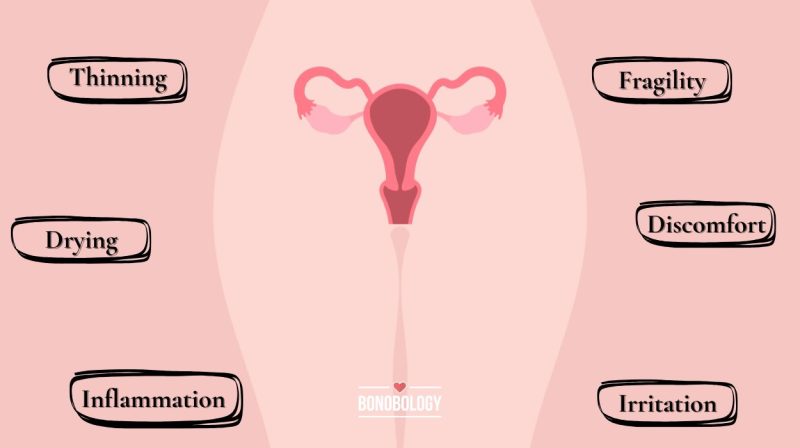
Let’s talk about sex after menopause. The end of your fertile years doesn’t have to mark the end of your sex life, but it certainly makes it different. The postmenopausal hormonal changes affect your sexual organs and response in several ways. For many women, the biggest physical change is vaginal dryness. The same estrogen drops that influence your skin also impact the vaginal tissues, making it thinner, less elastic, and less efficient at producing lubrication.
You might notice intercourse feels more dry or even painful, a condition sometimes called vaginal atrophy. Some women find that their clitoris and labia become a bit smaller and less sensitive than before, and pelvic floor tissues may weaken. All of these can influence sexual pleasure. Orgasms might also feel different. Perhaps less intense or harder to achieve.
“It can take much longer to achieve the arousal needed to orgasm, and often, orgasms may be hard to reach or become less intense,” notes Dr. Heather England, a clinical psychotherapist and sex therapist. These changes can understandably affect your desire: if your body isn’t reacting the way it used to or sex is uncomfortable, your libido might take a nosedive as a protective measure. After all, who wants something that hurts?

What can you do about it?
Yes, sex after menopause is different, and not always in a good way, but it’s not game over for your sex life at all. With some adjustments, many women continue to have satisfying, even better, sex after menopause. “Menopause can bring about a range of effects on sexual function. However, what’s crucial to understand is that sexual satisfaction plays a significant role in multiple aspects of our overall health. It is directly linked to life satisfaction, quality of life, marital happiness, and overall well-being,” says Dr. Catherine Hansen, MD, a menopause practitioner. It’s worth addressing these issues. And often, solutions are available.
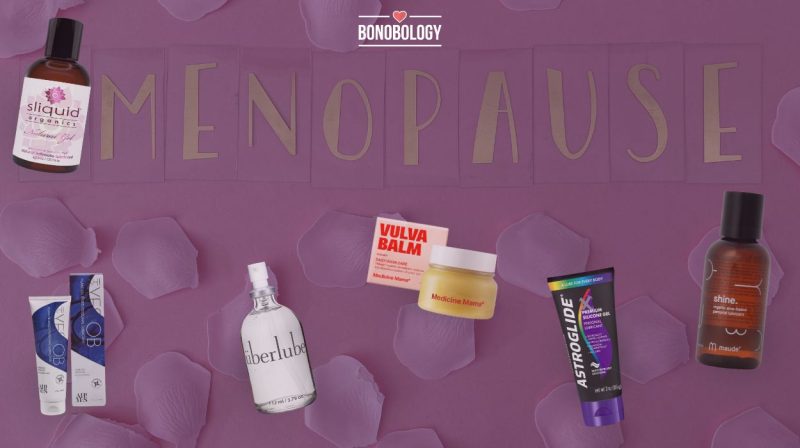
- For vaginal dryness, use over-the-counter lubricants during sex and vaginal moisturizers regularly, like lotion for your vagina. “Vaginal lubricants and moisturizers are first-line treatments for those experiencing painful sex due to menopause,” advises Dr. Sandy Mann, MD
- If dryness is severe, talk to your healthcare provider. Low-dose vaginal estrogen creams or tablets can rejuvenate vaginal tissues locally. There are also newer treatments like DHEA suppositories or laser therapy for vaginal tissue
- Low libido after menopause is often psychological. When sex becomes painful, your mind stops desiring it. The key to countering that can mean reimagining what sex looks like. Think quality over quantity, and exploration over routine. Maybe intercourse isn’t the main event every time. Perhaps you and your partner discover the joy of extended foreplay, oral sex, using hands or sex toys, or simply sensual massage and kissing. Intimacy can take many forms
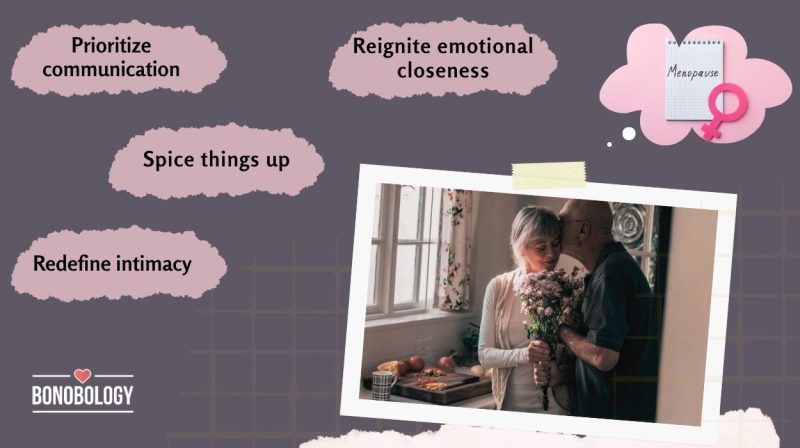
- Communication between partners is paramount. This is a new phase for both you and your partner, so talk about it openly. Share what feels good now and what doesn’t
- Above all, don’t accept a miserable sex life as your “new normal.” It might take a bit of effort, but many women find that on the other side of the menopause transition, intimacy can be deeply rewarding, sometimes better because it’s more about emotional connection and creativity than ticking a box
Related Reading: How Often Do 50-Year-Old Married Couples Make Love?
Impact on Mental Health
Physical changes are only half the story of your postmenopausal phase of life. This is as much a psychological journey as a physical one. The years after menopause can bring subtle and not-so-subtle shifts in mood, emotional health, and even how you see yourself. Let’s talk about what’s happening in that postmenopausal mind of yours, from mood swings to mental clarity to the big question of identity.
1. Mood swings, anxiety, and “menopause brain”
During perimenopause, many women ride a hormonal rollercoaster that can spike rates of depression and anxiety. In fact, research shows the risk of a major depressive episode can double during the menopausal transition. If you struggled with mood swings in those years, you might be relieved to know that postmenopause often brings a calming of the emotional seas.
Once your hormones settle at a new low steady state, those wild mood fluctuations usually ease up. That said, low estrogen isn’t exactly a happiness booster. Some women continue to experience milder mood issues, like the blues or irritability, even after the transition. And midlife often introduces new stressors, like aging parents, “empty nest” feelings, retirement or career pivots, health concerns, which can weigh on anyone’s mood.
It’s important to monitor how you’re feeling emotionally and seek support if needed. “More attention should be given to the mental health aspects of menopause,” says Dr. Laurie Green, MD, an OB/GYN, noting that too often, “women are suffering in silence.” So, don’t write off feelings of persistent sadness or anxiety as “just getting older”.

Some women also report “brain fog” or cognitive changes around menopause, forgetting why they walked into a room, trouble focusing, or a cloudy feeling. The reassuring news is that these menopause-related memory issues are usually temporary. “The good news is that women’s memory issues and fogginess often fade on their own over time,” says Dr. Nieca Goldberg, MD, a women’s health specialist.
In postmenopause, many women find their sharpness comes back once their body adjusts to the new normal. In the meantime, practical strategies like making lists, keeping a routine, and getting enough sleep can help clear the haze. If you’re struggling with sleep due to night sweats or insomnia, addressing those will likely improve your daytime focus too.
Related Reading: 17 Signs A Woman Has Not Made Love For A Long Time
2. Identity and self-worth in the postmenopausal years
Perhaps one of the most profound shifts after menopause is a psychological one: grappling with who you are in this new stage of life. For decades, many women’s identities have been intertwined with roles like being a fertile woman, a mother, and a caregiver. Menopause can feel like an abrupt end to the chapter in which society defined you by youth and reproduction. Author Darcey Steinke described it poignantly: “In the patriarchal world, women are most valued for their sexuality and their motherhood. Once menopause comes, there’s a feeling of shame that comes for a lot of women.”
It’s completely normal to experience a sense of loss or confusion about your identity after menopause. “Women don’t know who they are anymore,” observes Dr. Sheryl Spitzer-Resnick, MD, a physician who specializes in menopausal management. That loss of your familiar self can be unsettling. You might miss the vibrant, energetic person you were, or even the busy mom or career woman you used to be, especially if your life circumstances are also shifting around this time.
However, here’s the flip side: menopause, ironically, can be an opportunity for rebirth. Yes, it marks an ending, but it’s also the beginning of a stage often called “second spring” in some cultures. Without the hormonal cycles dominating your body, many women report a sense of freedom and a clarity they haven’t felt since adolescence. The cessation of periods, PMS, and pregnancy concerns can be a relief and can open up mental space to focus on you. You’ve spent decades taking care of others and meeting cycles and schedules; now is a chance to ask, “What do I want?”
Many postmenopausal women find new hobbies, careers, or missions that give them renewed purpose. Whether it’s traveling, volunteering, starting a small business, or diving into a creative art, you may discover you have the boldness and wisdom now to do things you wouldn’t have dared in your younger years.
Of course, it’s not all rainbows and sunshine. Changes in your appearance or abilities can dent your self-esteem at times. Society’s obsession with youth certainly doesn’t help; it’s easy to feel like you’ve been sidelined. Combat these feelings by surrounding yourself with positive role models, fabulous women thriving in their 50s, 60s, and beyond, and by practicing self-compassion.
If feelings of depression, anxiety, or loss of identity are overwhelming you, please consider reaching out for help. Therapists, especially those who focus on women’s midlife issues, can provide a safe space to work through these emotions. Sometimes, even a few sessions or a support group can remind you that you’re not alone and that what you’re feeling is valid.
3. Postmenopausal positivity: The upside of this stage
Your mental health and emotional state after menopause isn’t riddled only with challenges. There are genuine upsides many women experience mentally after menopause. For one, many women report feeling more confident and less concerned with others’ opinions than they did in their younger years. That notorious people-pleasing or self-doubting voice can quiet down. You might find yourself speaking up more, or finally wearing what you want, or pursuing long-held dreams.
Postmenopausal women often develop a “take me as I am” attitude that is incredibly empowering. Your priorities may sharpen. You know life is finite, so you focus on what truly makes you happy. This clarity can lead to very positive life changes, whether it’s strengthening certain friendships, leaving toxic situations, or finding joy in new endeavors.
Postmenopausal Relationship Shifts With Your Partner
Menopause doesn’t just happen to you alone. Its ripples can be left in your most intimate relationships, especially the one you share with your partner. With your body and moods changing, your partnership might need to adjust in areas like communication, intimacy, and mutual understanding. The key is tackling these changes together rather than letting them become a wedge. Let’s explore how menopause can affect your relationship and what you and your significant other can do to keep or rekindle the harmony and spark between you.
1. Intimacy: Navigating a new normal
Sex after menopause, as we’ve already discussed, requires some adaptation in the bedroom. It’s not uncommon for sex to hit a rough patch during the menopause transition. As a woman shared on Reddit, “I’ve always suffered from PMS, but this was something else! My poor husband. Nothing was right, I complained and nitpicked at everything, couldn’t sleep as my mind was racing about everything bad that had, and could possibly happen in my life, and this was probably for 3 weeks out of the 4. This was the worst thing for me.”
The first step is understanding that shifts in sexual intimacy are normal. It’s not that you or your partner are doing something “wrong”; it’s just that your body has changed. You can navigate it a whole lot better if you approach it as a team problem to solve, not a personal failure. You might be surprised by the empathy with which your partner responds.
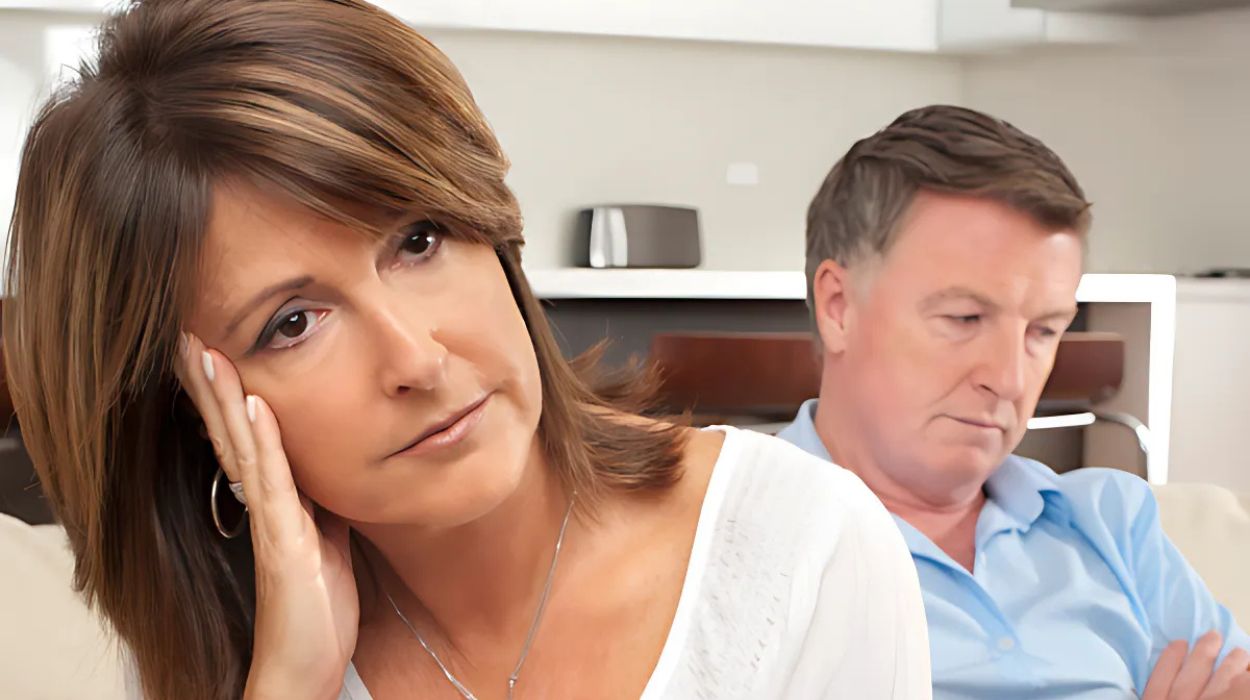
Open communication is crucial here. It might feel awkward to talk about body changes or decreased desire, but having an honest conversation can relieve a lot of tension. Explain to your partner how menopause is affecting you. This can help counter any feelings of sexual rejection your partner may be grappling with. At the same time, encourage them to share their feelings. They might be dealing with their own midlife changes—yes, men have hormonal changes too, sometimes called andropause, which can affect mood and libido.
- When it comes to sexual intimacy, be open to trying new things
- If intercourse is painful due to dryness, for example, spend more time on foreplay until you’re ready
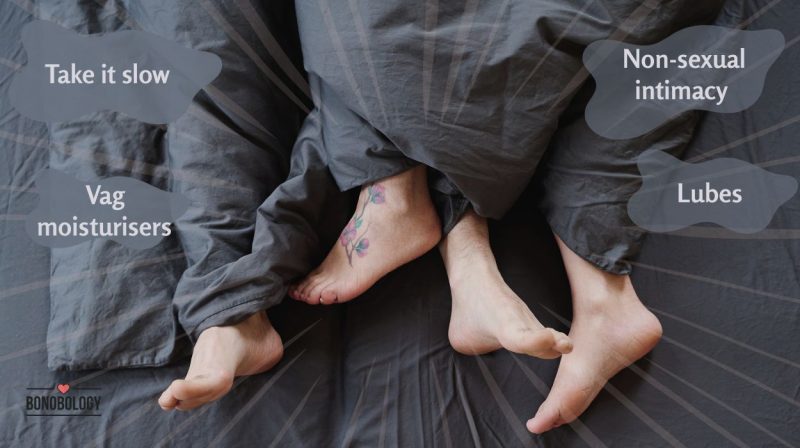
- Utilize pillows, lubricants, or positions that are more comfortable
- Don’t rush the process. Slowing down can make the experience richer for both of you.
- Plan intimacy for when you’re less tired
- Remember, intimacy doesn’t always have to mean intercourse
- Cuddling, massage, erotic reading together, or simply lying in each other’s arms naked can maintain a sexual connection on days when you don’t go “all the way.”
- Explore fantasies or use toys if you haven’t before. Sometimes, a little adventure can reignite arousal that’s gone dormant
- If libido is a big issue and it bothers you, consult a professional
Related Reading: The Dynamics And Importance Of Sex In A Relationship
2. Communication and emotional closeness
Menopause can also test the emotional dynamics of a relationship. Mood swings or irritability, especially during perimenopause, may have caused arguments or misunderstandings. You might have felt more sensitive or prone to conflict, which can be confusing for a partner who isn’t sure how to help. Now that you’re postmenopausal, hopefully some of that volatility has settled.
But you might be dealing with new emotions such as feeling down or questioning your purpose, which your partner might not fully “get.” This is where good communication becomes the lifeline of your relationship. Sometimes, men truly have no idea of the magnitude of changes their partners are going through, and this can widen the gap between them. Communication helps bridge it. Also, recognize that your partner may have fears or feelings about this stage, too. For instance, some men feel anxious about their own aging or miss the sexual frequency of earlier days, but they stay quiet for fear of pressuring you.
Creating a safe, non-judgmental space for both of you to express concerns is healthy. You might even find new ways to connect. For example, tackling a fitness routine together, since both of you benefit from exercise in midlife, or picking up a hobby to bond over now that maybe kids are grown. Rekindle friendship and fun in your relationship. The menopausal transition can actually bring couples closer as you face a life change side by side.
Key Pointers
- Weight gain is common after menopause due to slower metabolism and hormonal changes, especially around the belly
- Skin becomes drier and thinner, hair may thin or grow in new places, and bone density decreases, raising fracture risk
- Vaginal dryness and discomfort during sex are common but manageable with lubricants, estrogen therapy, and open communication
- Mood shifts and anxiety can persist post-menopause; seeking support can ease the emotional toll of this transition
- Brain fog and memory lapses may occur but usually improve with better routines, sleep, and mental stimulation
- With fewer obligations, many women rediscover themselves—this phase can be a powerful time of renewal and deeper intimacy
Final Thoughts
Postmenopause is often portrayed as a closing curtain on youth, but in reality, it can be a stage brimming with vitality, freedom, and self-assurance. Your body has changed, no doubt about that, but it’s still your body, carrying you through the world with the same spark of life as ever. In fact, this stage of life can usher in a new kind of confidence. You’ve accumulated a lifetime of experience and lessons, and now you get to live on your own terms without the noise of monthly hormones or the pressures of earlier decades.
Dr. Nieca Goldberg reminds us, “It’s a natural part of a woman’s life cycle. You can turn it into a positive by using this time to really take stock of your health.” All those goals you set aside while raising kids or climbing career ladders? Maybe now’s the time to dust them off. The relationships that truly nurture you, now is the time to invest in them. The ones that drain you, give yourself permission to cut them out. Think of postmenopause as your era of no more BS.
So, what comes after menopause? Whatever you choose. Yes, your body will continue to change, but it’s changing in service of carrying you into your next chapter. By understanding those changes, you’ve armed yourself with the tools to navigate them. Take your calcium, slather your moisturizer, grab that lubricant, do your downward dog or your morning walk… but also, don’t forget to enjoy the journey. You’ve earned this stage of life, and it can be full of growth, creativity, passion, and even some wild new adventures.
Your contribution does not constitute a charitable donation. It will allow Bonobology to continue bringing you new and up-to-date information in our pursuit of helping anyone in the world to learn how to do anything.




Featured
11 Best Supplements for Women’s Libido After Menopause
15 Spectacular Options For Lingerie For Older Women—Classy Yet Sexy
15 Best Lubricants For Menopause Dryness
How To Bring Back Intimacy In A Marriage After Menopause—9 Tips
Painful Sex After Menopause? Try These 9 Time-Tested Solutions
10 Best Vibrators for Women Over 50, Rated By Real Women
Menopause and Libido Loss: A Comprehensive Guide for Women
Vaginal Atrophy Menopause And Its Toll On Intimate Relationships
How To Increase Libido After Menopause—9 Easy Ways