

You’ve probably heard someone get called a “simp” online. Maybe in a meme, a tweet, or a comment section where someone’s getting roasted for “doing too much” for a crush. And that has got you wondering, “What is simping? And what is a simp?” The term has exploded in recent years, but the truth is, it’s been around a lot longer than TikTok or Reddit. And while the word gets thrown around loosely, it’s actually pointing to something real — a pattern of behaviour where someone pours too much of themselves into a person who isn’t giving the same energy back.
So let’s get one thing straight early on: being kind, romantic, or emotionally open doesn’t make you a simp. But when your self-worth starts to hinge on how someone else treats you and when you’re over-giving, over-apologizing, and constantly chasing approval, that’s when it’s time to pause and ask yourself what’s really going on.
If that sounds familiar, let’s help you in your journey of self-reflection by breaking down what is simping, what it looks like in relationships, and how you can tell if you’ve crossed that line. We’re not here to shame anyone. After all, we’ve all done things we’re not proud of. But understanding the signs can help you show up in relationships with more clarity, confidence, and self-respect. Whether you’re worried you’re simping, have been called one, or just want to avoid falling into that trap, this is your no-BS breakdown of where healthy love ends and unhealthy patterns begin.
Quick Glance: Simping means giving someone excessive attention, gifts, or validation without reciprocity, often at the cost of your own self-respect. Unlike romance, which is balanced and mutual, simping is one-sided devotion driven by insecurity or the need for approval.
What Is Simping?
Table of Contents
Put simply, “simping” refers to excessively submissive or overly eager behavior toward someone you’re romantically interested in, especially when the effort isn’t reciprocated. In internet lingo, a simp is typically someone, usually a guy, who does way too much for a person they like, saying or doing anything to please them in hopes of winning favor. The simp definition in modern dating slang is all about overextending yourself, showering someone with attention, gifts, and praise, while neglecting your own self-respect or personal boundaries.
The term simp actually comes from “simpleton” and has been around for ages, but it exploded in popularity around 2020 thanks to TikTok’s #SimpNation trend. Suddenly, everyone was curious about what does simp mean, sprouting out jokes and labeling even small romantic gestures as simping. For example, one viral compilation claimed you’re a simp if you answer a FaceTime call from a girl or lend her your hoodie when she’s cold, which, let’s be honest, are just normal nice guy behaviors! This surge in usage turned simping into a buzzword, often used in a derogatory way to poke fun at “nice guys.”

Like with much else, the internet went overboard with the label. That’s why it’s important to ask the question, what is simping in relationships? Essentially, it’s when one person fawns over or tries to impress another far too much, usually in an attempt to “buy” affection. Here are some tell-tale examples of simping behavior:
- Offering endless favors like doing someone’s homework or errands that they never requested
- Simpering and agreeing with everything the person says, afraid to voice any disagreement
- Constantly dropping compliments
- Sending money or expensive gifts to an online crush
- Rearranging your life to cater to someone who gives you little attention
- Texting and double-texting someone who barely replies
Relationship coach Dionne Reid warns, “Simping is not love; it’s losing sight of your own value in the pursuit of someone else’s affection.” You might ask, “Why do people simp if it often leads to unrequited feelings and heartbreak?” Often, it stems from low self-esteem or insecurity.
A person might believe they have to “earn” love by over-giving. Psychologists note that insecure individuals or those with little dating experience are more likely to slip into simping behavior. They might be infatuated with someone they view as out of their league and thus bend over backwards to please them.
In some cases, simping overlaps with people-pleasing or even codependent tendencies. An idealized fantasy can also drive simping. The simp imagines that grand gestures will eventually make the other person “see” their worth and reciprocate romantically. Unfortunately, reality often doesn’t work that way, and the simp’s favors are often unasked for and unwanted.
Related Reading: 8 Signs You’re Coming On Way Too Strong – Tips To Avoid
10 Signs You Are Simping
Now, the simping definition makes one thing amply clear: certain behaviors aren’t quite the actions of a hopeless romantic they’re made out to be. What’s more, it can be hard to know when you’re crossing that line, especially when you’re caught up in strong feelings for someone. This may leave you wondering about how to know if you’re simping or displaying healthy affection for someone. Well, the answer may lie in these top 10 signs you are simping:
1. You spend beyond your means to impress them
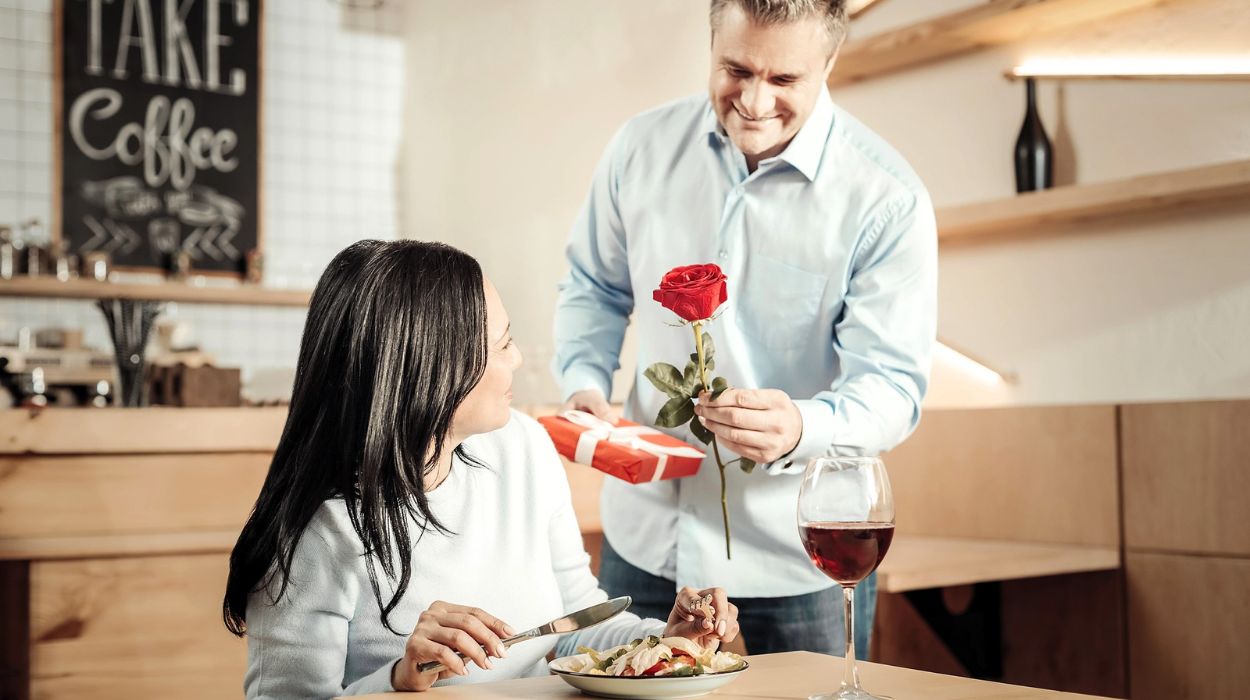
One of the classic examples of simping behavior is burning a hole in your wallet for the person you like. Do you find yourself paying for all their meals, buying expensive gifts, or splurging on concert tickets just to make them happy, even if you can’t really afford it? Going out of your way to finance their wants, or worse, their necessities, on the regular is a red flag.
Sure, treating someone special occasionally is romantic. But if you’re constantly shelling out cash or showering them with lavish presents in hopes they’ll return your affection, it’s likely simping. For example, a guy who empties his savings to buy his crush a new phone, when she barely even texts him back, is not being “sweet”, he’s stepping into desperate territory. Remember, love can’t be bought, and genuine connections don’t require going broke.
2. You constantly message them
Another one of the classic signs you are simping is an uncontrollable urge to text or DM the person nonstop, even when they give you minimal response. You send “Good morning!” every day, shower them with memes, compliments, updates about your life, and they reply when convenient, if at all. Yet you keep initiating.
You might double-text or triple-text if they don’t answer, anxiously check your phone every few minutes, and feel on edge until they respond. This kind of behavior often comes from an anxious need for their attention and validation. In healthy interactions, interactions are two-way and balanced. In simping mode, one person does all the chasing.
Research even links excessive phone-checking and messaging to higher anxiety in unreciprocated relationships. So, if you’re writing paragraph-long texts and getting one-word replies or no replies, take a step back. You shouldn’t have to beg for attention.
Related Reading: 7 Bad Dating Habits You Need To Break Right Now
3. You always drop your plans to accommodate them
Ask yourself: do you cancel on your friends or skip important obligations whenever that person beckons? If you routinely reshuffle your schedule, bail on prior commitments, or make yourself 100% available at a moment’s notice for someone, you’re simping hard. Occasional flexibility is fine, but constantly putting their schedule above your own life is not. Healthy relationships involve compromise on both sides, not one person always doing the accommodating. If your friends joke that you’d “jump if she says jump” or if you feel guilty taking even a day for yourself, it’s time for a reality check.
4. You do things for them that you wouldn’t do for anyone else
Are you going above and beyond for this person in ways that seem extreme or out of character? Perhaps you’re willing to drive four hours to bring them a snack, help them write a paper the night before it’s due while you have your own deadlines, or run errands and chores for them that normal friends wouldn’t expect. These are all warning signs.
Being super generous or helpful isn’t inherently bad, but simping often involves doing unreasonable favors in hopes of currying favor. Dionne says, “When it comes to being there for someone you have feelings for, the difference between simping and being romantic is that a simp’s favors are often unasked for. They put the other person in a place of obligation they never asked to be in.”
Related Reading: 21 Signs He Wants You To Notice Him REALLY BADLY
5. You have a hard time saying “no” to them
This sign is straightforward: absolute compliance. For example, they ask for a favor, you’re on it. They want to pick a restaurant, and you eat whatever they want. They behave in ways you’re not comfortable with, and you bite your tongue because you don’t want to upset them. If you’re constantly thinking, “I should speak up… but I don’t want to risk them getting annoyed or leaving,” that fear is running the show.
Dionne says, “When you prioritize someone’s presence over your own peace, you’ve lost touch with your own center.” A healthy relationship won’t crumble if you say, “Actually, I can’t do that”, once in a while. So if “yes” is practically the only word in your vocabulary around them, it’s time to reclaim your backbone. Constantly agreeing to things you don’t want is not healthy.

6. You put them on a pedestal and idealize them
Do you view this person as practically flawless? Simps often develop a rose-tinted obsession. The person they like can do no wrong, and in their eyes, this person is utterly special compared to anyone else. You might catch yourself defending them even when they treat you poorly, or rationalizing their bad behavior. You might think no one is as beautiful, smart, and funny as them and you feel amazingly lucky just to get scraps of their attention.
This idolization is a sign you’re not seeing them as a regular human anymore, but as an ideal or prize. It suggests you might be building a fantasy of who this person is or of a hoped-for relationship, ignoring reality. Putting someone on a pedestal also means downplaying their faults and overlooking red flags in a relationship.
Related Reading: 14 Types Of Guys Who Stay Single And Why They Do
7. You’re constantly seeking their approval and validation
Do you find that you’re always wondering, “Will this make them like me more?” Are you checking how they react to everything you do, from your outfit to your Instagram posts, hoping for a compliment or even a scrap of attention? When you do something kind for them, is it purely out of care, or because you’re hoping they’ll finally reciprocate your feelings? If you’re honest and the answer leans toward the latter, you’re stuck in the approval trap.
A simp’s self-esteem starts to hinge entirely on one person’s feedback. For instance, you might change your hobbies, habits, or even personality just to match what you think they want. This is a dangerous loss of authenticity. A Reddit user on r/dating_advice described it well: “A simp is a man who is disrespectful of himself. He thinks he has little to no innate value and believes he must take extraordinary measures to create value for the object of his affections.”
8. You ignore red flags in their behavior
Perhaps your friends point out that this person is stringing you along, using you, or maybe even blatantly disrespecting you but you make excuses for it. Deep down, you might notice red flags like,
- They only call when they need a favor
- They flirt with others in front of you
- They’re just plainly using you as an emotional prop while dating someone else
Yet, you choose to turn a blind eye because confronting the truth might mean losing them. This is one of the more serious signs of simping: tolerating bad behavior just to stay in someone’s orbit. You might tell yourself, “It’s fine, I’m okay with being just friends,” while hoping they’ll change their mind, meanwhile, they’re stepping all over your boundaries.
Dionne says, “Ignoring red flags only dims the light of your intuition. Listen to it. It’s always guiding you.” If your instincts or everyone who cares about you are waving red flags and you keep brushing them aside, you’re not being noble or patient. You’re being taken advantage of.
Related Reading: 15 Relationship Red Flags In A Man To Be Watchful Of
9. You become overly emotional or dramatic about them
Simping can turn your emotional dial up to 11 because you’ve invested so much in this person, every little interaction feels high-stakes. This might mean that your mood and state of mind depend entirely on how they treat you on a given day. For instance, if they reply to your message, it makes your day. But if they leave you on read, you’re spiraling into despair.
Maybe you get disproportionately upset, jealous, or anxious about small things, like them not liking your post or them joking with someone else. You might even create drama to get their attention, or have meltdowns when things don’t go as you hoped. This kind of emotional volatility is a sign that your world is revolving too much around their opinion.
10. You neglect your own needs, goals, or friends

Perhaps the biggest of all signs you are simping is that you’ve lost sight of “you.” In catering to someone else, simps often let their own life fall by the wayside. So ask yourself,
- Have you given up hobbies you used to love because all your time is devoted to them?
- Are your friendships fading because you’re always ditching your pals to be available for your crush?
- How about your personal goals, like academics, career, or health? Are those suffering?
Neglecting self-care and personal development is a serious consequence of simping. If you sacrifice all your needs and interests for another person, you’re not being selfless. You’re setting yourself up for unhappiness, and ironically, that level of sacrifice often isn’t even appreciated by the other person.
Related Reading: Are You A Standby Lover? 15 Signs You Are A Backup Boyfriend
Romance Vs. Simping: How The Two Differ
At first glance, simping can look like romance. After all, both involve showing affection, doing thoughtful things, and prioritizing another person’s happiness. But the key difference lies in motivation, balance, and reciprocity.
Healthy romance is grounded in self-respect and mutual appreciation. Both partners give and receive, compromise when needed, and express care in ways that feel natural rather than forced. Romantic gestures come from a place of confidence and reciprocity. Simping, on the other hand, is often rooted in insecurity or a fear of rejection. Instead of being mutual, it becomes one-sided chasing where one person consistently gives, over-accommodates, or sacrifices their boundaries in the hope of earning affection. Here are the key factors that set the two apart:
| Healthy Romance | Simping |
| Mutual effort and care: Both partners invest equally, making each other feel valued | One-sided effort and chasing: One person gives far more while the other barely invests |
| Acts of kindness come from confidence: Gestures are genuine, offered freely, and not tied to self-worth | Acts of service come from insecurity: Efforts are driven by fear of rejection or a need for approval |
| Respect for personal boundaries: Each person honors their own limits and those of their partner | Ignoring boundaries to please: Constantly saying “yes,” even when uncomfortable or overextended |
| Giving without expectation of return: Love is expressed as a choice, not a transaction | Giving to “earn” love or approval: Gestures are done with the hidden hope of winning affection |
| Creates respect and attraction: Balanced effort deepens connection and admiration | Leads to loss of respect or exploitation: Over-giving can make the giver seem desperate, unattractive, or easy to manipulate |
Related Reading: Why Men Don’t Take No For An Answer
Is Simping A Red Flag In Guys?
Bending over backwards for a girl, always agreeing, always paying, basically worshipping the ground she walks on. Is that a red flag? The answer isn’t black-and-white, but it leans toward “yes, it can be a red flag” if it crosses into true simping behavior. Here’s why:
- Self-respect is key: If a guy’s simping behavior indicates he doesn’t respect himself, it’s a warning sign for the relationship’s health. A partner who lacks self-respect may become clingy, resentful, or emotionally dependent
- Lack of reciprocity: Genuine romance is mutual, whereas true simping is one-sided and can signal incompatibility or potential exploitation. Blindly serving someone who does not reciprocate, even with a bare minimum, is a red flag of an unhealthy connection
- Difference between simping and being romantic: Kindness and romance are not red flags. The difference between simping and being romantic lies in motivation and balance. Dionne says, “Being a simp means doing things to show a woman you have value. Being romantic means doing things to show a woman she has value.” The former comes from a place of insecurity, the latter from a place of confidence and love
- A turn-off: Many women find extreme simping behavior unattractive or unsustainable. It can make them uncomfortable or even lead to a loss of respect for the guy. If a man never asserts himself, a partner might subconsciously start to take advantage or just lose interest. A healthy relationship requires two whole individuals, not one person propping up another’s ego constantly
- Potential for manipulation: Sadly, a guy who is eager to please anyone might attract partners who will manipulate or use him. In this case, vulnerability is a red flag that can lead a person into a toxic relationship
How To Stop Being A Simp — 9 Tips
Realizing that you’ve been simping can be a bit embarrassing or disheartening, but the good news is that you can change this pattern. It’s not a life sentence! Breaking out of simp behavior is essentially about building your self-respect, establishing healthy boundaries, and learning healthy ways to express affection that don’t involve self-sacrifice.
If you’re looking for advice on how to stop simping for someone, here are nine practical strategies. It starts with valuing yourself so that any love or kindness you give comes from a place of strength, not neediness. Let’s get into it:
1. Acknowledge the problem and its impact on you
The first step in how to not be a simp is recognition. Be honest with yourself about the ways simping has been affecting your life. Are you feeling burnt out, anxious, or taken for granted? Do you notice that you’ve lost some of your identity in the process of chasing someone’s approval? Take stock of the negative impact. Maybe you’re falling behind in personal goals, or your mental health has suffered from constant worry about pleasing this person.

It might hurt to admit, “I’ve been sacrificing my self-respect for someone who doesn’t reciprocate,” but doing so is empowering. Write down specific instances where you know you overextended yourself and how it made you feel. This acknowledgment is crucial because it turns that nebulous “something isn’t right” feeling into clarity about the core issue. By understanding that your behavior is part of the issue, you put the control back in your hands. It’s not that the other person is “mean” or “takes advantage”, it’s that you have been over-giving. And that you can change.
2. Set clear boundaries
To understand how to stop simping for someone, you first need to have a clear answer to the question, why do people simp? As we’ve talked about, it often boils down to,
- Low self-esteem
- Anxious attachment style
- Insecurities
- People-pleasing tendencies
- Codependency
Setting healthy boundaries is a time-tested way of protecting yourself from negative behaviors stemming from these underlying issues. So, it’s time to draw some lines. Decide what you will and won’t do for others, and stick to it. For example, you might set a rule that you won’t respond to non-urgent texts after a certain hour, or you won’t spend money beyond a fixed amount on gifts/dates unless the relationship is clearly mutual. It could also mean deciding not to tolerate disrespect: if they call only at 2 AM for a ride and you’re not okay with that, a boundary might be “No, I need more notice”.
Boundaries also involve time for yourself. For example, “Every Wednesday, I will spend time with friends/family, and I’m not going to cancel that anymore to see her at the last minute.” When you set these boundaries, communicate them calmly if needed. You don’t have to announce “I’m not simping anymore!” Simply assert your availability and limits: “I can’t talk right now, I’ll catch up with you tomorrow,” or “Sorry, I can’t afford to do that.”
If the person is used to you having zero boundaries, they might be surprised or even push back. Stay firm. Respect yourself enough to put up guardrails. A wonderful side effect is that people tend to respect you more when you respect yourself. And if someone doesn’t respect your boundaries? That’s a red flag on them, and you’re better off without that dynamic.
Related Reading: The 7 Types Of Boundaries In Relationships For A Stronger Bond
3. Re-focus on your own goals and interests
One of the best how to stop simping tips is to build a life that doesn’t revolve around the object of your affection. Think about the hobbies, passions, and dreams you may have sidelined. It’s time to bring those back to the forefront. Have you always loved art, sports, coding, music, but spent the last few months mostly staring at your phone waiting for a text? Dive back into those interests.
Set some personal goals that excite you and that have nothing to do with impressing someone. It could be hitting the gym regularly, learning a new skill, advancing your career, or planning a trip with friends. By focusing on your own growth, two great things happen:
- You become more confident and interesting—qualities that are attractive in healthy relationships
- You occupy your mind and time, leaving less room for overthinking about that person
Not only will this boost your self-esteem, but it will also shift the power dynamic back into balance. You’re no longer the person with nothing going on except devotion; you’re someone with purpose. That’s attractive and healthy.
4. Learn to say “no”
For chronic people-pleasers, “no” can feel like a four-letter word. But trust, it’s one of the most liberating words in the English language. Start in small ways if you must. If they ask for a favor that’s inconvenient, practice saying, “Sorry, I can’t this time.” If they try to guilt-trip you or push, hold your ground. You don’t owe anyone long-winded excuses. “No” is a complete sentence.
Initially, this might give you anxiety. You might worry, “Will they stop liking me if I say no?” But remember, if someone’s affection for you hinges solely on you never having boundaries or preferences, that affection is not worth having. Over time, it gets easier. And each time you stick to a “no” and the sky doesn’t fall, you’ll grow more confident. This is a major step out of the simp zone and into a more balanced you. Self-worth demands balance, and saying no creates that balance.
Related Reading: 21 Elements Of Developing Respect In A Relationship
5. Develop a healthier sense of self-respect
This tip on how to stop simping is a bit abstract but incredibly important: work on how you view yourself. If simping has been your pattern, chances are you’ve been putting others above yourself because deep down, you might feel they are above you. It’s time to challenge that narrative. You are every bit as important as the person you admire. Start treating yourself with the same kindness and concern you’ve been giving out. This might involve small actions like taking care of your appearance, eating well, exercising, not for someone else, but for you.
It also involves an internal dialogue. Pay attention to your self-talk. If you often think, “I’m not good enough for them” or “I have to do X or no one will love me,” catch those thoughts and question them. Why wouldn’t you be good enough? Everyone has flaws. That doesn’t make you undeserving of respect or love. Sometimes writing a list of your positive qualities and achievements can help remind you of your value.
You may also consider seeking support to build self-esteem, be it talking to a trusted friend, joining a support group, or even seeing a therapist. A mental health professional can help you unpack why you might tie your worth to others’ approval and how to rebuild your confidence from within. As you grow self-respect, you’ll notice you stop tolerating certain behaviors. It’ll become almost natural to think, “Hang on, I deserve better than being an option or an errand boy.”

6. Express your feelings and needs openly
One trap simps fall into is hiding their true feelings or needs out of fear of rocking the boat. Maybe you’ve been silently pining, doing all these nice things, but never honestly expressing what you want. It’s time to change that. Communication is key to any healthy relationship. If you have romantic feelings for someone who only sees you as a friend, rather than sticking around indefinitely hoping they’ll notice your devotion, consider calmly letting them know how you feel and be prepared to respect their answer, even if it’s not what you hoped.
If you’re in a relationship or dating and you’ve been biting your tongue about things that bother you, start voicing them. For example, “I feel upset when you cancel plans last minute,” or “I realize I’ve always agreed with you, but the truth is, I’d sometimes prefer we do something I like, too.” This doesn’t mean suddenly becoming confrontational or overly intense. You’re simply being honest.
This is an important part of learning how not to be a simp because simping often involves a lot of suppressed emotion and performing niceness in hopes of unspoken rewards. That’s a breeding ground for misunderstanding and resentment in a relationship. By speaking up, you ensure you’re not just a silent martyr. It might be scary because you risk rejection or conflict, but it’s healthier in the long run.
Related Reading: How To Love Yourself In A Relationship – 21 Practical Tips
7. Practice self-care and invest in other relationships
When you’ve been hyper-focused on one person, it’s easy to forget the rest of the world. If you want to stop simping, it’s time to change that up by broadening your support network and nurturing yourself. Make a conscious effort to spend time with friends and family who make you feel valued. Cultivating other meaningful relationships reminds you that your worth isn’t tied to that one individual.
It also provides emotional fulfillment, so you’re not solely reliant on romantic validation. Go out for that movie night with pals, call your siblings or cousins, hang out with people who share your interests. As you rebuild these connections, you’ll feel more grounded and less obsessed with that one person’s reactions. At the same time, double down on self-care routines. This can include,
- Setting aside 30 minutes a day to do something you truly enjoy—reading, gaming, walking, meditating
- Exercising not just to look good for someone, but to feel strong and confident in yourself
- Maintaining good sleep habits
- Pampering yourself with a grooming routine or new clothes that make you feel good
- Journaling your feelings
The more you take care of yourself and engage with a variety of people, the less you’ll find yourself yearning and simpering for the attention of one individual. As a bonus, a well-rounded life automatically makes you more attractive and less likely to tolerate nonsense. It’s much easier to say “no” or walk away when you have a fulfilling life to fall back on.

8. Take a break from dating if needed
If your simping behavior has been part of a pattern, it might be wise to hit the pause button on dating for a short period. Use this time-out to reset your approach to relationships. Focus entirely on yourself without the distraction of trying to win someone over. This doesn’t have to be a dramatic vow of celibacy or anything. It could just mean intentionally not pursuing anyone for a couple of months while you implement the changes we’ve discussed.
During this break, pay attention to what being on your own feels like. It might be uncomfortable at first if you’re used to deriving self-worth from someone else, but sit with it. You’ll likely discover you’re okay – even happy – on your own, once you get used to it. You’ll have time to reflect on what you really want in a partner when you do start again, and how you want to be treated.
9. Embrace mutuality and hold out for reciprocation
This tip comes into play as you implement the above and begin interacting romantically again or if you continue in your current relationship with improvements. Make mutual effort your new gold standard. This means you give and show care, but you expect the same in return. It’s not about being tit-for-tat petty but about an overall balance.
If you’ve historically accepted crumbs, now you wait for the whole cake or walk away. It might feel like you’re being “harsh,” but it’s actually fair. You deserve someone who texts you first sometimes, who asks you how your day was, who does kind things for you without you begging. When you start experiencing these mutual behaviors, you’ll wonder why you ever settled for less. Respectful, two-way affection is the antidote to simping.
FAQs
In dating, a simp is someone who over-invests time, money, or effort into another person without receiving equal interest or effort in return. It’s not just being nice — simping usually involves ignoring your own needs and boundaries to gain approval or affection. While kindness is healthy, simping becomes unhealthy when it’s done out of insecurity or fear of rejection rather than genuine connection.
Not necessarily. Small acts of care and thoughtfulness can be sweet when balanced with self-respect and mutuality. Simping becomes problematic when one person constantly gives without reciprocation, sacrifices their boundaries, or loses their sense of self. Healthy admiration makes both people feel valued. Simping often leaves one person drained and the other uncomfortable or disinterested. The key difference lies in balance and intention.
Yes, simping isn’t limited to men. Women can also over-prioritize someone they like, spend beyond their means, or tolerate disrespect in hopes of winning affection. Social media often portrays simping as a “male” behavior, but in reality, anyone can slip into it. Women may also over-invest emotionally or financially in partners who don’t reciprocate. The underlying cause is usually insecurity, people-pleasing tendencies, or anxious attachment styles.
Romantic gestures are mutual, thoughtful, and come from a place of confidence. Simping, on the other hand, is one-sided and comes from a place of insecurity. For example, surprising your partner with dinner plans is romance, but rearranging your entire life to cater to someone who barely acknowledges you is simping. The line is crossed when kindness turns into desperation or self-sacrifice without respect in return.
People often simp because of low self-esteem, lack of dating experience, or anxious attachment patterns. They may believe love must be “earned” through constant giving, gifts, or validation. In other cases, social media culture and memes encourage exaggerated behaviors that are mislabeled as romance. Recognizing these patterns helps individuals rebuild confidence and focus on balanced, respectful relationships where affection is mutual, not one-sided.
Key Pointers
- Simping is excessive, unreciprocated devotion that involves over-the-top efforts like gifts, praise, or constant availability to win someone’s affection, often at the cost of one’s own self-respect or boundaries
- While small gestures of care are normal in healthy relationships, simping is one-sided, driven by the need for validation, and often ignored or exploited by the other person
- Simping behavior may signal low self-worth, lack of boundaries, or emotional dependency, which can lead to being taken advantage of, manipulated, or ultimately unattractive to potential partners
- By setting boundaries, saying no, focusing on personal growth, and holding out for mutual effort, individuals can shift from self-sacrifice to self-respect, building healthier and more balanced relationships
Final Thoughts
Simping might seem like just a meme or a joke online, but it touches on real emotional patterns and pitfalls in relationships. If you’ve recognized some of these behaviors in yourself, don’t beat yourself up. Many of us, at one point or another, have gone a bit overboard in pursuit of love or approval. What’s important is what you do next. By understanding what simping is, spotting the signs early, and making conscious changes, you can steer yourself back toward healthier interactions.
Remember, there’s nothing wrong with being kind, generous, or deeply caring for someone. Those are wonderful qualities. It’s why and how you express them that matters. Love should uplift both people, not leave one worshipping at the feet of the other. Ultimately, life and love are about finding balance. You want to be able to give love freely, but also receive it. You want to care for others, but also care for yourself.
The goal isn’t to harden your heart or play power games; it’s to love without losing yourself. When you achieve that, you’ll wonder why you ever settled for anything less. So go ahead, be kind, be loving, be “real” with people. Just don’t forget to extend that kindness and love to the person who arguably needs it most: yourself.
Your contribution does not constitute a charitable donation. It will allow Bonobology to continue bringing you new and up-to-date information in our pursuit of helping anyone in the world to learn how to do anything.









Featured
Should You Kiss On The First Date? Expert Advice And Practical Tips
Second Date Kiss: Tips And Signals To Look For
How Mutual Respect Influences Relationship Satisfaction
Why Cross-Cultural Relationships Are Growing
Dating While Pregnant: Complete Guide to Healthy, Respectful Connections
Good Rizz Lines For A Girl: Best Flirty, Smooth And Funny Lines That Work
Introvert Dating: A Complete Guide (2026)
The Role of Trust in Relationships: How to Build and Maintain It
5 Communication Styles In Relationships: What They Mean & How To Use Them
21 Nuggets Of Relationship Advice For Women
Introvert Dating Introvert: A Complete Guide
Is He Shy Or Not Interested? 26 Ways To Tell The Difference
Gen Z Dating: Understanding and Navigating the Landscape
What Are Fun Dating Questions? 140 Playful, Flirty, and Deep Starters
Navigating Exclusivity In A Relationship: How To Do It Right
Do Girls Like Shy Guys? 7 Reasons They Do
101 Fun Date Night Questions To Laugh, Flirt, And Bond Over
161 Weird Questions To Ask Your Boyfriend And Get Him Talking
Why I Will Never Date A Widower Again -A Woman’s Story
How Long Should You Date Before Getting Engaged