

Falling in love can feel like magic—unpredictable, intense, and often beyond our control. But how long does it take to fall in love? Is it a matter of days, weeks, or months? The truth is, there’s no one-size-fits-all timeframe. Some people swear they knew within days, while for others, it can take months or even years to realize they’ve fallen in love with someone.
Love doesn’t happen on a strict schedule, but understanding the general patterns can be reassuring. Let’s explore the journey of falling in love—how long it takes to love someone, what it feels like, and what to do when it finally happens to you.
Quick Takeaway
Many adults start to feel and express romantic love within three to four months of steady dating. For some, it happens sooner, for others, it takes longer. Timing varies with your attachment style, emotional readiness, how often you see each other, and the quality of your interactions.
At a glance
- Initial attraction: Seconds to days
- Early romantic love: Roughly 3–4 months
- Deep, secure love: Many months to a couple of years
What Falling in Love Really Means
Table of Contents
When you say you are “falling,” you are usually moving through three related experiences. Limerence is the intense, intrusive focus on one person. You daydream, check your phone, and feel highs and lows. Passionate love adds strong desire and idealization with growing emotional closeness. Companionate love is the steadier phase that feels safe and warm, built on trust and shared life. Attraction is the spark that draws you in.
Infatuation is the rush that can fade without real knowledge of the person. Romantic love is where desire and deep attachment meet.
“Falling in love is the brain’s way of focusing all its energy on one person.”
— Dr. Helen Fisher
The science and psychology of falling in love
Falling in love is a biological and psychological process. Your brain releases dopamine, oxytocin, and serotonin that create desire, bonding, and focus, while your attachment style and emotional readiness shape how deeply and quickly you connect. Here is what science and psychology tell us about falling in love:
Neurochemistry of love
Your brain tags this person as highly important. Dopamine boosts motivation and craving to see them again. Oxytocin and, in some contexts, vasopressin support bonding and comfort during closeness. Serotonin levels can shift in early stages, which maps to repetitive thinking. Cortisol often rises during the uncertain phase, which is why you may feel keyed up or sleep lightly.
Evolutionary perspective
Pair bonding helped humans raise slow-to-mature children and coordinate resources. A fast “lock on” system gets two people to invest in each other. Over time, the chemistry softens, and the attachment systems keep you connected through cooperation, caregiving, and shared goals.
Psychological factors
Your attachment style sets your pace. Secure people open and repair more easily. Anxious types may feel strong highs and fear of loss. Avoidant patterns slow the move toward closeness. Self-esteem and emotional availability matter; if you feel worthy and ready, love tends to unfold faster. Trauma history can make you cautious, which is protective, and it often means you need more consistent signals before you relax into love.
Is There A Timeframe For Falling In Love?
Is there a timeframe for falling in love? Humans love to quantify things, but emotions aren’t so easily measured. People often ask questions like “how long does it take a man to fall in love?” or “how long does it take women to fall in love?”, as if gender sets a ticking clock. In reality, studies and experts suggest there’s a broad range and plenty of exceptions. Let’s break it down by gender and feelings, to see what research and experience reveal.
How long does it take a man to fall in love?

It’s a common belief that women are quicker to catch feelings, but research flips the script. Men not only fall in love, but they often fall faster. One large study found men take an average of about 108 days, which is roughly 3.5 months, to say “I love you,” whereas women take around 123 days or about 4 months. In an earlier study of college students, men even reported thinking about confessing their feelings in just 97 days, while women mulled it over for about 149 days. In other words, guys were ready nearly two months sooner on average.
Why might this be? Some psychologists suggest men feel love and express it sooner because they might be less cautious about analyzing the relationship. Men might also be socialized to take the lead in saying I love you. “There is no absolute rule,” clinical psychologist Dr. Lauren Kerwin notes, “Falling in love can happen instantaneously or take weeks, months, or years! It happens differently for everybody.” That said, surveys show a good chunk of men are quick on the trigger. A YouGov and eHarmony poll found 39% of men say “I love you” within a month of dating someone, compared to 23% of women.
Real-life stories back this up. One Reddit user confessed it was “almost instant for me, but it took her quite a while”, noting his girlfriend “refused to say the word ‘love’ until at least six months into the relationship.” Another user chimed in, “We had been officially dating for like a month, seeing each other for 2. I was falling hard and fast, but refused to say it first. I was teasing him about something, he dropped the L word, and the only thing my brain could come up with was, “REALLY?”
Clearly, men can feel and declare love swiftly, sometimes surprising their partners. However, falling fast isn’t a guarantee of lasting love.
Related Reading: 9 Dangers Of Falling In Love Too Fast And How To Stop
How long does it take women to fall in love?
For women, falling in love is often described as a more gradual process on average. The studies cited above clearly show women typically take a few weeks longer than men to say those three big words. That doesn’t mean women don’t feel love deeply. It might suggest they exercise a bit more caution or want to be sure it’s really love. So while a woman could fall hard in a fortnight, it’s also normal if she’s still figuring out her feelings after several months.
A cautious majority coexists with a bold minority! Women may sometimes hold back even when they do feel love, perhaps to not rush the relationship or because they’re gauging their partner’s readiness. As a Reddit user says, “Around 6 months to REALLY feel it, but I was falling, so said it around 5.” And when it comes to saying it out loud, some wait for the guy to go first or for a sure sign. As one boyfriend lamented on Reddit: “I said to my gf I loved her after 3 months… now it’s 6 months, she still didn’t say she loves me.” It’s possible she does love him back, but isn’t ready to verbalize it. Psychologists say that past traumas or attachment styles can make someone slower to express love verbally.
Crucially, women falling in love often report a growing sense of emotional intimacy over time. Instead of a lightning bolt, it might be a slow burn that grows strangers over time. Women, and many men, too, view love as more than a burst of passion. It’s tied up with feeling secure, understood, and truly seen by their partner over time.
Related Reading: 12 Signs Of Infatuation You Mistake For Love – Again And Again
What does falling in love feel like?
Whether it hits you fast or slow, falling in love feels unlike anything else. It’s often a cocktail of giddy excitement, nervous energy, deep affection, and even a dash of obsession. In the early stages, you might notice some classic signs of love. For one, that person is always on your mind. Psychologists Lucy Brown and Helen Fisher, who study love’s neurochemistry, found that people in early-stage love can spend up to 85–100% of their time thinking about their beloved. You might replay conversations, daydream about them, and catch yourself checking your phone constantly in hopes of a text. It’s a euphoric distraction that can make it hard to focus on much else.
Physically, falling in love often comes with the famous “butterflies in the stomach.” Your heart races, you might get sweaty palms, or feel a bit shaky when you anticipate seeing them. Therapist Lauren Kerwin explains, “This early rush is partly due to a chemical high. In new love, your brain is flooded with feel-good neurochemicals like dopamine, oxytocin, and serotonin.” This “new relationship energy” can make you feel energized and elated.
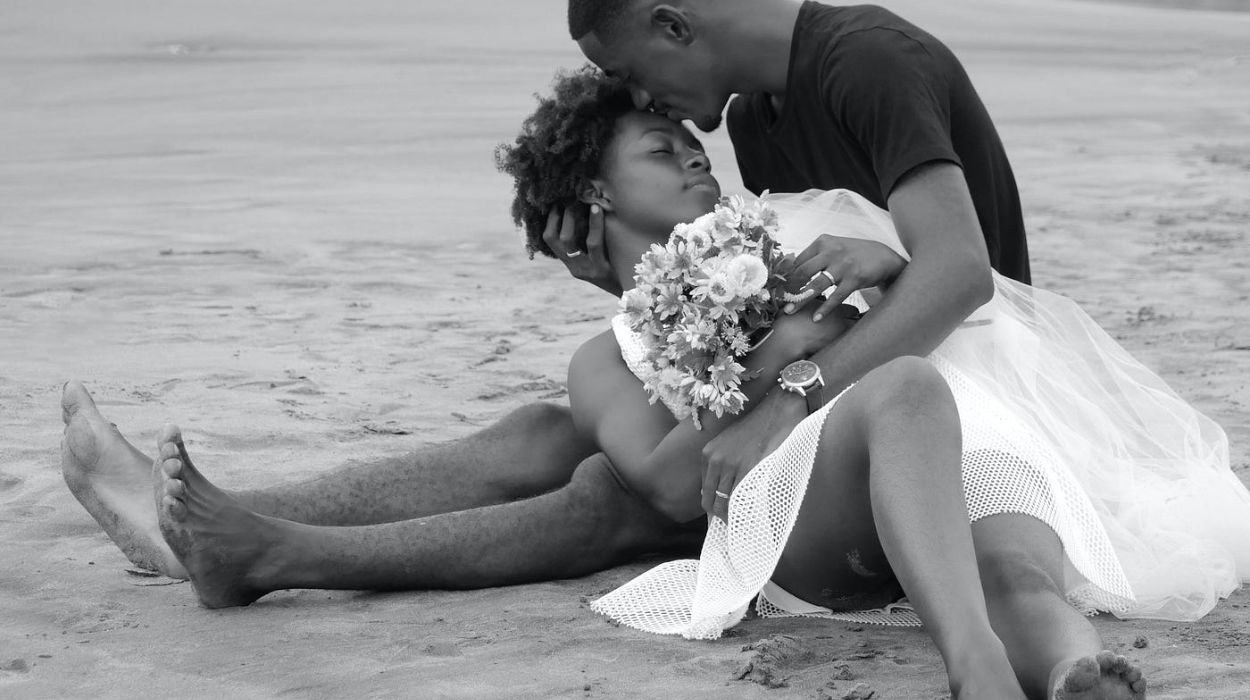
Emotionally, falling in love can swing between pure joy and anxiety. On one hand, you feel intense happiness and optimism when things are going well. Every text or smile from them can light you up. On the other hand, there’s often fear and vulnerability. A worry they might not feel the same, or that this bliss could slip away. Psychologists call this phase the “crystallization” stage, where you start seeing the person more realistically, flaws and all, but you tend to gloss over the negatives. You crave reciprocation intensely, reading into every little signal with hope or dread. Tiny ups and downs, like a slightly delayed reply, an offhand comment, can send you soaring or plummeting emotionally. It’s a bit of a rollercoaster, albeit one most people remember fondly.
Amid the excitement, many people also describe a sense of deep comfort and rightness. Falling in love isn’t all jittery energy. There are moments of calm closeness where you feel you truly connect. For example, a Reddit user says one person knew she was in love “when I fell asleep in his arms and I immediately felt warm and fuzzy and at home.” That secure, at-home feeling is love’s companion to the thrill.
Over time, as love deepens, the anxiety typically eases and the bond starts feeling more secure and stable. But in the falling stage, expect a mix of heart-fluttering excitement, nervous uncertainty, physical adrenaline, and moments of blissful contentment. If it sounds a little chaotic, well, it is! And that’s perfectly normal.
Related Reading: Love Takes It’s Time To Develop And Grow
7 Stages Of Falling In Love
Researchers have found that falling in love tends to follow a predictable progression – a series of stages your brain and heart go through on the way to deep attachment. In fact, neuroscientist Dr. Lucy Brown and anthropologist Dr. Helen Fisher outline 7 stages of falling in love that many people experience. These stages capture the emotional journey from the first spark all the way to the point where love either solidifies or fizzles out. Understanding these stages can reassure you that what you’re feeling, however crazy it seems, is all part of love’s normal madness. Here are the seven stages, according to Brown and Fisher, and what each one looks like:
1. Inception
This is the lightbulb moment when someone special suddenly takes on new meaning in your life. It might be a person you just met or a long-time friend you see in a new light. You find yourself highly focused on them. In psychology, this heightened focus is called salience. In this stage, you might catch yourself thinking, “Hmm, when did they become so important to me?” Congrats, you’ve begun falling in love.
2. Intrusive thinking

Soon, thoughts of this person start popping up uninvited at all hours. You replay your conversations, daydream about future scenarios, and wonder constantly what they’re up to. Initially, these thoughts come occasionally; before long, they become almost obsessive. If you’ve noticed you’ve become happily distracted all day, you’re squarely in stage 2 of falling in love.
Related Reading: 30 ½ Facts About Love That You Can Never Ever Ignore
3. Crystallization
Rather than seeing your crush through pure rose-colored glasses, you begin to form a clearer picture of who they really are. You realize that falling in love isn’t about idealizing a “perfect” image, it’s about crystallizing a realistic image of the person, quirks and all. At this stage, you start to notice their flaws and imperfections, but you might actually find them endearing or at least easy to overlook. They transform from a fantasy into a real, whole human in your mind, yet you’re still totally into them.
4. Craving, hope, and uncertainty
Now you know you truly love this person, and you desperately desire a real relationship with them. This stage is an emotional whirlwind. You feel intense yearning for them to feel the same way, so every interaction is charged with meaning. A kind word or a good date sends you over the moon with hope, while any sign of hesitation can plunge you into doubt. You might experience pangs of separation anxiety when you’re apart and find yourself willing to overcome any obstacle to win them over. It’s a hopeful yet anxiety-ridden stage where your heart is on the line.
5. Hypomania

Being in love can make you feel a bit “crazy”, and that’s literally true in stage 5. You experience a mild form of mania, meaning you’re buzzing with energy and excitement. You might notice you’re sleeping less, or forgetting to eat, running purely on the adrenaline of love. This rush can also show up in nervous reactions. You might blush, tremble, stumble over your words, or feel your heart pounding when you’re with them. You’re basically high on love. It’s a wonderful feeling, but it does a number on your nerves.
Related Reading: 30 ½ Facts About Love That You Can Never Ever Ignore
6. Jealousy and intense motivation
At this stage, your attachment is strong enough that the thought of anyone else vying for your beloved makes your protective streak kick in. You might feel flashes of irrational jealousy. This is also where you’re extremely motivated to secure their love and commitment. You’re likely defining the relationship, making big romantic gestures, or doing whatever it takes to show “I’m all in and I want you to be, too.” The intensity can bring out some insecurity, as the fear of rejection can be strong here, but it also propels you to fight for the relationship you deeply want.
7. Helplessness
Eventually, after all the emotional rollercoasters, you reach a point of surrender. If your love is requited and things go well, this might be when you finally feel secure. You have each other. Alternatively, if you’ve been in suspense, this is often the stage where you emotionally throw up your hands. You might think, “Whatever will be, will be. I’ve done all I can.” There’s a sense of helplessness as the fiery obsessiveness starts to cool down.
Pragmatism and logic gently re-enter the scene. You’re still in love, but you’re no longer in that frantic win-them-over mode. If the relationship is working out, this transition leads to a steady, growing love. If not, you might find some peace in accepting that it wasn’t meant to be.
Not everyone will experience these stages in a tidy order. Love is messy, remember? But many of these feelings will resonate if you reflect on your own experiences. Knowing exactly what you’re going through and why can be comforting when you’re up at 3 AM obsessing over someone or feeling those jealous twinges. Each stage is a step on the path to genuine, lasting love, or sometimes, to the realization that it wasn’t meant to be. Either way, it’s one heck of a journey.
Related Reading: 13 Surprisingly Simple Ways To Make Someone Fall In Love With You
How Long Does It Take to Fall In Love At First Sight?
Ah, the extremely controversial and paradoxical notion of love at first sight. So, can you fall in love at first sight, and if so, how long does it take to fall in love at first sight? The notion of locking eyes with a stranger and instantly knowing “they’re the one” is the stuff of countless movies and novels. In reality, love at first sight is both widely reported and hotly debated.
Firstly, people definitely believe in love at first sight. In a 2017 survey, 72% of men and 61% of women said they believed in love at first sight. And about one-third of Americans claim they’ve experienced it personally. So if you ask around, you’ll hear plenty of meet-cute stories. “I saw her across the room and just knew.” “The moment we shook hands, I was a goner.”
Responding to the question of how long did it take you to fall in love, a Reddit user said that they fell for their partner almost instantly, knowing within “2 seconds” of meeting. But is it truly love?
Scientists suggest that what happens at first sight is more accurately infatuation or physical attraction. Neuropsychology research shows we decide very quickly, sometimes within seconds, whether we’re romantically interested in someone. In fact, the chemical spark can fire almost immediately. One study found it takes only about one-fifth of a second for the brain to start releasing the hormones associated with love when you see someone attractive. So, the rush you feel in that first encounter is genuine. Your heart might skip a beat, you might feel a jolt of “Wow.”

However, what’s missing at first sight are the deeper components of love: emotional intimacy and commitment. A 2017 scientific study had strangers meet and reported that while instant attraction was common and a few people even labeled it “love at first sight”, those folks did not report real intimacy or lasting passion yet. The overwhelming factor in those instant connections was physical appeal.
Psychologist Dr. Lauren Fogel Mersy explains, “Romantic love usually doesn’t occur at literal first sight. There can be a strong attraction at first sight, but romantic love for someone requires knowing who they are, the fullness of their character.”
So if you’re asking how long it takes to fall in love at first sight, the cheeky answer is “zero time at all” because in theory it’s instantaneous. But the more practical answer: that initial feeling isn’t fully-formed love yet. It’s the spark that could lead to love. Many of those who believe they fell in love on day one will, upon reflection, tell you the real love developed as they learned more about the person. The first sight gave them a gut feeling, a strong conviction that “this could be something special.” And in some cases, that gut feeling proves right as the relationship deepens.
Tips For Moving Forward When You Know You’re In Love With Someone
So you’ve fallen head over heels. Now what? Realizing you’re deeply in love with someone can be exhilarating but also a little scary. You might be asking yourself: What should I do when I know I’m in love? Should you blurt it out? Play it cool? Build a grand romantic gesture? This stage is all about navigating those powerful feelings in a healthy, hopeful way. Whether you suspect the feeling is mutual or you’re still waiting for a sign, here are some tips for moving forward once you know you’re in love with someone.
1. Don’t deny how you feel
First off, acknowledge your feelings to yourself. It’s normal if part of you wants to dismiss or downplay being in love, maybe to protect yourself from potential hurt or to avoid rocking the boat. But honesty, at least with yourself, is the best policy here. “Just because you notice these feelings does not mean you need to act on them, but it is important to acknowledge internally that the feelings are there,” advises psychotherapist Madison McCullough.
So give yourself permission to say, “Yep, I’m in love.” You don’t have to announce it to the world just yet, but don’t pretend it’s “no big deal” either. Privately journaling or confiding in a close friend can help you process the emotions. Recognizing that your feelings are real and valid is the first step toward figuring out what to do next. It also helps you approach the situation with a clear head and heart, rather than in denial.
Related Reading: How To Manifest Love Using The Law Of Attraction
2. Look for signs they feel the same
Before you take the plunge and declare your love, it’s wise to gauge the other person’s feelings if you can. Do they seem to light up when they’re with you? Are they investing time and effort in you? In many cases, love is a two-way street, but people express it differently. Pay attention to their words and actions. Someone who’s falling for you might not say “I love you” outright, but they’ll give off signs such as wanting to spend lots of time together, showing care for your well-being, maybe a bit of affectionate teasing or flirtation.

Try to be objective in observing their behavior. It’s easy to see what we want to see when in love, so sometimes, it helps to take a step back. For example, do they ask you personal questions and remember little details about you? If so, that’s a great sign. But if they keep things casual and seem fine going days without contact, the feelings may be one-sided. Friends can also offer perspective at this time. A friend saying, “Oh, he’s totally into you!”, when you’re too anxious to trust it, can offer all the reassurance you need.
Related Reading: 25 Ways To Show Someone You Care And Express Your Love
3. Choose the right moment to say “I love you”
Blurting out “I love you!” in the middle of a Netflix binge or as an answer to “Do we have milk in the fridge?”, is not ideal. When confessing your love, timing and context matter. There’s no perfect script for how to know how long does it take to know you love someone enough to say it, but there are some guidelines. Aim for a moment when you’re both relaxed, present, and not distracted or stressed. A quiet conversation after a nice date, cuddling on the couch on a Sunday morning, or any private moment where you feel a connection are some sweet spots to consider.
Psychologist Dr. David Helfand says, “Saying “I love you” is emotionally risky and makes us feel vulnerable, so it’s natural to have some nerves.” Remind yourself that expressing love is a beautiful thing, regardless of the immediate outcome. You’re giving a compliment of the highest order. You must do it because you want to share your truth, not because you expect a specific response that instant.

4. Be prepared for any response
When you reveal your heart, the dream scenario is hearing “I love you too” echoed right back. But life isn’t a scripted rom-com, and there’s a chance your person isn’t ready to say it yet or might respond in an unexpected way. Prepare yourself for any outcome, good or bad, with an attitude of understanding. If they light up and say it back, fantastic! You’ll both be on cloud nine.
If there’s a pause or they say they need more time, don’t panic. They might genuinely feel affection for you, but be slower to use the L-word. It’s not easy to deal with saying “I love you” and not hearing it back. In that moment, remain calm and kind. Getting upset or pressuring them is likely to backfire. Instead, you could respond with something like, “That’s okay, I just wanted to share how I feel. I don’t expect you to say anything you’re not ready for.” This shows maturity and respect for their feelings.
5. Nurture the love and build a harmonious relationship
If you both know you’re in love, congrats, this is one of the most beautiful feelings in the world! Now the real deal begins: nurturing your relationship so that love grows deeper. Being in love is wonderful, but staying in love and building a healthy partnership takes effort. Make sure to spend quality time together, sharing experiences and really learning about each other’s inner worlds.
Relationship experts say that forming a strong friendship underneath the romance is key to lasting love. So keep having those long talks, silly adventures, and heartfelt moments. Try new things as a couple, whether it’s traveling, cooking a new recipe, or even taking a class together. Novel experiences keep the spark alive and help you bond through memories.
Don’t forget the importance of communication. Continue being open about your feelings and listening to theirs. Love can make us feel like we magically understand each other, but even soulmates need to talk and occasionally negotiate differences. By working on communication skills, you’ll navigate conflicts or misunderstandings much more smoothly.
Also, remember to maintain balance in your life. It’s easy to get happily lost in a new love and neglect friends, hobbies, or alone time. But keeping your individual life rich actually makes you a better partner and prevents the relationship from becoming co-dependent or stifling.
FAQs
You can feel a powerful surge in a week. That rush often comes from novelty, dopamine, and the stories you tell yourself. Real love asks for some shared reality: imperfect moments, small repairs, and a sense that you can count on each other. If it feels fast, enjoy it and keep observing. Give the bond time to meet everyday life before you label it.
What people call love at first sight is usually instant attraction with a strong conviction that this could be special. Your brain can light up in seconds, so the feeling is real. Love in the full sense includes intimacy and commitment, which grow as you learn who the person is. If you felt it on day one, let time do its work and see whether closeness and trust follow.
Surveys often find men say “I love you” earlier on average, though the gap is small and the range is wide. Social roles, comfort with vulnerability, and prior relationship history influence pacing more than gender alone. What matters to you is less the average and more whether your timing feels authentic and respectful of the other person’s pace.
You can form a deep attachment through sustained, open conversation, especially if you share values and daily life details. Video calls add warmth and nonverbal cues. Still, physical presence reveals rhythms you cannot see through a screen. If you feel strongly online, plan real-world time when possible, and check whether the bond feels the same with everyday logistics.
Early intensity often settles within a year or two as your nervous system stops treating the relationship as uncertain. The next phase is steadier and can be richer if you keep curiosity alive. Lasting love comes from habits: honest talk, fair conflict, shared projects, and repair after misses. There is no finish line. You keep choosing each other, and that choice builds life.
Key Pointers
- Men tend to fall in love faster than women, with studies showing they often say “I love you” sooner, sometimes within the first month
- Women may take longer to fall and express love, often wanting more emotional intimacy and security before declaring their feelings
- Falling in love includes a range of emotions, from euphoric highs and obsessive thoughts to vulnerability and intense hope
- The seven stages of love, from initial spark to full surrender, help explain the emotional rollercoaster people experience while falling in love
Final Thoughts
Finally, take a moment to savor the feeling. Being in love is special, especially in the early days when everything feels luminous. If you believe in fate or soulmates, it might feel like it was meant to be. And if you’re more practical, it might feel like an amazing connection you weren’t sure you’d ever find. Either way, nurture it.
Moving forward in love is both exciting and challenging, but you’ve got this. Whether it took you 2 weeks or 2 years to fall in love, every love story moves at its own pace. As long as you approach it with authenticity, courage, and care, you’re doing right by your heart. Enjoy the journey, without worrying too much about questions like how long does it take to fall in love or how long does it take to know you love someone.
Can You Fall In Love With Someone Online Without Meeting Them?
Is Love Real? 10 Facts To Know If It’s Your True Love Or Not
Your contribution does not constitute a charitable donation. It will allow Bonobology to continue bringing you new and up-to-date information in our pursuit of helping anyone in the world to learn how to do anything.












Featured
777 Angel Number Meaning In Love: What It Means for You
How to Romance a Man: 24 Ways to Deepen Your Love
Third Date: Guide, Rules, And What To Expect
The Little Habits That Keep Love Strong Over Time
Big Spoon And Little Spoon Cuddling: Meaning, Benefits And How To Do It
Beyond Flowers And Dinner: 5 Heartfelt Ways To Celebrate Your Anniversary
Ways To Show Affection: Practical Tips, Examples, And Expert Advice
Unconditional Love Symbol: Meaning, Origins, and Popular Representations
How To Flirt Over Text: Tips, Examples, And Psychology Behind It
120 Flirty Good Morning Texts For Him
Intimacy Therapy At Home: 15 Marriage Intimacy Exercises
How To Build Trust In A Relationship: Effective Strategies For A Lasting Bond
How To Find Your Love Language: Discover What Makes You Feel Loved
Love Songs For Him: The Ultimate Guide To Expressing Your Heart
What Do Guys Like To Be Called By Their Partners? These 20 Names
25 Signs A Guy Is Attracted To You, According To Dating Experts
What Is A Real Relationship? 13 Defining Characteristics
130 Beautiful Things to Say About Your Wife
101 Silly Questions To Ask Your Partner For Fun, Laughter, And Bonding
200 Heart Touching Love Messages For Her